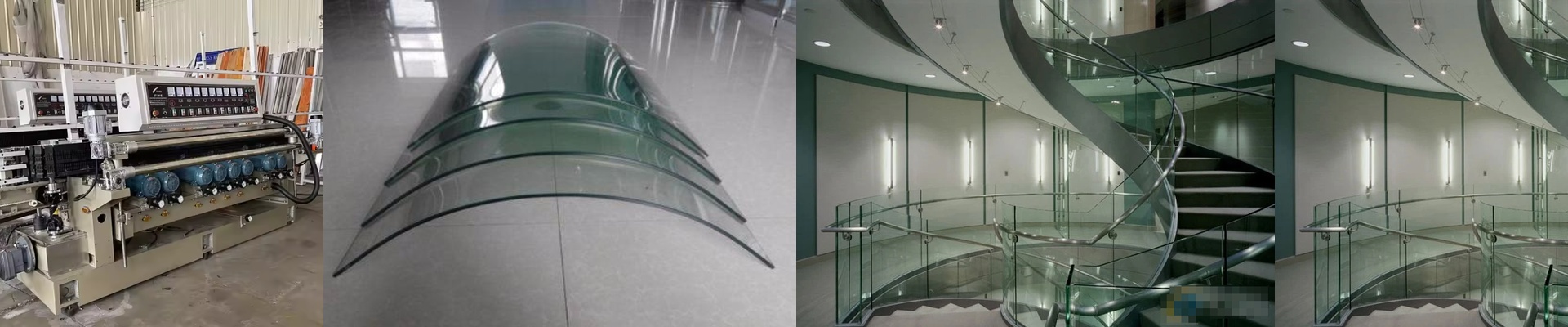
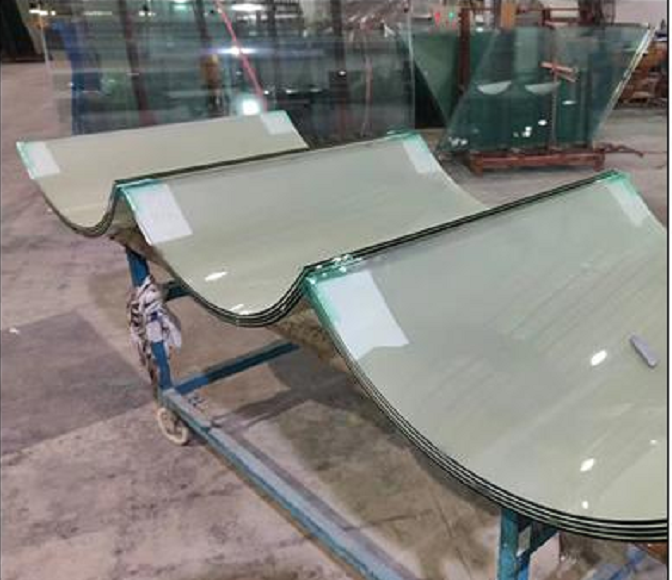
On the molding line, timing and temperature are the whole game. When that furnace door opens, the glass has to be ready—evenly hot, with no hot spots or cold zones. Uneven heating shows up as optical distortion, as thermal stress cracks during bending, and as rework you can’t afford. We built our rapid heating modules to hit target temperature fast and hold it steady, so the glass moves through without surprises.
في خط التشكيل، التوقيت ودرجة الحرارة هما العاملان الأساسيان. عند فتح باب الفرن، يجب أن يكون الزجاج جاهزًا—مسخنًا بشكل متجانس، دون وجود مناطق ساخنة أو باردة. التدفئة غير المتساوية تظهر على شكل تشوه بصري، أو تشققات نتيجة الإجهاد الحراري أثناء الانحناء، وأيضًا عمليات إعادة عمل لا يمكن تحملها. لذلك، قمنا بتصميم وحدات التسخين السريع لدينا لضبط درجة الحرارة المستهدفة بسرعة والحفاظ عليها مستقرة، بحيث ينتقل الزجاج عبر الخط دون مفاجآت.
The core is a high-response heating system with a tightly controlled radiant field. Quartz elements dump energy in quickly, and the reflector layout plus zoned control keeps the thermal profile flat across the glass. The payoff is repeatable uniformity—typically within ±3°C across the active area. Fast ramp-up cuts cycle time, and stable holding reduces thermal shock that leads to breakage. The unit drops into existing molding lines with standard voltage and mounting footprints, so swapping it in is straightforward. النظام الأساسي هو نظام تسخين عالي الاستجابة مع مجال إشعاعي محكم التحكم. تقوم عناصر الكوارتز بتفريغ الطاقة بسرعة، وتصميم العواكس مع التحكم المنطقي يسمح بالحفاظ على توزيع حراري مستوٍ عبر الزجاج. النتيجة هي تكرار التوزيع الحراري بتفاوت عادةً ضمن ±3°C عبر المنطقة الفعالة. التسخين السريع يقلل من زمن الدورة، والحفاظ المستقر على الحرارة يقلل من الصدمات الحرارية التي تؤدي إلى الكسر. الوحدة تُركب في خطوط التشكيل الحالية بجهد وتركيب قياسيين، مما يجعل استبدالها أمرًا سهلاً.
Out on the floor, that translates the way it should. You get shorter heating windows, so throughput rises without pushing the glass too hard. Uniform heat cuts rejects from optical distortion and edge cracking, and it keeps repeatability consistent shift after shift. Energy use drops because the module heats on demand and holds efficiently, instead of running the whole chamber hot. For tempering and bending, that means more consistent curvature and surface quality, fewer jams, and less downtime chasing drift. على أرض المصنع، يترجم ذلك كما هو متوقع. تحصل على فترات تسخين أقصر، مما يزيد الإنتاجية دون إجهاد الزجاج أكثر من اللازم. الحرارة الموحدة تقلل من رفض القطع بسبب التشوهات البصرية وتشققات الحواف، كما تحافظ على تكرار النتائج بشكل متسق من وردية إلى أخرى. ينخفض استهلاك الطاقة لأن الوحدة تعمل بالتسخين حسب الطلب وتحافظ على الحالة الحرارية بكفاءة، بدلاً من تشغيل الغرفة بكاملها ساخنة. في عمليات التقسية والانحناء، يعني ذلك اتساقًا أكبر في الانحناء وجودة السطح، مع تقليل حالات الانحشار وتخفيض وقت التوقف بسبب الانحراف.
One practical point: rapid heating forces you to pay attention to emissivity and part geometry. Glass with low-emissivity coatings or variable thickness may need a tuned recipe and a short soak to even out the profile. Schedule a quick calibration run when you switch grades. Once it’s set, the module runs the way you want—fast, even, and dependable. نقطة عملية: التسخين السريع يجبرك على الانتباه لمعامل الانبعاث وهندسة القطعة. الزجاج ذو الطلاءات منخفضة الانبعاث أو السماكة المتغيرة قد يتطلب وصفة معدلة وفترة نقع قصيرة لتسوية توزيع الحرارة. قم بجدولة اختبار معايرة سريع عند تبديل الدرجات. بمجرد ضبط النظام، تعمل الوحدة بطريقة متوافقة مع المتطلبات—سريعة، متجانسة، ومعتمدة.