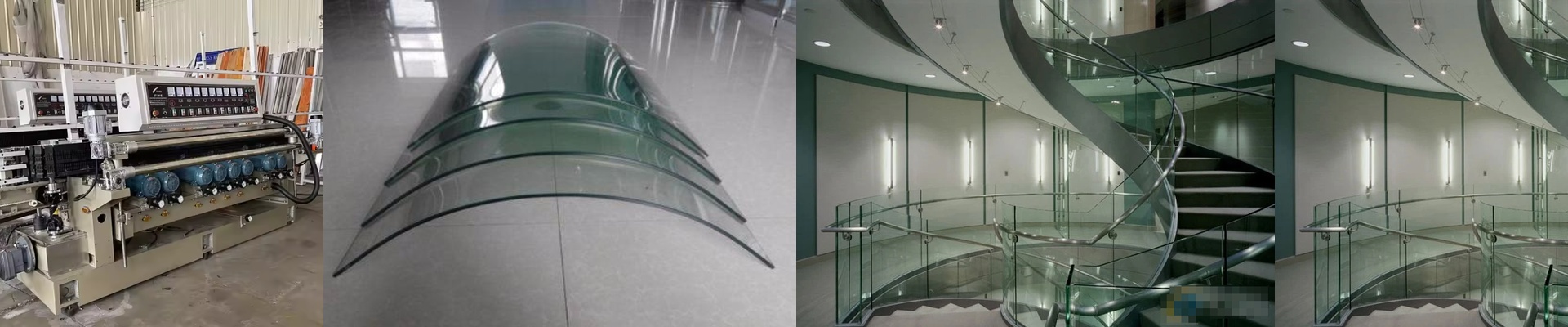
On the production floor, autoclave temperature uniformity isn’t a nice-to-have. It’s a hard constraint.
เมื่ออยู่ในพื้นที่ผลิต ความสม่ำเสมอของอุณหภูมิในเตาออโตเคลฟไม่ใช่แค่สิ่งที่ต้องการเท่านั้น แต่เป็นข้อจำกัดที่เข้มงวด
When the heating profile drifts, you pay for it immediately. Stress marks show up after stress relief. Bent glass carries optical distortion. Tempered sheets slip at the edge. In lamination, hot spots chasing the wrong time-temperature curve kill adhesion. The support heater has to deliver repeatable heat, fast recovery, and tight control so every cycle lands on spec. เมื่อโปรไฟล์ความร้อนเปลี่ยนแปลงทันที จะเกิดผลเสียตามมา เครื่องหมายความเครียดปรากฏหลังการผ่อนคลายความเครียด กระจกบิดงอมีการบิดเบือนทางแสง แผ่นกระจกเทมเปอร์ลื่นบริเวณขอบ ในกระบวนการลามิเนต จุดร้อนที่ไม่สอดคล้องกับเส้นโค้งเวลา-อุณหภูมิทำให้การยึดติดล้มเหลว ฮีตเตอร์รองรับต้องให้ความร้อนที่ทำซ้ำได้ ฟื้นตัวเร็ว และควบคุมอย่างแม่นยำเพื่อให้แต่ละรอบทำงานตามสเปก
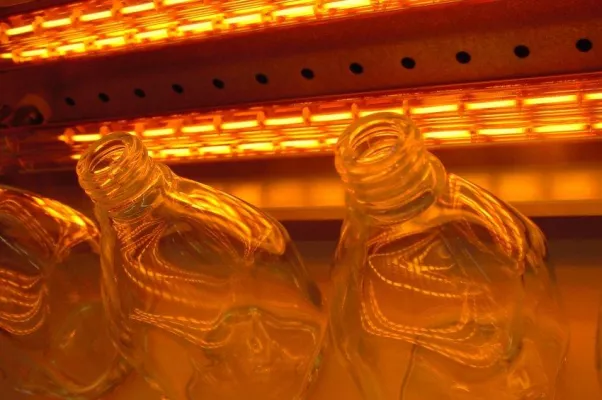
We build our autoclave support heaters around medium-wave infrared elements in a quartz envelope, matched to the emissivity of glass and the common interlayers. The geometry is laid out to spread radiant flux evenly, so the thermal field stays flat across the load. That keeps thermal gradients from driving uneven annealing or stress concentrations you can’t afford. เราสร้างฮีตเตอร์รองรับออโตเคลฟโดยใช้ส่วนประกอบอินฟราเรดช่วงคลื่นกลางที่บรรจุในซองควอตซ์ ปรับให้เข้ากับค่าการแผ่รังสีของกระจกและชั้นกลางทั่วไป รูปทรงถูกออกแบบให้กระจายฟลักซ์รังสีอย่างสม่ำเสมอ เพื่อรักษาฟิลด์ความร้อนให้เรียบเสมอกันทั่วทั้งโหลด ช่วยป้องกันความต่างอุณหภูมิที่ทำให้การอบรีดไม่สม่ำเสมอหรือเกิดความเครียดสะสมที่ไม่พึงประสงค์
Rated for industrial duty, the modules take high cycling, snap back after door openings, and hold setpoint within tight tolerance. We size the output to your chamber footprint and voltage, with terminations and shielding that can survive the autoclave environment. โมดูลเหล่านี้ถูกออกแบบสำหรับงานอุตสาหกรรม สามารถทนต่อการทำงานซ้ำสูง ฟื้นตัวทันทีหลังเปิดประตู และรักษาค่าตั้งเป้าให้อยู่ในช่วงความคลาดเคลื่อนแคบ เรากำหนดขนาดกำลังขาออกให้เหมาะกับขนาดช่องเตาและแรงดันไฟฟ้าของคุณ พร้อมขั้วต่อและวัสดุกันรังสีที่ทนทานต่อสภาพแวดล้อมในออโตเคลฟ
In tempering and bending lines, the heater keeps the furnace profile stable—supporting consistent shape and surface quality. In EVA/SGP/PVB lamination, it delivers the controlled soak needed for void-free adhesion and clean optical clarity. For insulating glass sealing, it supports uniform curing of the secondary seal, helping maintain long-term seal integrity. The payoff is fewer rejects, stable yield, and predictable throughput. ในสายการผลิตเทมเปอร์และดัด ฮีตเตอร์ช่วยรักษาโปรไฟล์เตาให้คงที่ สนับสนุนรูปร่างและคุณภาพผิวที่สม่ำเสมอ ในการลามิเนต EVA/SGP/PVB จะให้การแช่ความร้อนที่ควบคุมได้ ซึ่งจำเป็นสำหรับการยึดติดที่ไม่มีฟองอากาศและความใสทางแสงที่สะอาด สำหรับการซีลกระจกฉนวน ช่วยให้การบ่มซีลรองเป็นไปอย่างสม่ำเสมอ ช่วยรักษาความสมบูรณ์ของซีลในระยะยาว ผลลัพธ์คือของเสียลดลง ผลผลิตคงที่ และอัตราการผลิตที่คาดการณ์ได้
Installation is straightforward, but alignment matters. The heater has to sit where it matches the autoclave airflow and radiation path. If it doesn’t, temperature spread grows and glass stress control gets harder. การติดตั้งทำได้ง่ายแต่การจัดวางต้องถูกต้อง ฮีตเตอร์ต้องอยู่ในตำแหน่งที่สอดคล้องกับการไหลของอากาศและเส้นทางรังสีในออโตเคลฟ หากไม่เป็นเช่นนั้น การกระจายอุณหภูมิจะเพิ่มขึ้นและการควบคุมความเครียดของกระจกจะยากขึ้น
After commissioning, expect a short ramp-up window to tune the PID for your specific load and cycle. We recommend verifying uniformity with a calibrated scan and setting limits on element temperature to extend service life during high-temperature cycles. หลังจากการติดตั้งและเริ่มใช้งาน คาดว่าจะมีช่วงเวลาสั้น ๆ สำหรับปรับจูน PID ให้เหมาะสมกับโหลดและรอบการทำงานเฉพาะของคุณ เราแนะนำให้ตรวจสอบความสม่ำเสมอด้วยการสแกนที่สอบเทียบแล้ว และตั้งค่าขีดจำกัดอุณหภูมิของส่วนประกอบเพื่อยืดอายุการใช้งานในรอบที่อุณหภูมิสูง