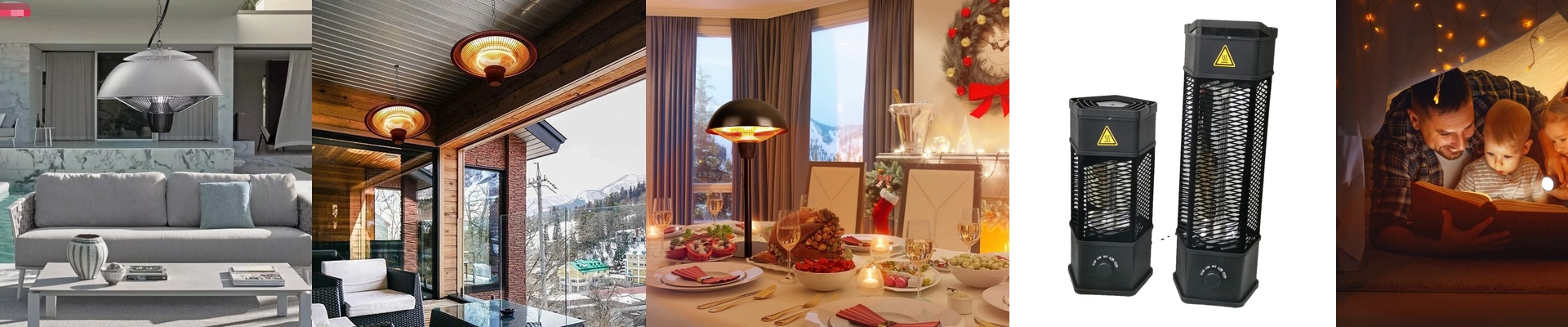
Introduction
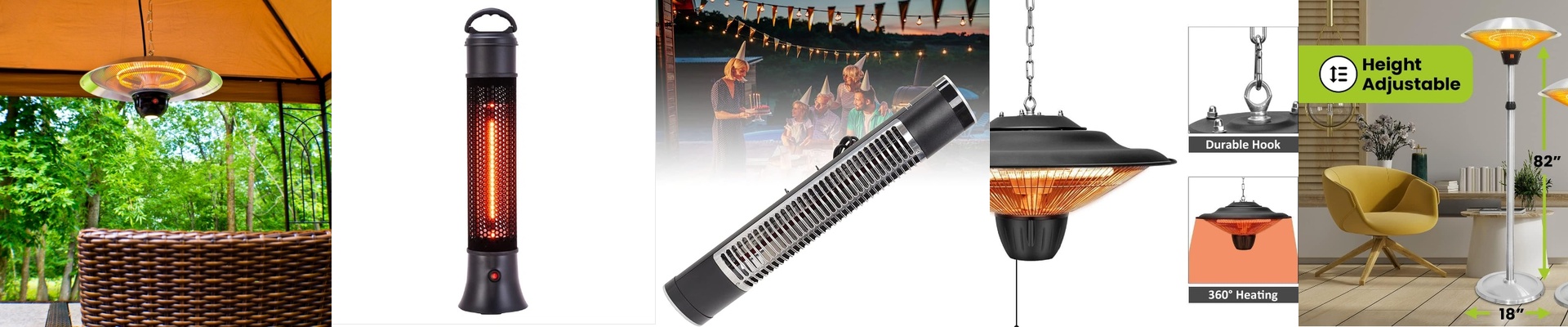
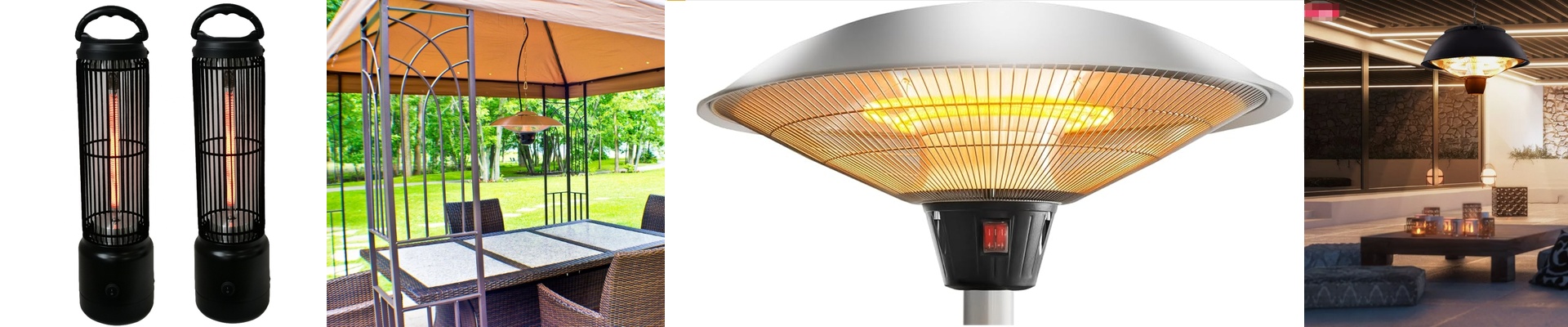
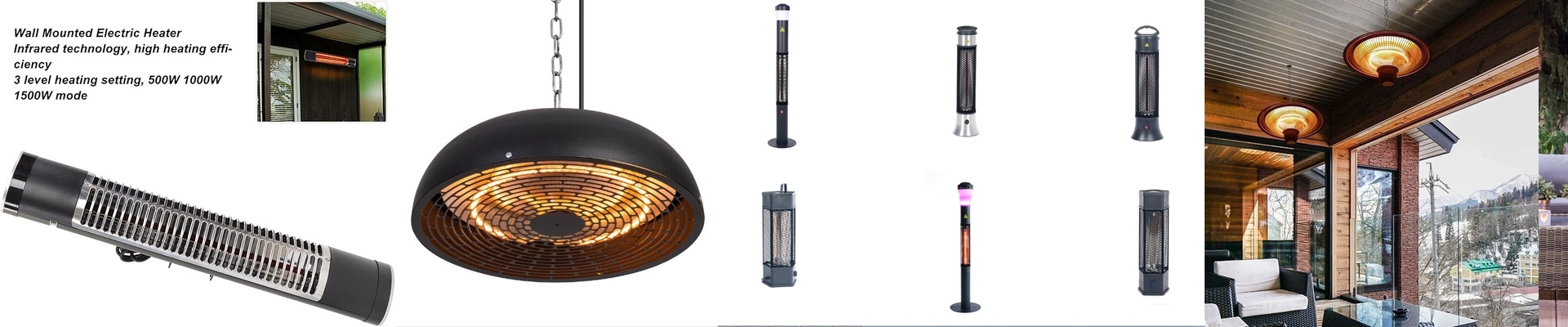
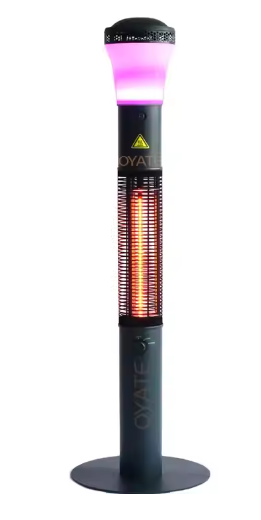
Here’s the idea behind our Bluetooth electric heater: we wanted warmth that feels natural, not like you’re fighting the air. So we built it around a halogen infrared tube. It sends out heat in specific wavelengths that go straight to the people and objects in the room, skipping the air altogether. The payoff? You get instant comfort right where you need it, and you’re not throwing away energy heating empty space.
The Tech, Without the Fluff
The heating tube runs on standard mains voltage—220V or 240V—and comes in power ratings that match real-world needs, whether it’s a workshop or a home. We carefully chose the tube length and diameter to pack in enough heat while keeping the footprint small. So you get serious output for a specific zone, without needing a giant machine taking up space. And that Bluetooth control? It’s not just a fancy add-on. It lets you set things up and check on the heater from across the room. Adjust the output, tweak the schedule—no need to walk over to the unit. For maintenance, that means fewer service calls and quicker troubleshooting when something comes up.
What’s Inside and Why It Works
Inside, the halogen element gets seriously hot to create shortwave and medium-wave infrared heat. The quartz glass around it handles the thermal shock and keeps the right wavelengths passing through consistently. A special reflector coating focuses the energy forward, so you don’t waste heat on the sides, and it keeps nearby parts safe from excess heat. The connector interface is built to be tough. Whether your setup uses a standard lamp holder or a high-temperature terminal block, the connection stays solid—even with vibration and repeated heating and cooling. We chose heavy-duty terminations to prevent arcing and hot spots, so it stays reliable even when it’s running for long stretches.
How It Feels in the Real World
In practice, this heater jumps into action fast. Almost no warm-up time. The focused infrared heat gets right through clothing and surfaces, warming you from the inside out. That means no more drafts, and you won’t get that dry, dusty feeling that comes with conventional convection heaters. Now, there is one thing to keep in mind: high heat density needs a little planning. You’ll want proper clearance around the unit and a basic ventilation setup to keep the surrounding air in check. But when you get the installation right, you end up with a heater that’s easy to wire, simple to control, and just plain dependable day after day.