Winter evenings always tell the truth about your heating setup. You can pile on blankets and crank the central heat, but that cold still works its way in through the walls and floor. And nothing is more frustrating than watching the kWh climb while the room never actually feels right.
What actually matters, technically
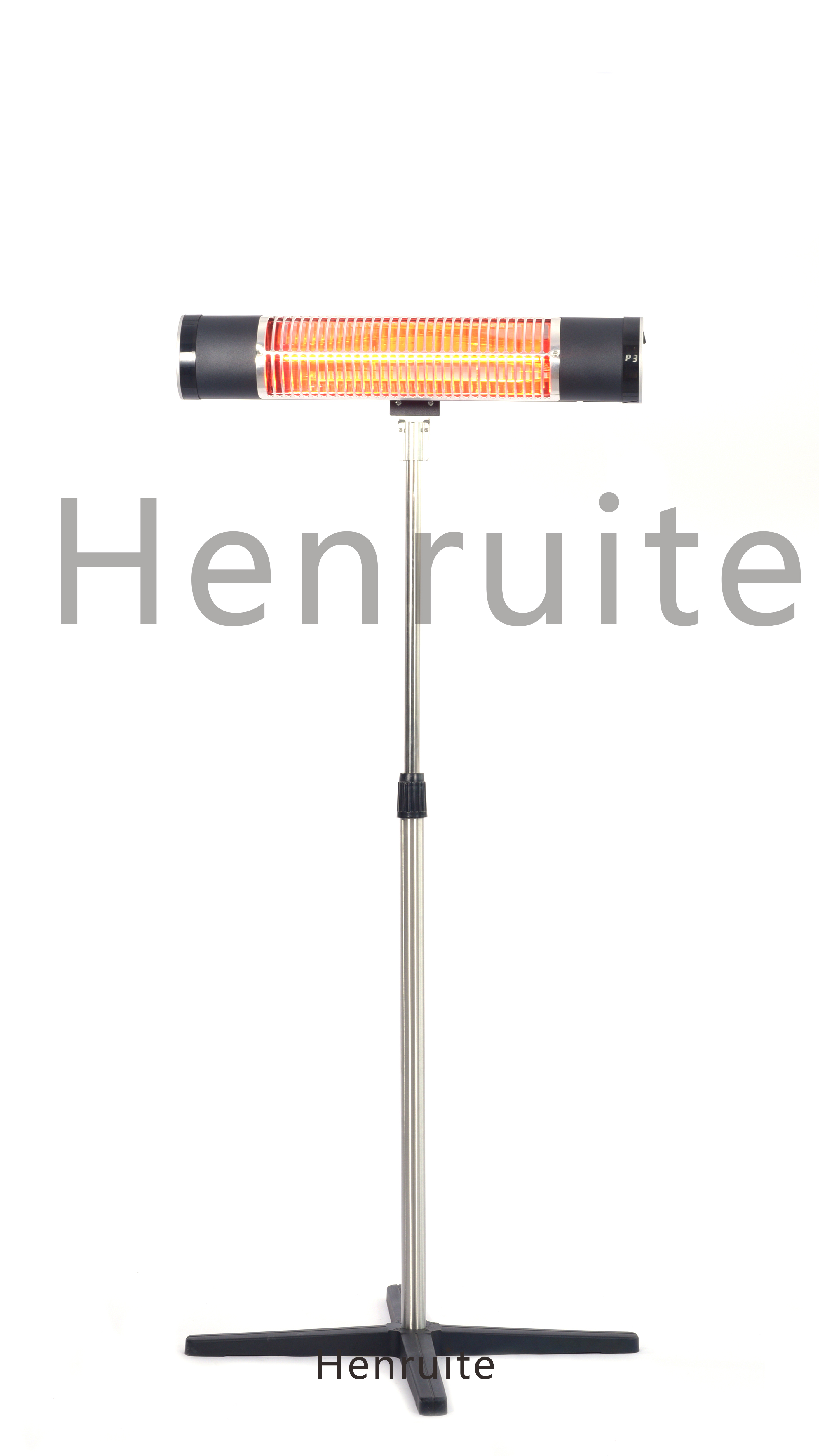
Infrared warmth works the same way the sun does—directly, without wasting time heating the air first. The heat radiates outward, warming people and surfaces in its path. In practice, you feel comfort faster, and you can often run the heater at a lower overall draw than convection-style electric heaters. The heart of it is the element and how it’s controlled. Most units run a carbon fiber element inside a sealed quartz tube—chosen because it holds output steady and has a long service life. Add an adjustable thermostat, and you get steady, draft-free warmth instead of constantly chasing temperature swings.
Why it makes sense in the real world
Here’s the question everyone asks: is an infrared heater actually more economical? When you use it for the zone you’re in—like a living room, a covered patio, or a drafty sunroom—the efficiency comes from direct heat transfer and targeted runtime. In side-by-side use under similar conditions, people commonly report up to 30% lower energy use compared with heating the whole house or running air-heating electric units. That shows up as fewer kilowatt-hours on the bill, especially when you only need heat for a few hours a day.
What you need to know before you plug in
Infrared heaters are designed to be plug-and-play, but placement makes or breaks comfort. Aim the unit so the radiant warmth covers the seating area, and avoid having the element in direct line-of-sight for long periods. They perform best in enclosed or semi-enclosed spaces where drafts are under control. In wide-open outdoor areas with constant wind, the effect can feel diluted. Also, check your local circuit capacity and use a dedicated outlet—keeps operation safe and steady.