


How Our Infrared Halogen Lamps Get Lens Coatings Surface-Dry in Seconds
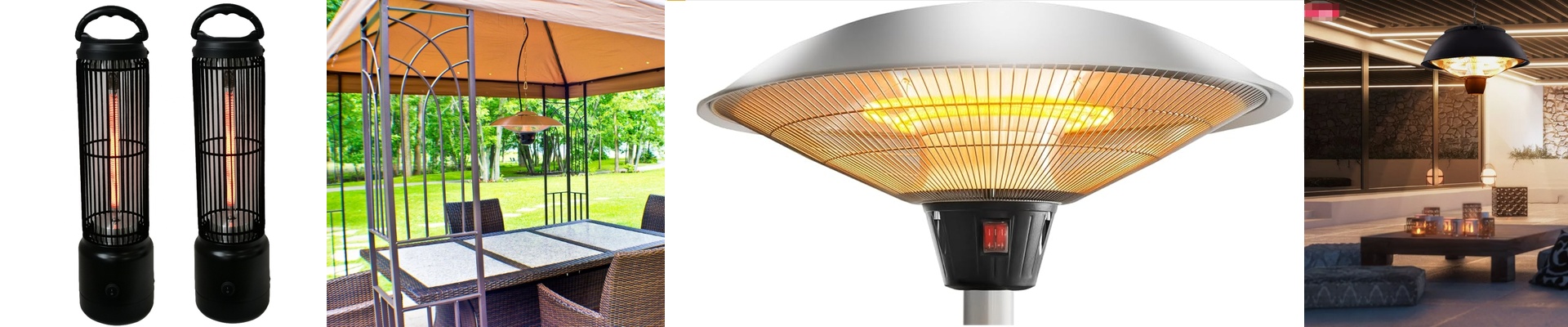
We built these infrared heating lamps for one reason: to kill the waiting game on the Optical lens coating line. You know the pain—wet glass ink that takes forever to dry, parts that can’t stack, and the constant worry of them sticking together. We wanted a solution that gets the surface dry in seconds, so your workflow keeps moving.
Power, Voltage, and Geometry—Designed for the Real World
These lamps weren’t born for a lab bench. They were born for the production line. We packed a ton of heat into a small footprint so it slips into tight dryer modules without forcing you to rework your whole setup. The voltage and wattage are chosen for one thing: steady, repeatable heat—shift after shift. No dips. No surprises. And that fast ramp-up? That’s the secret to second-level drying. The energy hits the wet ink, the solvent flashes off, and the surface sets almost instantly. But here’s the honest part: this is high-heat. So it needs proper machine cooling and thermal management. If your enclosure can’t handle the heat, you’ll shorten the lamp’s life. Plan for it, and it rewards you.
What’s Inside: Halogen, Quartz, and a Connector That Actually Makes Sense
We put the halogen element inside a quartz envelope because quartz does two things beautifully: it transmits shortwave infrared efficiently, and it handles the shock of starting up and shutting down without flinching. The halogen cycle keeps the filament stable over time, so your drying performance stays consistent—hour after hour, week after week. That reflective coating on the lamp? Not just for looks. It pushes more energy toward the substrate, so you’re not wasting heat into the surrounding space. And the R7s connector is a practical win. It locks in place, handles high temperatures, and makes service simple—swap it in and get back to work.
The Payoff: Drying That Keeps Pace With Your Line
On a glass ink printing line, dry time is usually the bottleneck. With this infrared dryer, the ink surface dries within seconds. That means printed parts can go straight into stacking or the next step. No waiting. No transfer racks. No rework from lenses sticking together. The result is simple: more throughput, less floor space per unit, and far fewer jams from wet-stacked lenses. It’s a dryer that specs clean, wires clean, and just keeps running—hard. Day after day.