Infrared Heaters and Indoor Humidity: The Warmth That Doesn’t Dry You Out
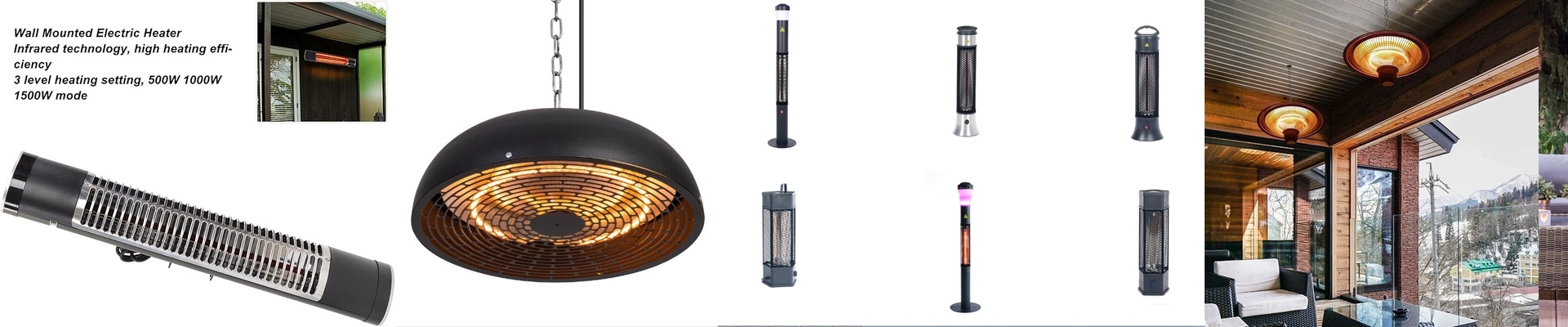
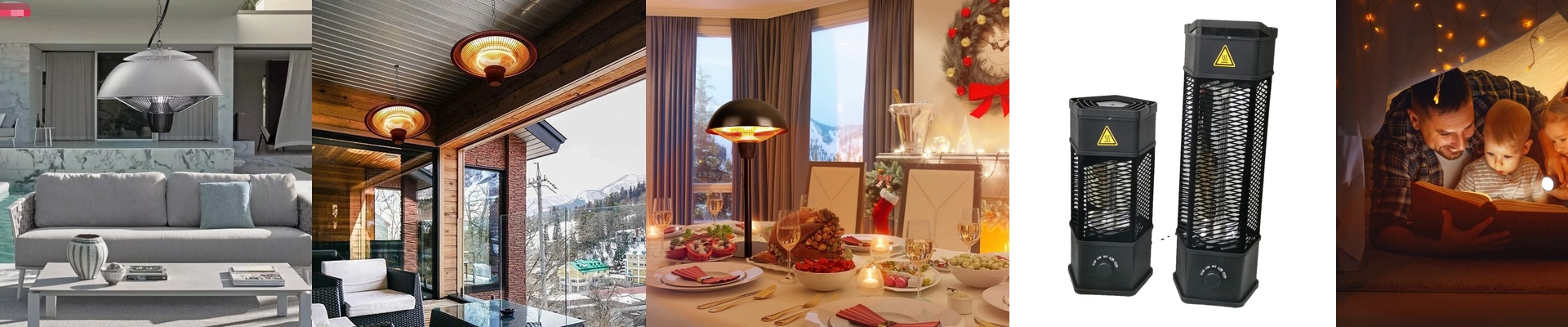
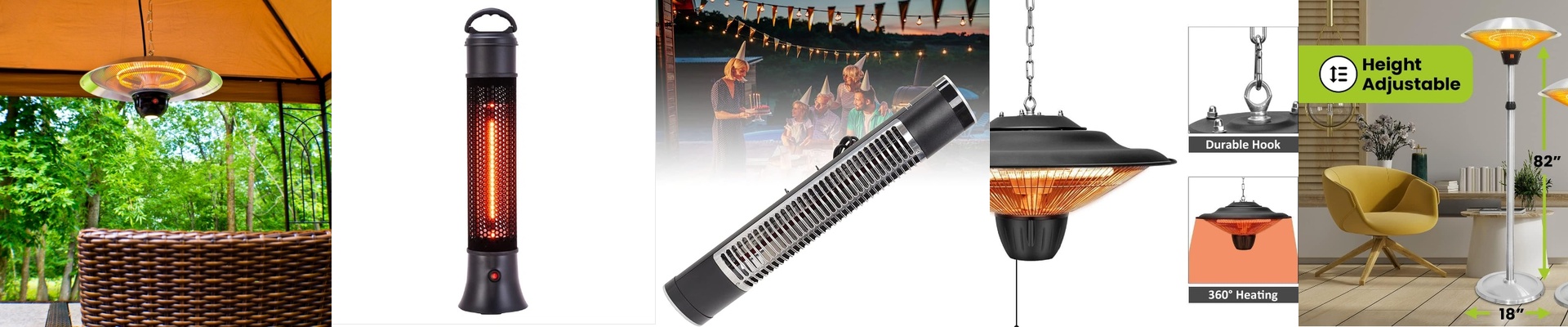
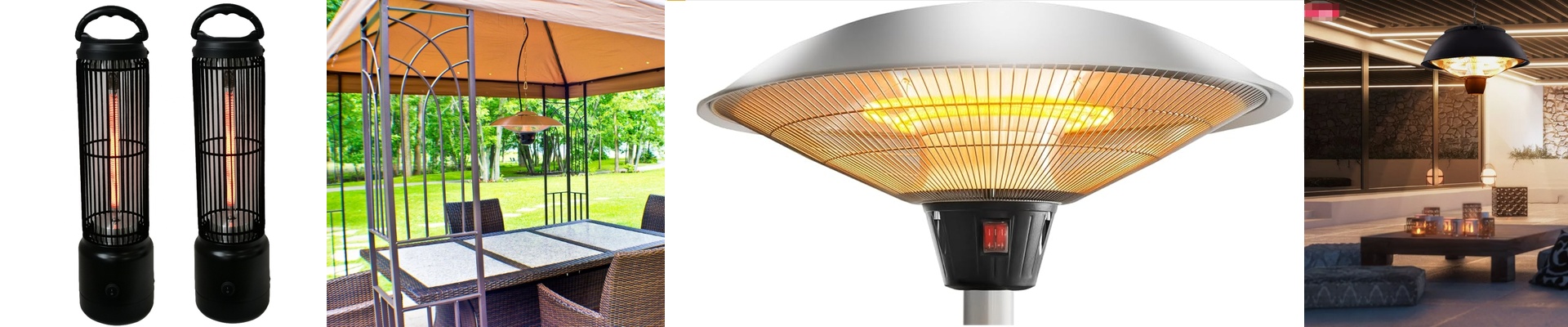
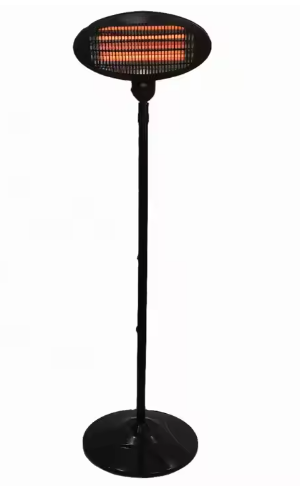
Here’s the thing about how we build our indoor heaters. It all comes down to a pretty simple idea: direct warmth. Traditional heaters blast the air, then that air carries heat—and moisture—all over the room. We do it differently. Our infrared heaters send out radiant heat that moves in a straight line, hitting objects and people directly. It warms what matters—the solid stuff—not just the air around it.
What’s Inside: Power, Voltage, and the Right Size
At the heart of our heaters is the halogen infrared tube. It packs a lot of power into a small space, which is exactly what you want when you need serious warmth without a bulky unit. These tubes are made to run on specific voltage—usually 230V or 400V—and deliver outputs from 1000W up to 2500W. And the size? Around 300mm long. That’s not random. It’s a careful balance: enough surface area to generate strong heat without needing a giant fixture. That setup gives you a powerful heat source you can position exactly where you need it. A 2500W unit in a 300mm tube concentrates the heat, sure—but that also means the surrounding parts have to handle the heat. So you’ll want to make sure your mounting hardware and wiring are up to the job.
The Details: Quartz Tube and the R7s Connector
The heating element sits inside a high-purity quartz tube. We chose quartz because it handles sudden temperature changes really well and lets infrared energy pass through cleanly. Inside, a halogen gas cycle keeps the tungsten filament in good shape. That helps keep the temperature steady, which means consistent warmth and a longer life than you’d get with standard heating elements. For installation, we use the R7s connector. It’s a double-ended, linear pin setup—an industry standard for tubular heaters like this. It makes for a solid, high-current connection that’s straightforward to wire. And if you’re swapping out an old unit, it’s a drop-in replacement. No fuss. Minimal downtime.
Why It Matters: Warmth Without the Dry Air
The big win is this: heat and air movement stay separate. Since the heater warms objects directly, the air in the room doesn’t get stirred up and heated the way it does with convection systems. That matters because it means moisture doesn’t evaporate quickly. You get effective warmth without that dry, uncomfortable feeling. So you can keep your indoor humidity where you want it—and still get targeted, efficient heat. Just keep in mind: the warmth is directional. You need to aim the unit properly, because it doesn’t fill the room the way a convection heater does. That’s intentional. It’s the trade-off we make when spot heating and humidity control are your top priorities.