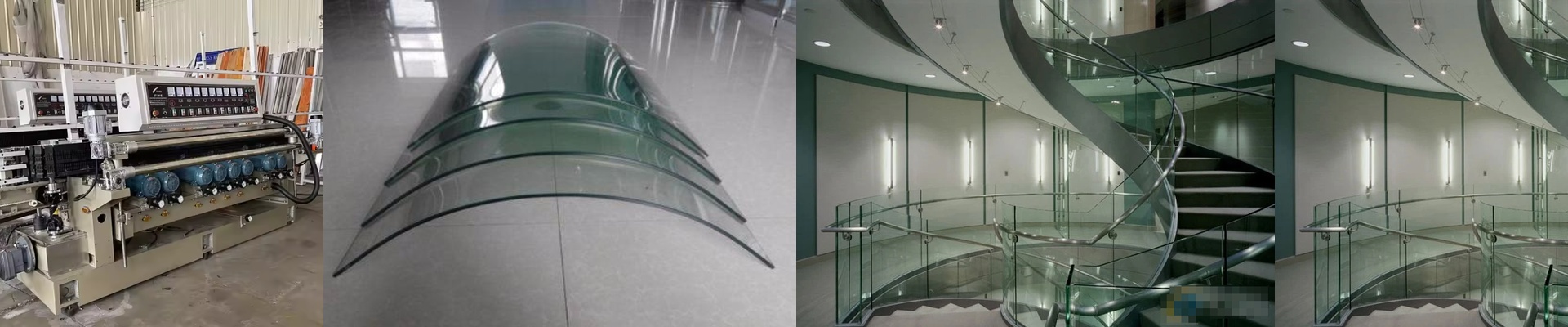
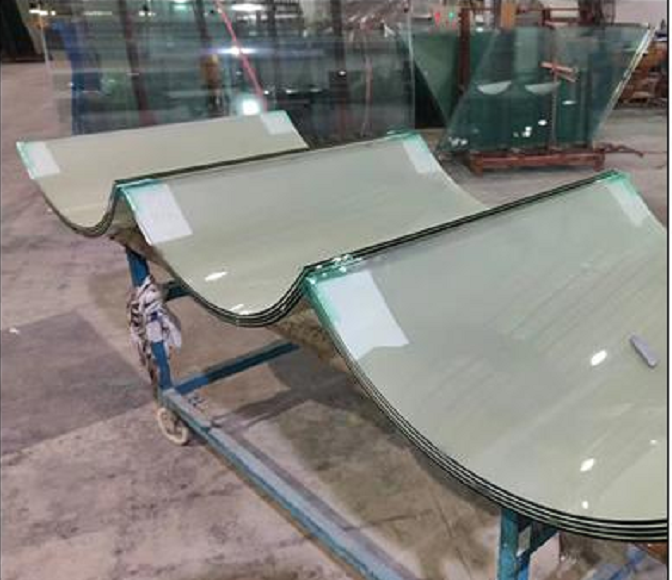
On the molding line, timing and temperature are the whole game. When that furnace door opens, the glass has to be ready—evenly hot, with no hot spots or cold zones. Uneven heating shows up as optical distortion, as thermal stress cracks during bending, and as rework you can’t afford. We built our rapid heating modules to hit target temperature fast and hold it steady, so the glass moves through without surprises.
Sulla linea di formatura, il tempismo e la temperatura sono fondamentali. Quando si apre la porta del forno, il vetro deve essere pronto—caldo in modo uniforme, senza zone troppo calde né troppo fredde. Il riscaldamento irregolare si manifesta come distorsione ottica, crepe da stress termico durante la curvatura, e rilavorazioni che non si possono permettere. I nostri moduli di riscaldamento rapido sono progettati per raggiungere rapidamente la temperatura target e mantenerla stabile, così il vetro attraversa il processo senza imprevisti.
The core is a high-response heating system with a tightly controlled radiant field. Quartz elements dump energy in quickly, and the reflector layout plus zoned control keeps the thermal profile flat across the glass. The payoff is repeatable uniformity—typically within ±3°C across the active area. Fast ramp-up cuts cycle time, and stable holding reduces thermal shock that leads to breakage. The unit drops into existing molding lines with standard voltage and mounting footprints, so swapping it in is straightforward.
Il nucleo è un sistema di riscaldamento ad alta reattività con un campo radiante strettamente controllato. Gli elementi in quarzo trasferiscono energia rapidamente, mentre la disposizione dei riflettori e il controllo a zone mantengono il profilo termico uniforme su tutta la superficie del vetro. Il risultato è uniformità ripetibile—normalmente entro ±3°C sull’area attiva. La rapida fase di riscaldamento riduce i tempi di ciclo, e il mantenimento stabile limita lo shock termico responsabile delle rotture. L’unità si integra nelle linee di formatura esistenti con tensione e ingombri standard, rendendo semplice il retrofit.
Out on the floor, that translates the way it should. You get shorter heating windows, so throughput rises without pushing the glass too hard. Uniform heat cuts rejects from optical distortion and edge cracking, and it keeps repeatability consistent shift after shift. Energy use drops because the module heats on demand and holds efficiently, instead of running the whole chamber hot. For tempering and bending, that means more consistent curvature and surface quality, fewer jams, and less downtime chasing drift.
In produzione, questo si traduce nelle prestazioni attese. Le finestre di riscaldamento si accorciano, aumentando la produttività senza sollecitare eccessivamente il vetro. Il calore uniforme riduce gli scarti dovuti a distorsioni ottiche e crepe ai bordi, mantenendo la ripetibilità costante turno dopo turno. Il consumo energetico diminuisce perché il modulo riscalda su richiesta e mantiene la temperatura in modo efficiente, evitando di tenere tutto il forno a temperature elevate. Per tempera e curvatura, ciò si traduce in una curvatura e qualità superficiale più costanti, meno inceppamenti e meno tempi di fermo per correggere deragliamenti.
One practical point: rapid heating forces you to pay attention to emissivity and part geometry. Glass with low-emissivity coatings or variable thickness may need a tuned recipe and a short soak to even out the profile. Schedule a quick calibration run when you switch grades. Once it’s set, the module runs the way you want—fast, even, and dependable.
Un aspetto pratico: il riscaldamento rapido impone particolare attenzione a emissività e geometria del pezzo. Il vetro con rivestimenti a bassa emissività o spessori variabili può richiedere una ricetta tarata e un breve mantenimento per uniformare il profilo. È consigliabile programmare una rapida calibrazione al cambio di tipo vetro. Una volta impostato, il modulo lavora come previsto—rapido, uniforme e affidabile.