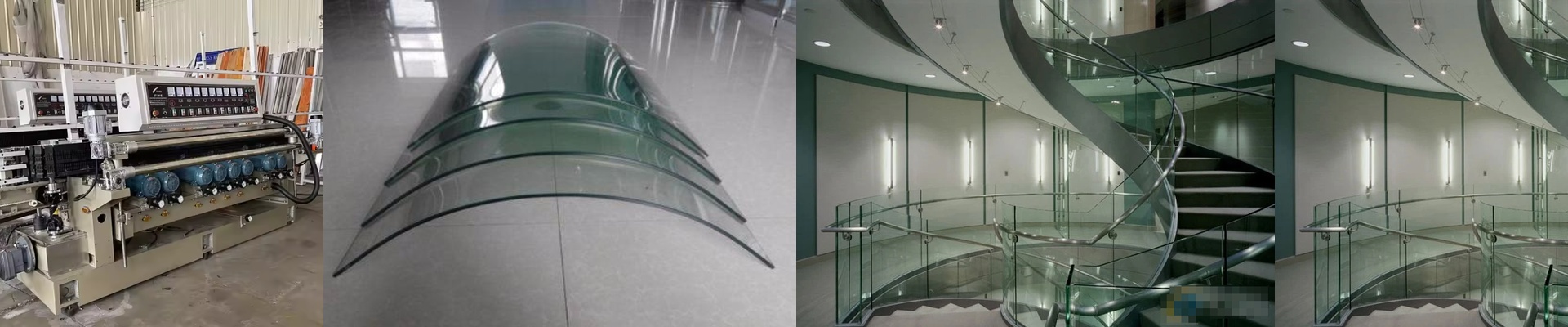
Out on the line, ceramic ink drying has to keep up with the pace of tempering and bending. Convection ovens struggle to do that, and the gas and electric bills just keep climbing. When the drying profile slips, you end up with pinholes, weak edge coverage, and lamination adhesion problems that show up later.
What actually matters
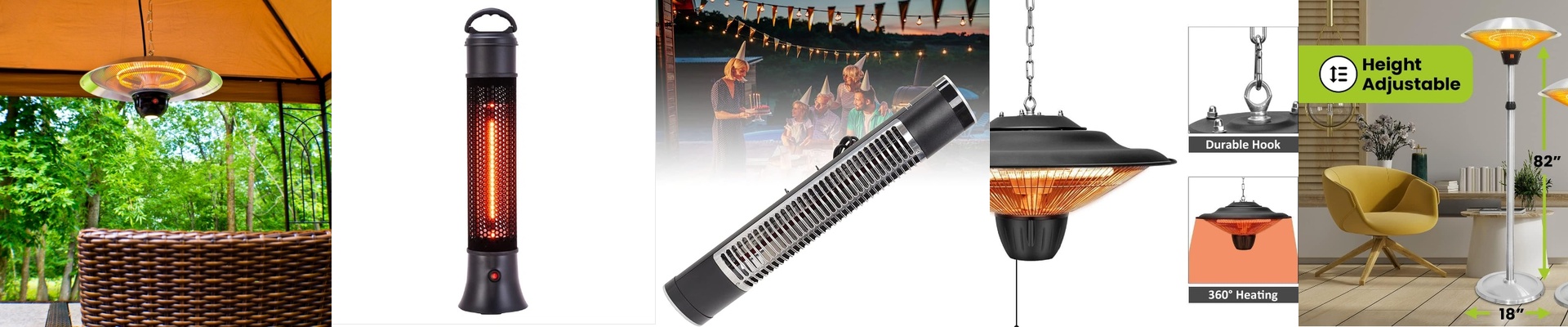
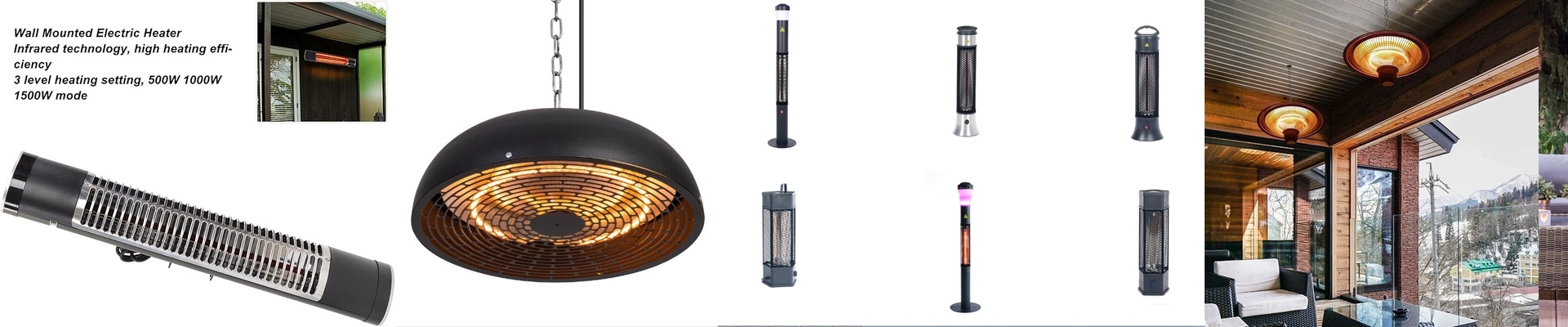
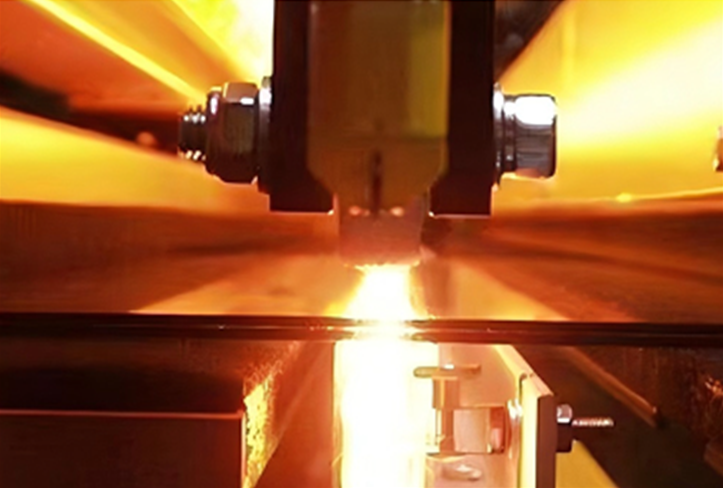
We run short-wave infrared quartz emitters, tuned to match how ceramic inks and frits absorb energy. Each module hits 2–3 kW, ramps quickly to setpoint, and holds tight with closed-loop control. That gives you a uniform thermal field across the glass, which keeps thermal stress down and limits optical distortion. The response is almost immediate, so the system can follow line speed without the lag you get with ovens.
Why it plays in production
In practice, the payoff is simple. Faster drying shrinks the gap between printing and tempering, so you can run higher line speeds without adding oven length. Energy use drops because infrared puts heat straight into the ink, not into the air. In high-power drying zones, we’ve seen kWh per square meter fall by 30–40%, and gas use takes a real hit where ovens were running. Temperature uniformity improves, which cuts rejects from uneven cure and reduces rework, especially on bent glass.
What you need to get right
Installation is modular, but layout has to respect the glass path and emissivity. Keep reflectors aligned and the quartz envelopes clean—otherwise you’ll see hot spots. With thick or coated substrates, size the power and dwell time so you don’t overshoot. Operators will need a short training window to dial in profiles for each glass type. Plan it up front, and it pays back in uptime and lower utility invoices.