Getting Your Glass Preheating Right: The Secret is in the Spectrum
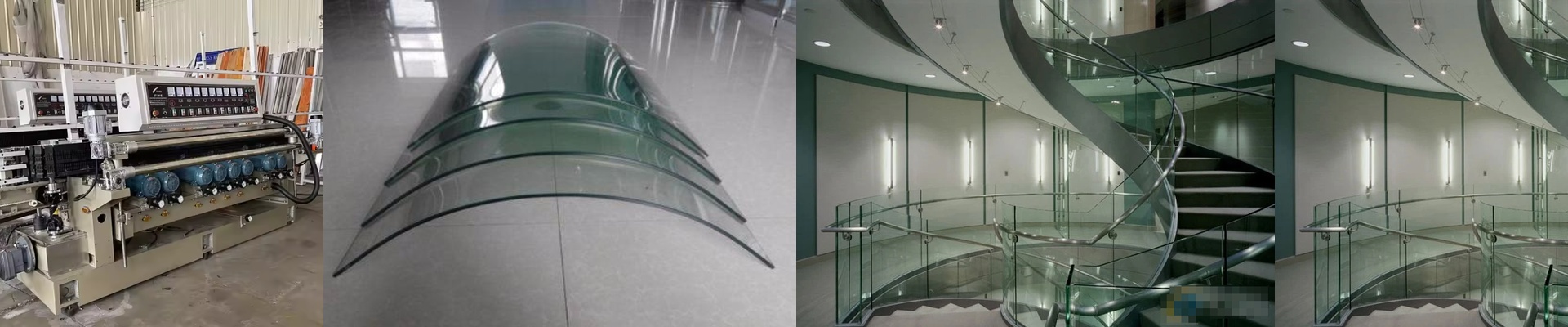
Ever feel like you’re cranking up the heat on a piece of glass, but it’s just not getting warm? Here’s the thing: most standard IR lamps are just guessing. They throw out a broad wave of energy, but if that energy doesn’t “match” what the glass actually wants to absorb, it’s a waste. Most of that heat just bounces off the surface or flies straight through. When you’re working with specialty glass or weird additives, off-the-shelf lamps usually won’t cut it. You have to be way more intentional. The “Lock and Key” Problem Think of it like a lock and key. Your glass chemistry has a specific “lock”—a peak where it loves to absorb heat. If your lamp is emitting at 2.0 microns but your glass is waiting for 3.5, you’re just wasting electricity. We fix this by tweaking the emitter’s makeup or adding selective coatings. We’re basically tuning the lamp to the exact frequency the glass molecules are vibrating at. The result? The glass heats from the inside out. No more waiting for the surface heat to slowly crawl toward the center. It’s just… efficient. The Hardware Trade-off Now, there’s a catch. Depending on how deep you need that heat to go, we’ll use short-wave or medium-wave quartz elements. But here is where it gets tricky: when you customize a spectrum, you usually lose some raw wattage. A coated lamp might look “weaker” on paper than a clear halogen tube. But in the real world? It delivers more usable heat because the energy is actually landing where it belongs. Just a heads-up on the electrical side: don’t just plug these into a random controller. Changing the filaments to shift the spectrum changes the electrical resistance. You’ll need to double-check your voltage and current draws so you don’t fry anything. What This Looks Like in the Shop This is a lifesaver for scientific research or high-end optical glass. It kills those annoying cold spots and stops the glass from shattering due to thermal shock. You know that feeling when the outside is scorching but the core is freezing? Yeah, this stops that. One last tip: keep an eye on your cooling jigs. Since some energy will still reflect off the glass, make sure your cooling system can handle that “bounce back” so you don’t accidentally bake your machine frame.