

Stop Guessing with Your Glass Annealing
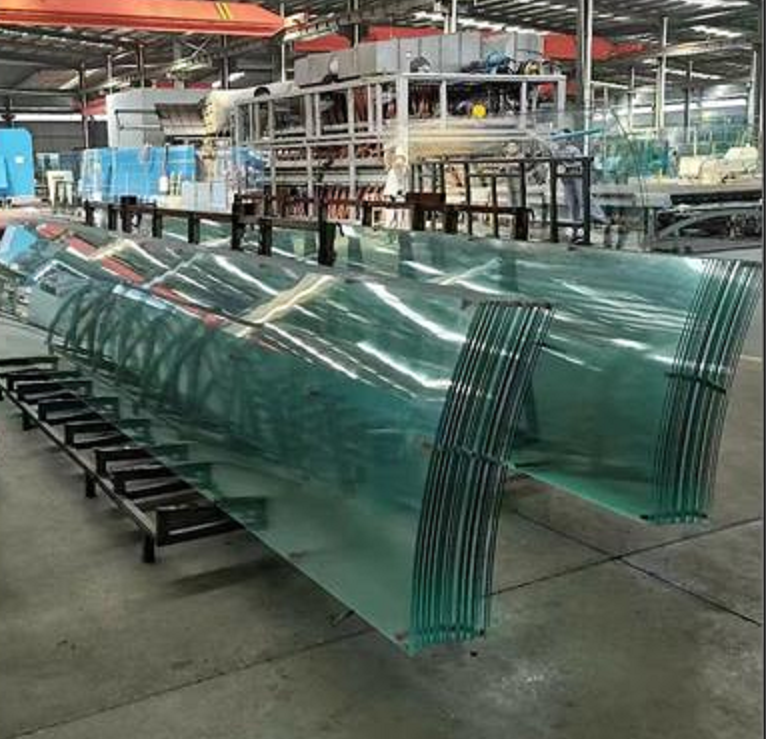
If you’ve ever dealt with “cold spots” across a sheet of glass, you know the headache. You think you’ve got your thermal soak dialed in, but then you find internal stress or, worse, a shattered batch. Most people blame the lamp filaments first. But here’s the thing: it’s usually the aluminum reflectors. If they aren’t directing that heat perfectly, it doesn’t matter how good your lamps are.
Why “Close Enough” Isn’t Good Enough
On the surface, a standard aluminum reflector looks fine. But under a microscope? It’s a different story. Tiny deviations in the surface mess with the angle of the IR beam. Imagine one reflector pushing out 85% of the energy while the one next to it hits 92%. Your glass temperature is going to jump around. That’s why we stick to high-purity aluminum with a precision-machined parabolic profile. It keeps the beam angle identical for every single lamp in the array. When you’re setting up your heating tunnel, you want a flat thermal profile. You want the energy density to stay the same from the center of the lamp all the way to the edges. When that happens, you can stop “over-heating” the whole batch just to make sure the weakest lamp does its job.
The Reality of the Factory Floor
We use anodized aluminum because it just makes sense. It reflects well and handles heat without breaking a sweat. Now, you’ll hear people talk about gold-coated reflectors. Sure, they reflect IR better. But they’re fragile. In a real factory, they get beat up and they cost a fortune. Aluminum can take a hit and keep on working. One warning, though:keep them clean. Dust and oil are the enemy here. They soak up the IR energy, which makes the aluminum overheat and warp. Once that happens, you lose your focal point. And once you lose that, your batch quality goes right down the drain.
Smoothing Out the Process
When your reflectors are consistent, your PID controllers can actually do their job. They stop fighting the hardware and start controlling the glass. You get a uniform soak across the entire load. It feels better, the scrap rate drops, and you can actually tighten up your cycle times without worrying that the whole thing is going to crack from thermal shock.