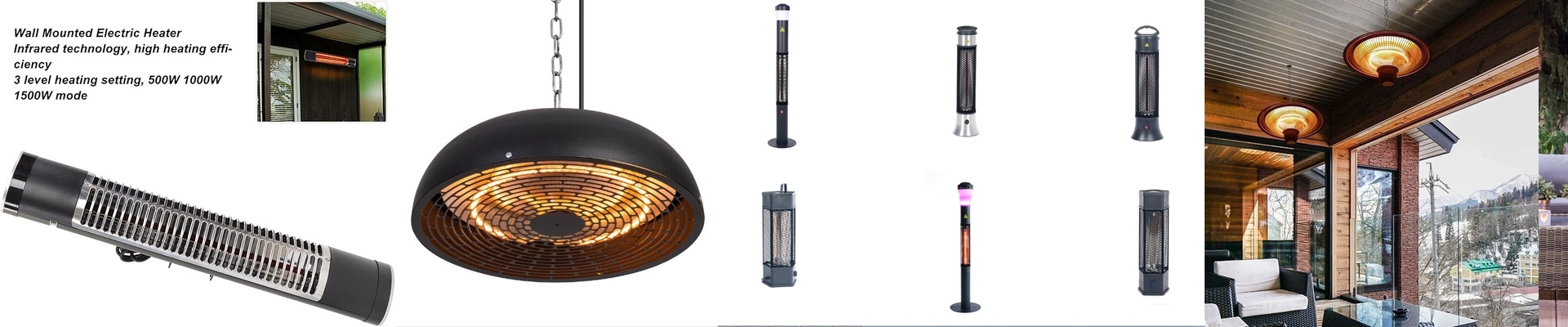
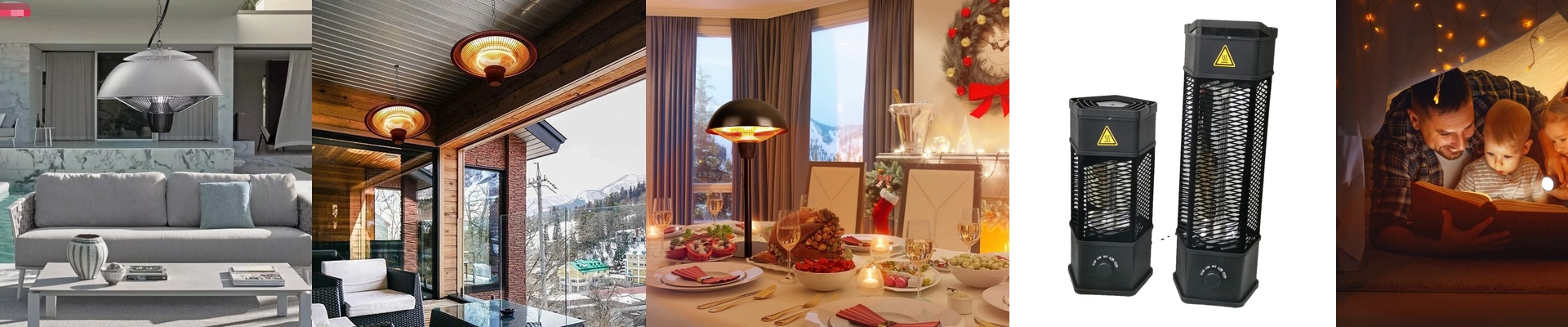
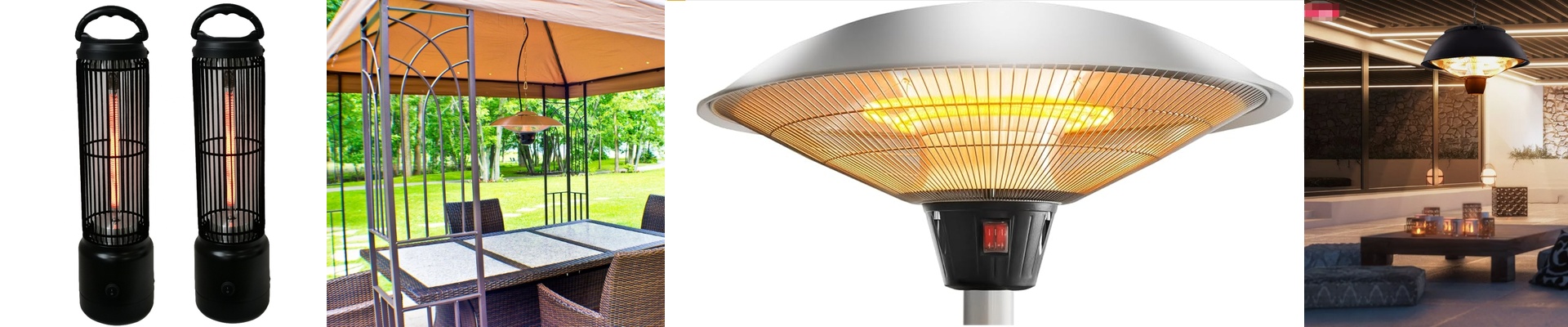
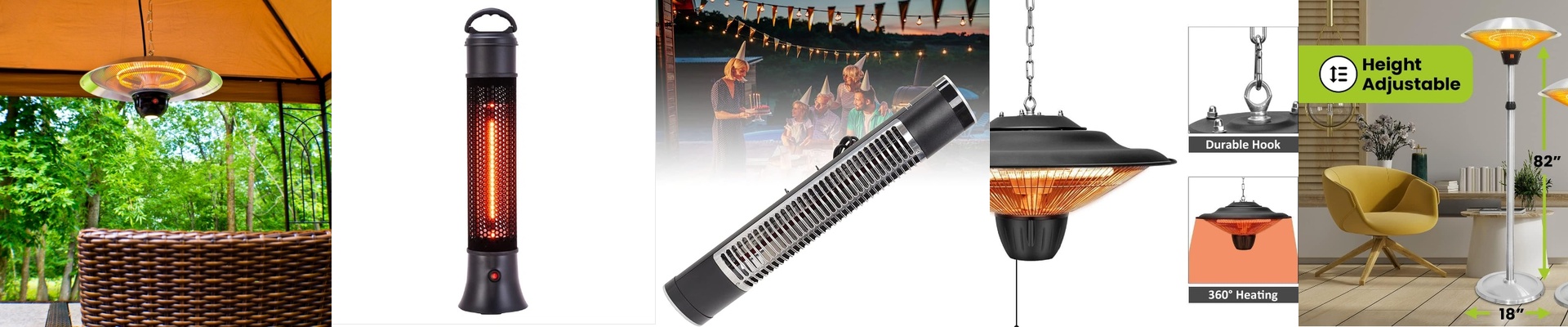
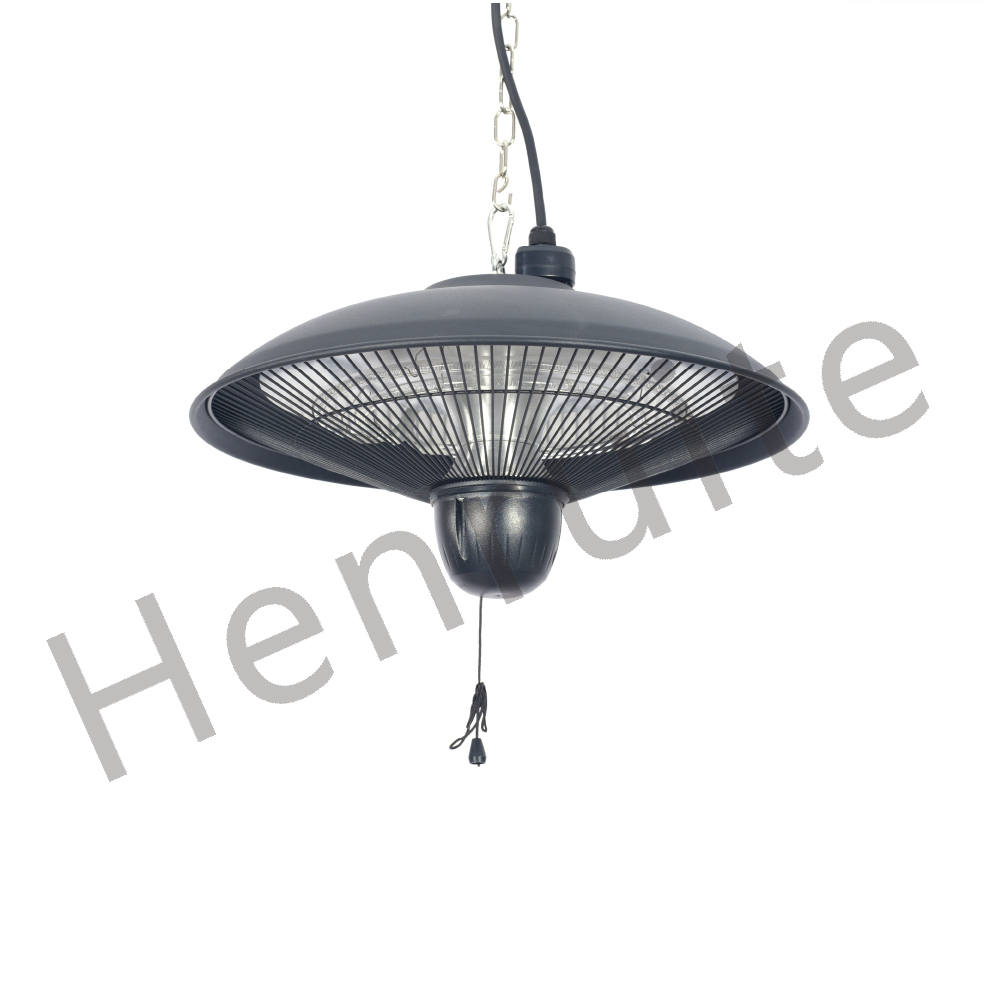
On a shop floor or in a drafty warehouse, cold isn’t just uncomfortable. It drags down pace and makes consistent quality a struggle. When the heating can’t keep up, you see sluggish starts, uneven temps, and equipment forced to work harder just to compensate. We built our heavy-duty infrared heaters to be more than a heat source—they’re practical tools for getting thermal energy where it needs to be, right where the work happens.
What matters under the hood
Heavy-duty infrared heating is all about direct radiant energy. It warms people, floors, and equipment directly—without wasting time heating the air. In our units, a high-output quartz element delivers focused warmth that responds quickly, so the space feels comfortable sooner. Specs are chosen for real work environments: solid housings, protective grilles, and mounting setups that stay stable. Controls stay straightforward—adjustable thermostats and multiple heat settings let you match output to the day’s load. For safety, you get overheat protection and tip-over shutoff. Electric operation means no combustion fumes indoors, and the directional heat pattern keeps warmth where you aim it.
Why this approach works in commercial settings
The payoff is steadier conditions and less waste. Radiant warmth supports consistent workflow by cutting down cold spots that cause delays and rework. Because the heat targets surfaces and people, you don’t have to overheat the air to feel comfortable, which can help keep operating costs in check. These heaters are easy to place overhead or on walls, so you can tailor coverage to aisles, workstations, and entry points. The result is a space that feels more stable, with fewer temperature swings that break momentum.
The details that make the difference
Heavy-duty electric heaters need the right electrical support. Plan on a dedicated circuit, and verify voltage requirements with your electrician before installation. For outdoor use, choose a model with a suitable IP rating and always provide weather protection. Clearances matter. Keep distance from combustible materials and maintain airflow around the unit. With proper placement, you get dependable warmth that stays out of the way and keeps your team working comfortably, season after season.