Why we stopped building “disposable” wall heaters
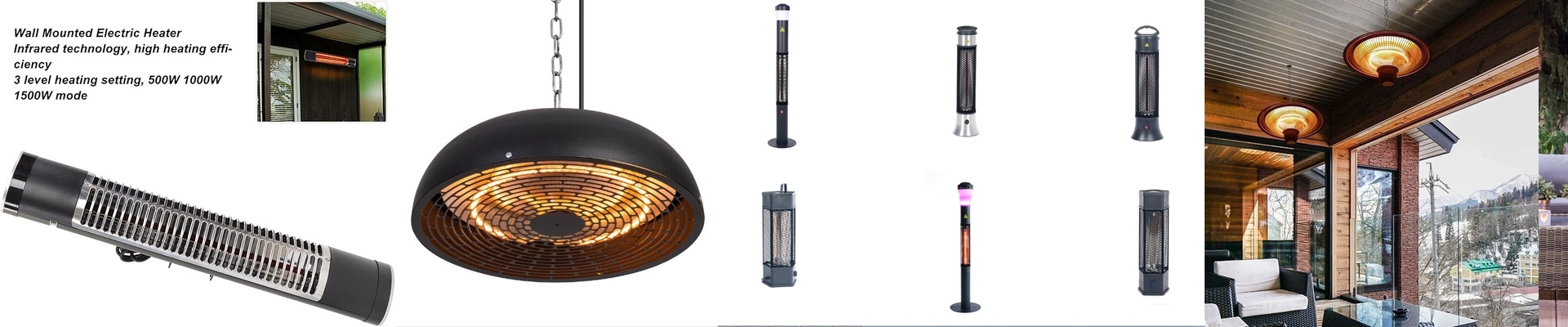
Most bathroom infrared heaters are a pain in the neck. They’re built as sealed units, which sounds great until five years down the road when a heating element finally gives up. Then, you’re stuck ripping the whole fixture off the wall just to fix one tiny part. It felt wrong. So, we changed it.
Making it easy to fix
We decided to treat the heating element like a lightbulb—something you just swap out when it’s gone. Instead of soldering everything together or gluing parts in place, we went with a plug-and-play setup. The heating tubes just sit in precision-milled brackets. If a tube burns out, you don’t toss the whole chassis. You just pop out the old module and slide in a new one.
No more hour-long headaches
In a standard unit, replacing a tube is a chore. You’re looking at an hour of disassembly and a lot of swearing. With our setup? You can have a new element wired up and running inunder ten minutes. We use standardized connectors, too. That means you can’t accidentally plug things in backward. Your maintenance team doesn’t need to spend half the morning staring at a complicated electrical schematic just to do a basic swap. They just get in, fix it, and get out.
The trade-off
Now, look, modular designs aren’t magic. Having more connection points means you have to be a lot more careful about how things fit. If the tolerances are off, things start to rattle or loosen up over time. To solve that, we added reinforced locking clips. They keep the tubes snug and secure, even as the metal expands and contracts from the heat.
Saving money (and the planet)
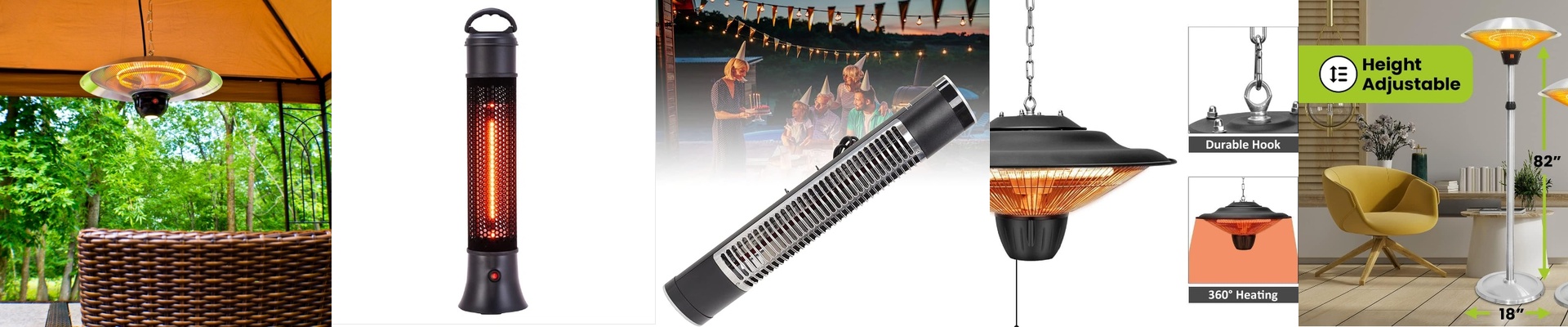
The real win here is how this affects your wallet. Instead of paying for a brand-new heater every few years, you’re just paying for a small component. The outer shell and the reflectors stay on the wall, doing their job. It’s a better way to do things. You get more uptime, you spend way less on labor, and you aren’t throwing a massive piece of metal into a landfill every time a wire snaps.