

Steam on the mirror, towels warm on the rack, and a blast of hot air that never quite makes it to the tile. In a basement bathroom, that cold doesn’t just ruin comfort—it hangs on your skin, pulls warmth from your muscles, and turns every shower into a trade-off. When the air stays damp and the floor stays cold, the bigger issue isn’t just discomfort. It’s how moisture and sudden temperature swings make a quiet routine feel like a safety risk.
What matters under the hood
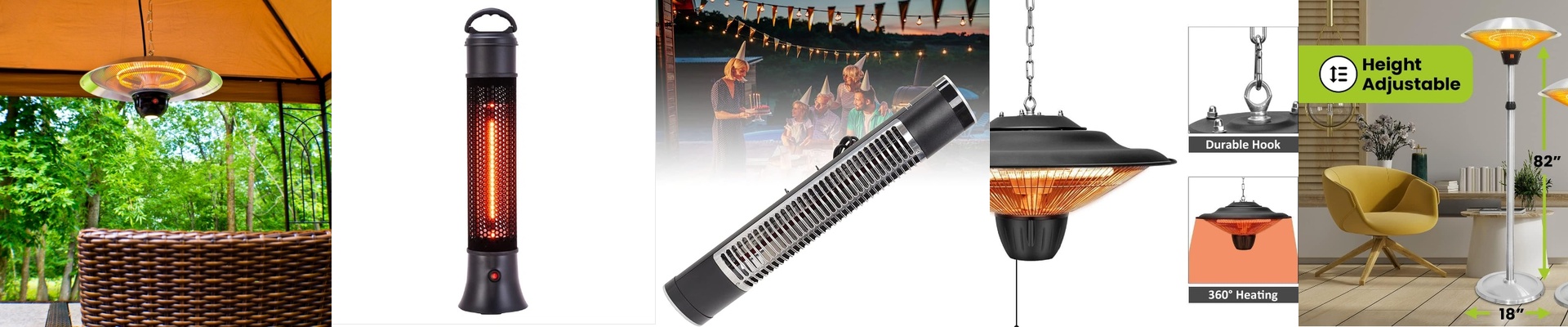
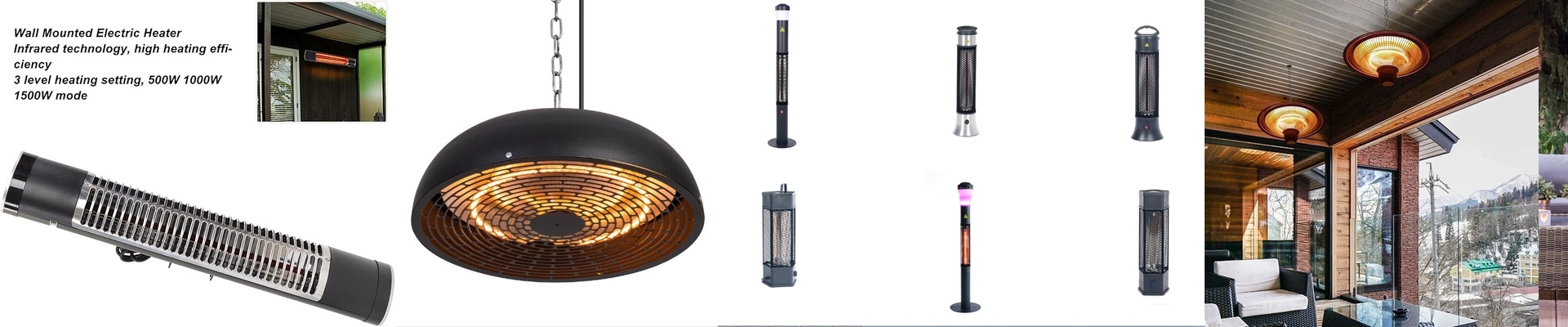
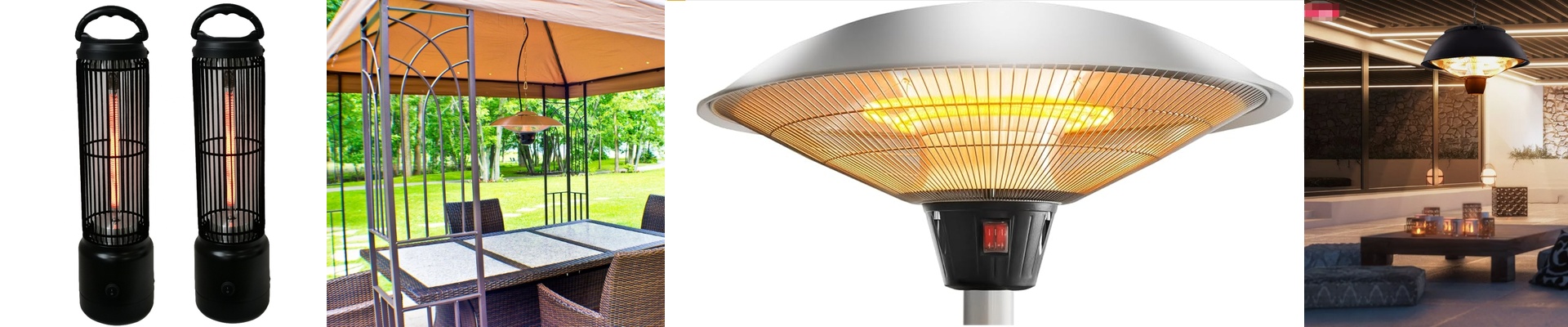
We built this basement electric heater around an infrared quartz heating lamp, because radiant heat warms people and surfaces directly instead of chasing air around the room. The core is a sealed quartz tube with an explosion-proof design, built to handle internal pressure and resist thermal shock. The element throws focused warmth with minimal visible glow, and the unit runs on standard household voltage, drawing a practical amount of power for a bathroom zone. A built-in thermostat holds a steady temperature, and tip-over protection cuts power if the heater gets knocked over.
Why this approach fits a basement bathroom
In a basement bathroom, safety and response time beat brute heat. The explosion-proof quartz tube keeps the heating element protected in a humid, enclosed space, and infrared warmth kicks in the instant the lamp lights—no waiting for a fan, no drafts, and no dry heat that leaves the floor freezing. You feel warmth on your skin, the tile stops feeling shocking, and the air stays more even. The payoff is a bathroom that feels genuinely comfortable, with fewer swings and a steadier feel during every wash and every bath.
The things you should know up front
This is an electric infrared heater, so it needs a dedicated outlet and should be hardwired where local codes require it. It performs best when aimed at seating or shower zones, and it won’t do the job of a whole-house system in a very large basement. For the best results, pair it with solid insulation and proper ventilation. Keep the quartz tube clean, and always respect clearance distances to avoid contact with water or combustible materials.