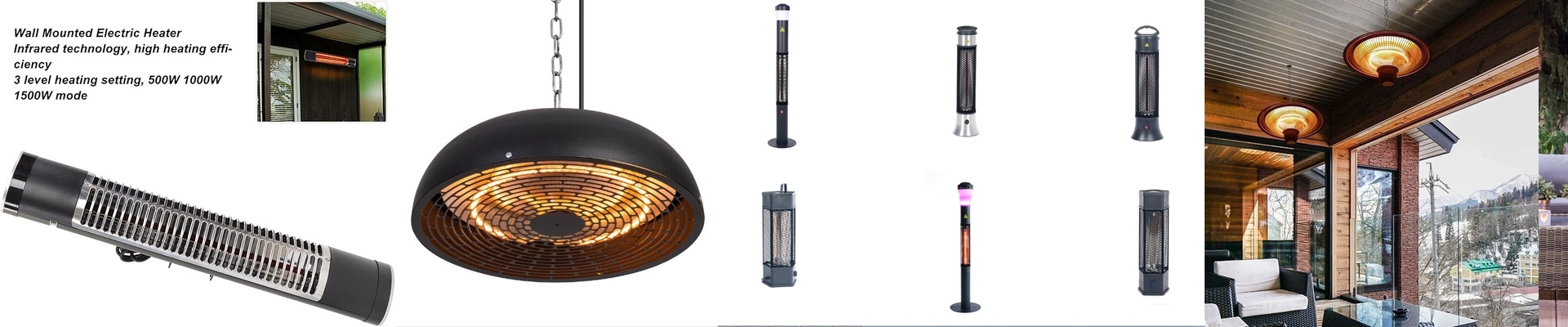
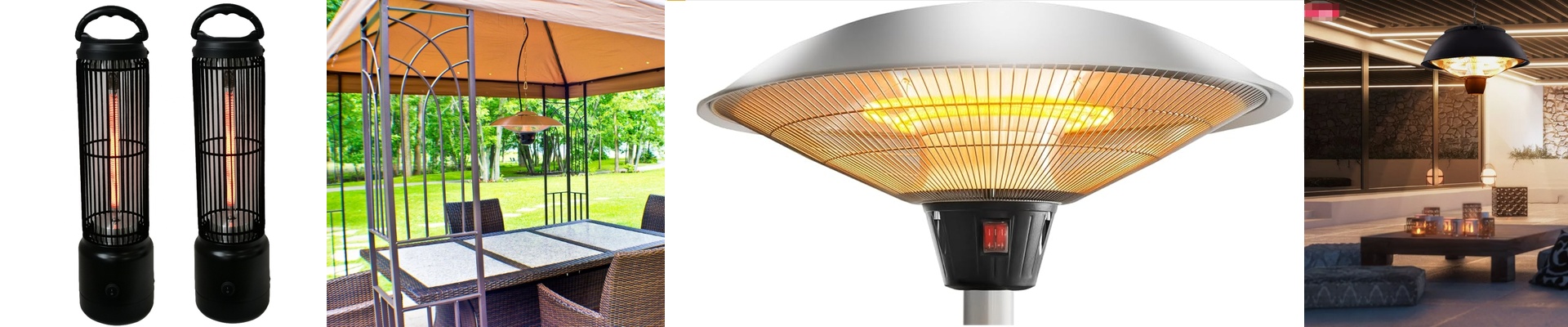
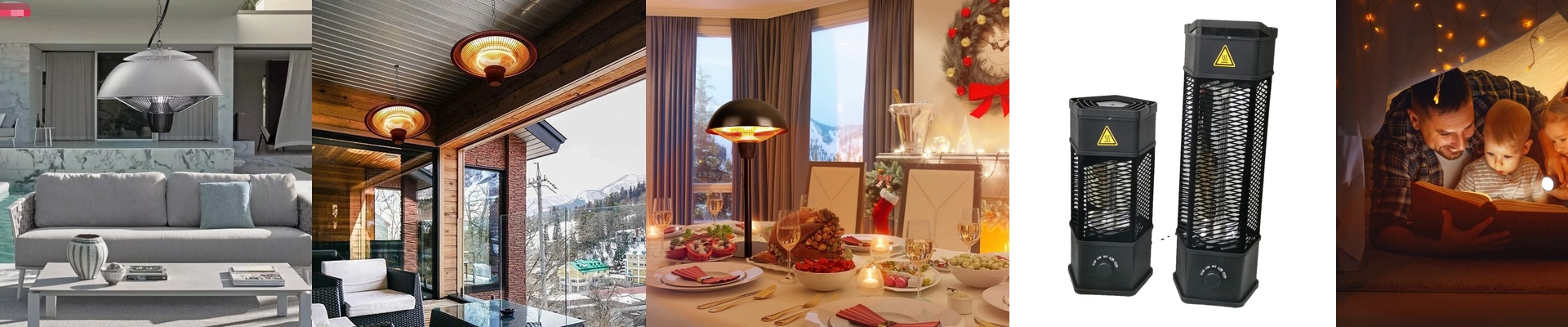
Stepping out of the shower into a bathroom that still feels damp and chilly is more than uncomfortable—it’s a daily jolt that sets the wrong tone. In a space where warmth directly affects how you feel, guesswork on heater sizing leads to cold corners, wasted energy, or an oversized unit that cycles on and off too fast. We built our mirror bathroom infrared heaters to solve that, starting with a simple principle: match wattage to the room’s real-world heat loss. What Matters Technically Infrared warmth is direct—energy travels outward and warms people and surfaces, not just air. In a mirror heater, a low-glare carbon fiber or quartz element delivers steady radiant heat, so you feel comfort almost immediately. For sizing, the practical rule is about 10 watts per square foot for average insulation; colder exposures or north-facing rooms often need closer to 12–15 watts per square foot. That is why we keep power options clear and scalable, typically from 1500 to 2400 watts, on standard 120V circuits, with built-in thermostats for consistent temperature control. Why It Works Here Bathrooms are small but demanding. You want warmth where you stand, and you want it fast. Infrared heats the tile, the mirror, and your skin—cutting the chill that clings after bathing and helping the room feel dry and cozy sooner. With the right wattage matched to your room’s orientation and insulation, you get even comfort without overshooting, so energy use stays sensible and the air feels less stuffy. Things to Know Installation is straightforward, but placement matters. The heater should be mounted at a safe height, clear of direct water spray, and on a dedicated circuit to avoid nuisance tripping. Expect a slight surface warmth on the mirror—normal for radiant units. If your bathroom has limited GFCI capacity, choose a model that fits your circuit and plan the wiring with a licensed electrician.