Making Bathrooms Actually Warm (Without the Wait)
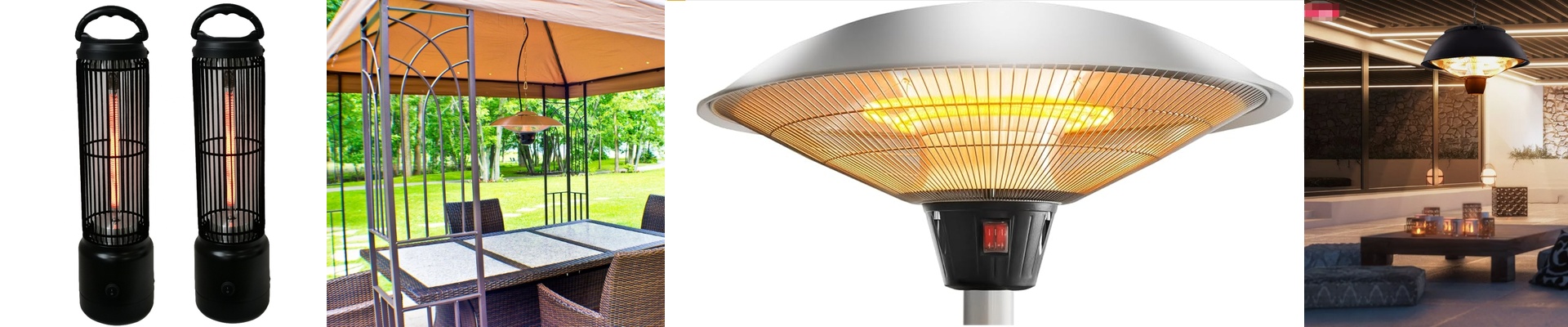
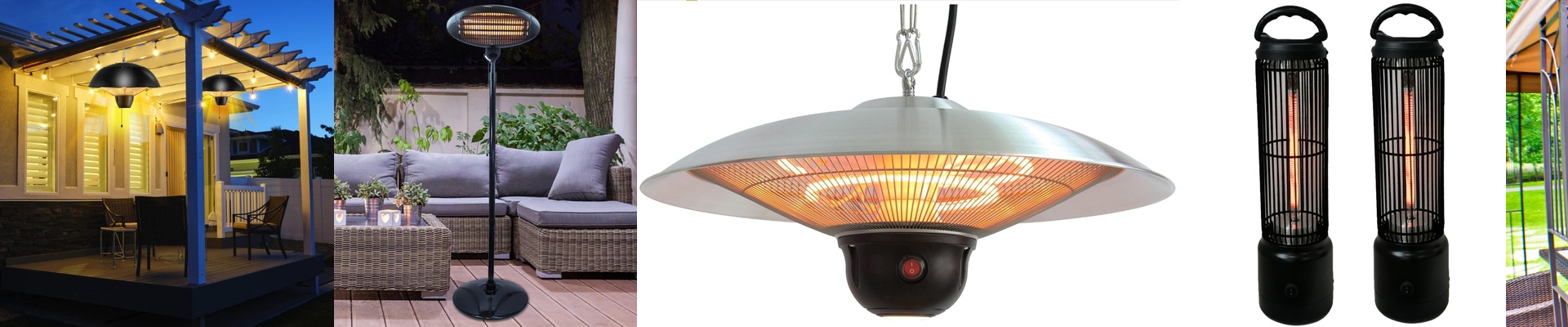
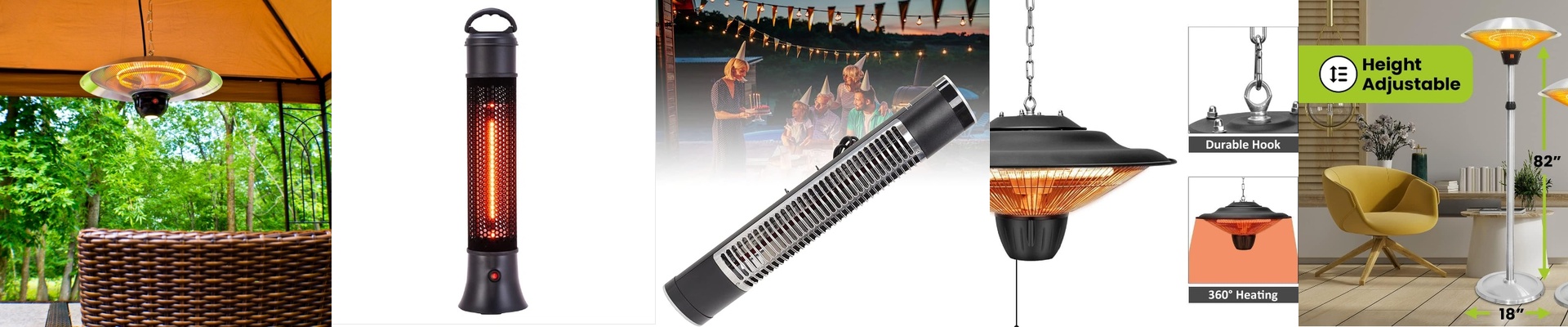
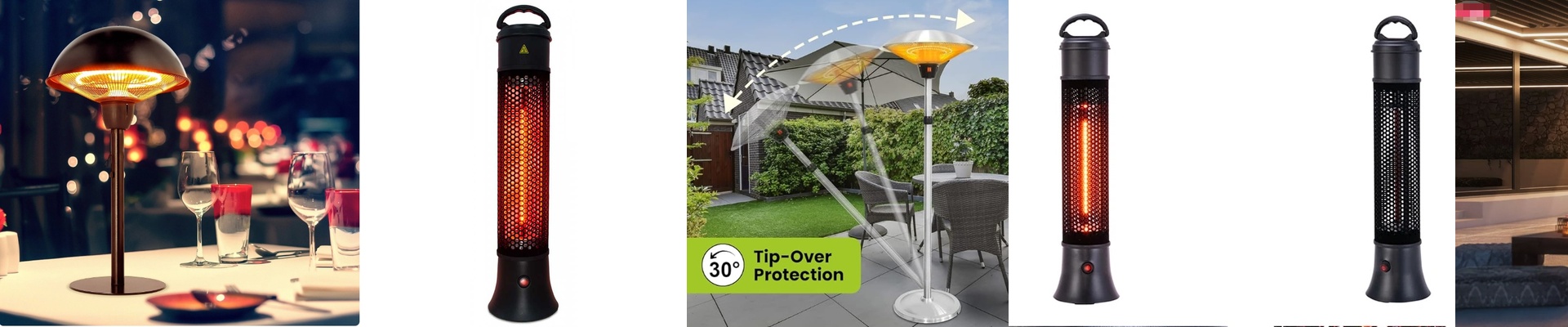
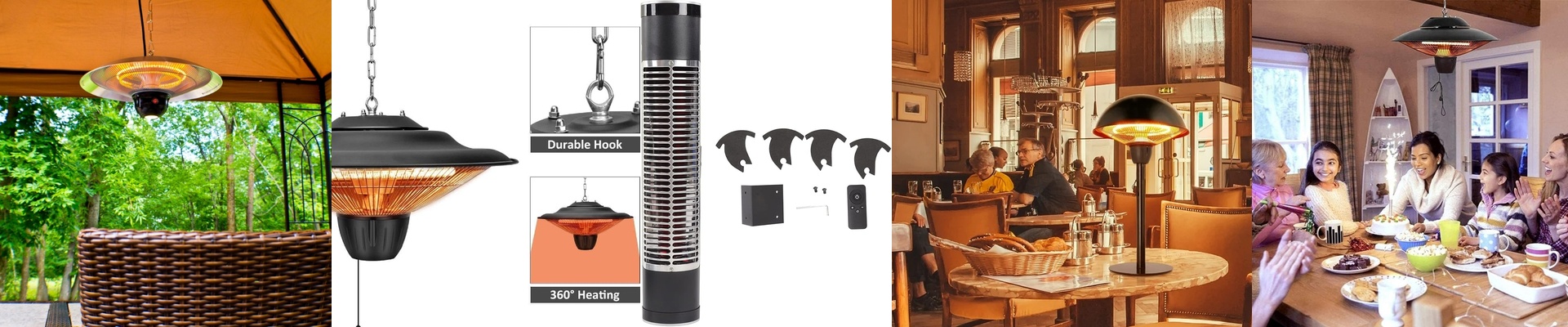
Nobody likes stepping out of a hot shower into a freezing cold dressing area. It’s a shock to the system. Usually, we try to fix this with standard heaters, but those just try to warm up the air. In a damp bathroom, that takes forever. That’s why we use shortwave infrared (SWIR). Instead of fighting the air, these lamps send heat directly to your skin and the surfaces around you. It feels like stepping into a beam of sunlight. You’re warm in seconds. No waiting around.
How the heat actually works
To get that “luxury hotel” feeling instantly, we go for high power density. Inside the unit, there’s a tungsten filament tucked into a quartz tube. When the power hits, it gets hot enough to throw out shortwave radiation. Here’s the cool part: this specific wavelength can cut right through steam and moisture. While other heaters get “blocked” by the humidity in a bathroom, SWIR punches through it so the heat actually reaches you.
Dealing with the damp
Bathrooms are basically a nightmare for electronics. Between the splashes and the steam, things tend to break. We wrap everything in IP-rated housings to keep water out and prevent short circuits. We also use heavy-duty R7s connectors because they don’t corrode or wiggle loose when the humidity spikes. Plus, we add specialized reflectors to make sure the heat is pointed exactly where it needs to go, rather than wasting it on the ceiling.
A few things to keep in mind
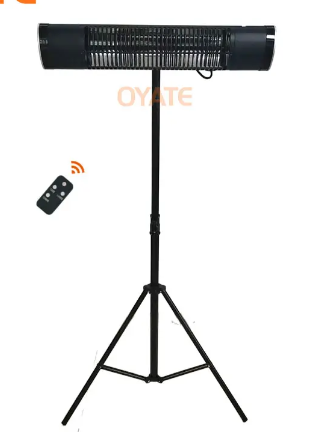
It’s a great setup, but you can’t just slap these anywhere. Because the heat is so intense and localized, placement is everything. If you mount them too low or crowd them together, you risk overheating the fixture or just making the user uncomfortable. And a heads-up on the electrics: these lamps pull a lot of power. You’ll need to make sure your circuit breakers can handle the initial surge and that your wiring is thick enough to avoid voltage drops. As long as your electrical footprint is up to the task, it’s the fastest way to kill the chill in a room.