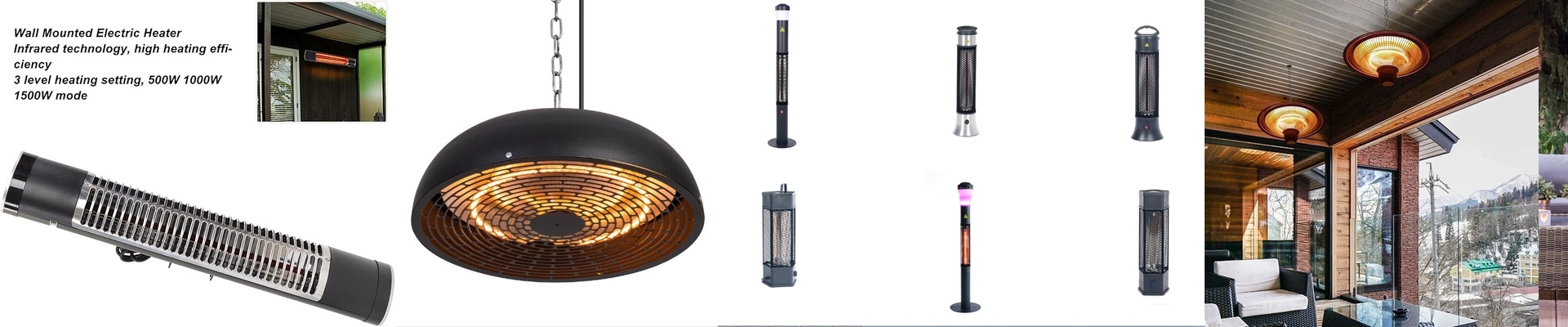
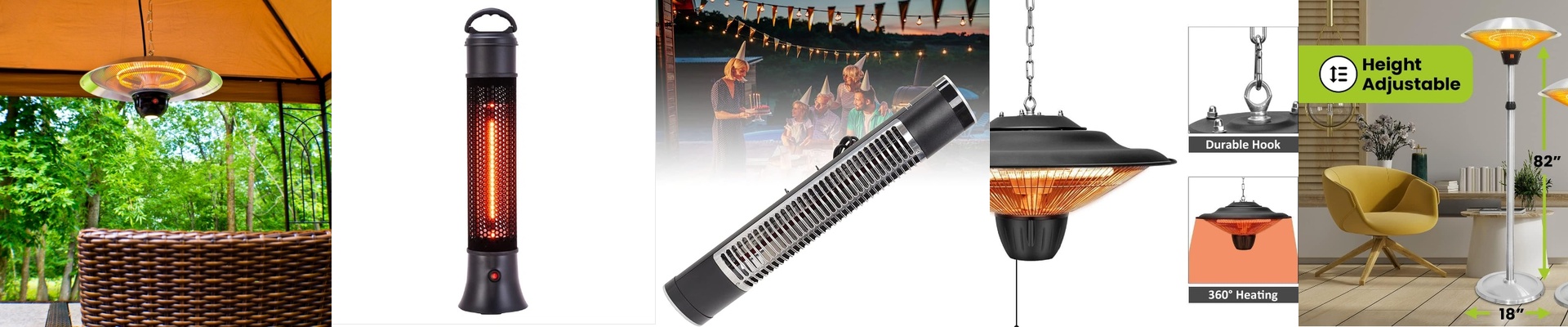
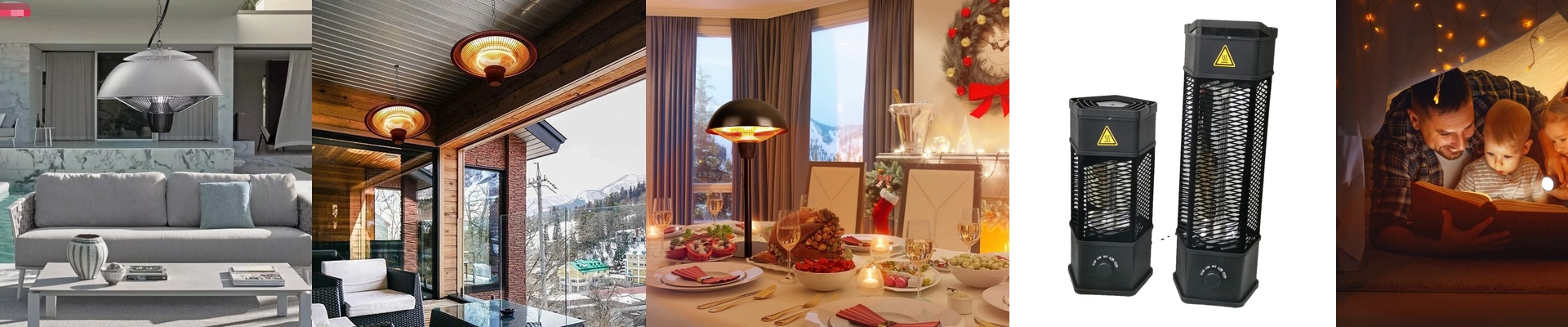
Why you should swap those old bathroom heat lamps for IPX5 infrared heaters
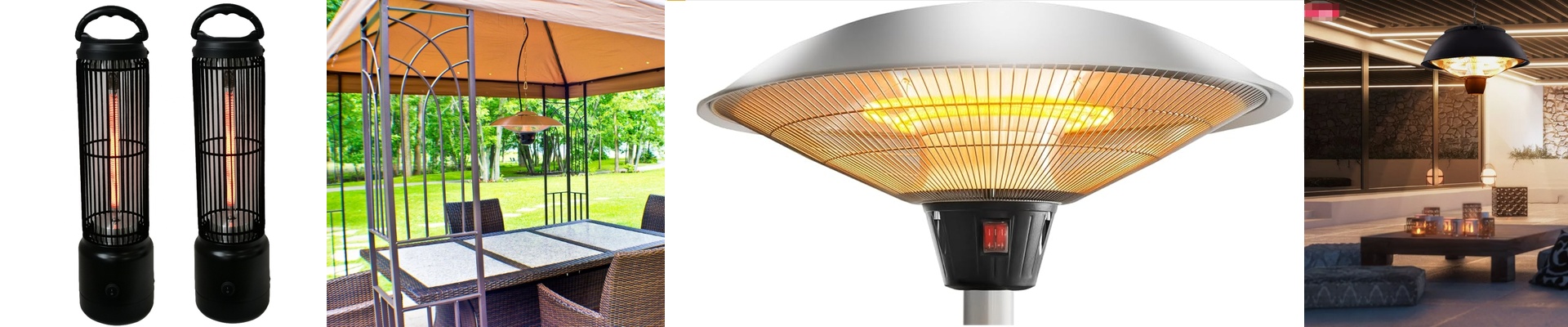
Let’s be honest: those old-school bathroom heat lamps are kind of a gamble. They’re basic, they’re barely protected from water, and half the time you’re still shivering while waiting for the air to actually get warm. That’s why we’re seeing everyone move toward IPX5-rated infrared heaters. It just makes sense when you think about how a bathroom actually works. The deal with IPX5 If you’ve never heard of an IPX5 rating, here’s the simple version: it means the unit can handle water jets hitting it from pretty much any angle. Think about your morning routine. You’ve got direct shower spray and thick steam filling the room. Standard heaters usually have tiny gaps where moisture sneaks into the electrical guts. That’s how you end up with a short circuit or a dead heating element. We fixed that by using reinforced gaskets and sealing the cable entries tight. It keeps the internals dry, which means the heater actually lasts. Instant heat, no waiting Here is the best part. Traditional heaters try to warm up the air. But if your bathroom is drafty, that heat just disappears. Infrared is different. It doesn’t care about the air; it goes straight for your skin and the surfaces around you. It’s like stepping into a beam of sunlight. You flip the switch andboom—you feel it instantly. No more shivering in a towel while the room slowly catches up. A quick heads-up on the tech Now, there’s a trade-off. Because we seal these units so tightly to keep water out, the air doesn’t move around the inside as easily. To keep things safe, we’ve tuned the thermal cut-off switches to be a bit more sensitive. If you cram the unit into a tiny ceiling space without any breathing room, the safety trip might kick in more often. Just give it some space to breathe and you’re golden. Getting it installed We designed these to be a simple swap. They use standard mounting brackets, so you can just drop them right in where your old lamps were. One thing to keep in mind: these pull a decent amount of power. You’ll want a dedicated circuit so you don’t keep tripping your breakers every time you want a warm bathroom. And if your home’s wiring is from the 70s or 80s, it might be worth having an electrician check if your cables can handle the load.