Getting Glass Tube Cutting Right (Without the Headaches)
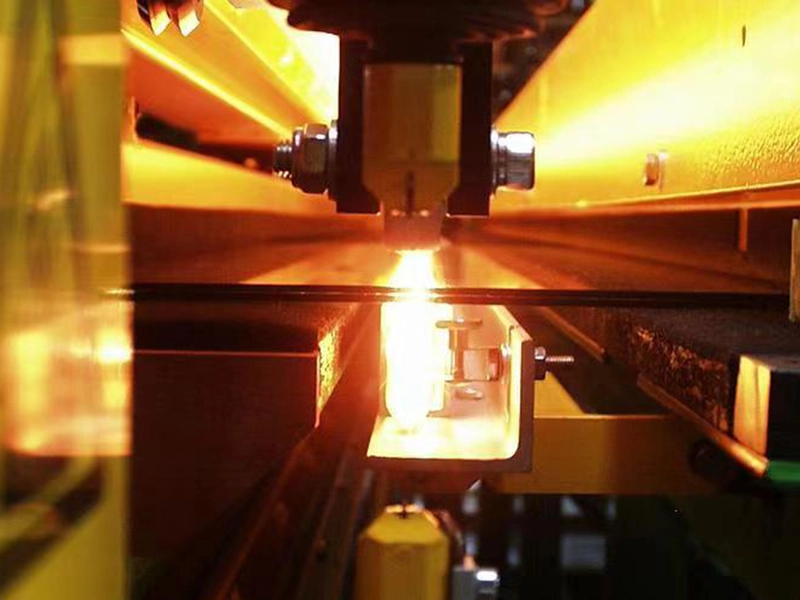
If you’ve ever run a continuous production line for glass tubes, you know the struggle. Thermal management is a nightmare. If your heat isn’t exactly where it needs to be the moment that cut happens, you’re looking at stress fractures or jagged, uneven edges. It’s frustrating, and it wastes material. That’s why we lean on shortwave IR lamps. They’re fast. Like, blink-and-you-miss-it fast.
Why speed actually matters here
Most standard resistive heaters are just too bulky. They have way too much “thermal mass,” which is a fancy way of saying they take forever to warm up and even longer to cool down. But in an online annealing setup, your glass is moving. Fast. You can’t wait around for a heater to catch up. You need a heat source that hits peak temperature the exact millisecond the tube hits the zone. Shortwave IR handles this by punching right through the glass surface and dumping energy directly into the material. It lets you keep a tight thermal profile without having to slow your entire line to a crawl.
Balancing the heat
Annealing is really just about getting rid of internal stress. To do that, we use lamps that pack a lot of heat into a very small space. By concentrating the energy, you can soften the glass right at the cutting point without affecting the rest of the piece. But you have to be careful with the wattage. If you cram too many kilowatts into one short section, you’ll overheat the tube wall. Plus, you’ve got to make sure your cooling system can handle the “bleed”—that ambient heat that leaks out from the lamps. If you don’t, you might find your surrounding machinery starting to warp. Not a great look.
The real-world stuff: Maintenance
We build these systems so you can swap parts quickly. We use standard connectors, so when a lamp finally burns out, you just pull it and wire in a new one. No need to tear down the whole heater block. There is a catch, though. These lamps are incredibly sensitive to dirt. A single fingerprint or a tiny smudge of oil on the quartz envelope creates a hot spot. That hot spot will eat through the lamp, and it’ll burn out way sooner than it should. Keep them clean. It sounds simple, but it’s the only way to actually get the service life you paid for.