Stop Messing Around with Single Lamps: A Better Way to Anneal Glass
Most glass lines start the same way. You buy a bunch of infrared lamps, wire them up by hand, and just… hope for the best. You hope the heat stays even across the conveyor. But usually, it doesn’t. You end up with cold spots, internal stress in the glass, and a lot of wasted man-hours. It’s a headache.
Why we switched to modules
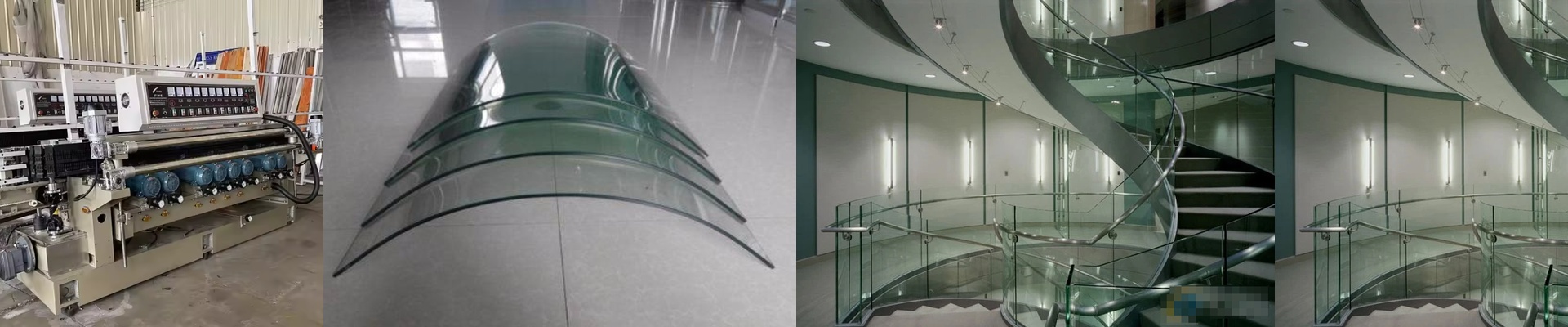
We realized that sending someone a box of quartz tubes wasn’t actually helping them. So, we stopped doing that. Now, we build curved heating modules. Think of it as a pre-assembled, bent-frame kit. We handle the tedious stuff—the alignment, the wiring, the reflector angles—long before the unit ever leaves our shop. When it arrives at your door, you just drop it into your machine and flip the switch. It’s that simple.
Getting the heat where it actually needs to go
If you want to get rid of internal stress without scorching the surface, you need a precise temperature gradient. By curving the modules, we basically wrap the heat around the glass. This lets the IR radiation hit the target from multiple angles instead of just blasting it from one direction. Now, here’s the catch. We use high-wattage shortwave lamps to keep your throughput fast. But when you pack that much power into a tight, curved space, things get hot. Really hot. You’ll need to make sure your cooling fans and vents are up to the task, or you’re going to melt your wiring and housing.
No more on-site nightmares
Building a heater on your own shop floor is a gamble. You’re dealing with fragile quartz that can snap in a second and endless connector terminations that take forever. Our modular setup kills that risk. We test the electrical continuity and the thermal output in our own facility first. You get a system that just works. No need to hire a specialist to spend three days calibrating lamp spacing or praying that the wiring holds. You just plug it in and get back to work.