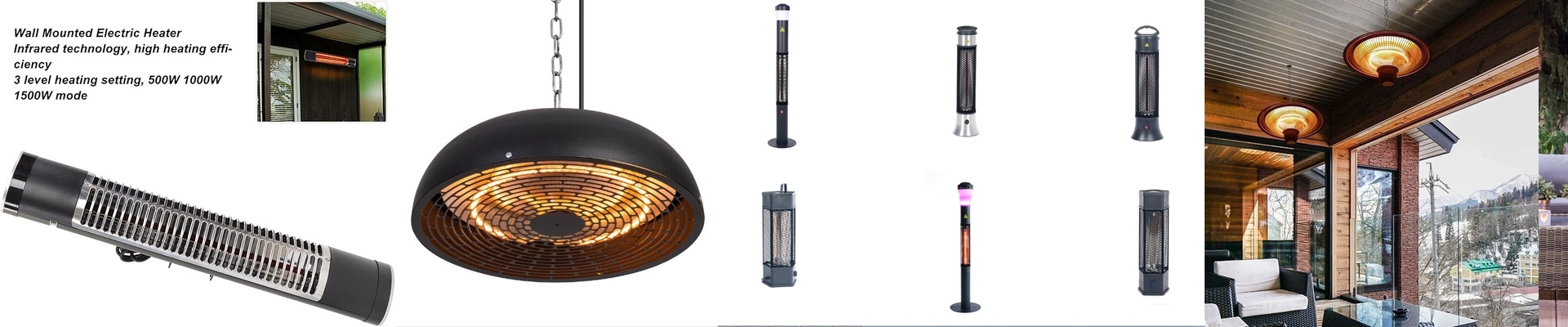
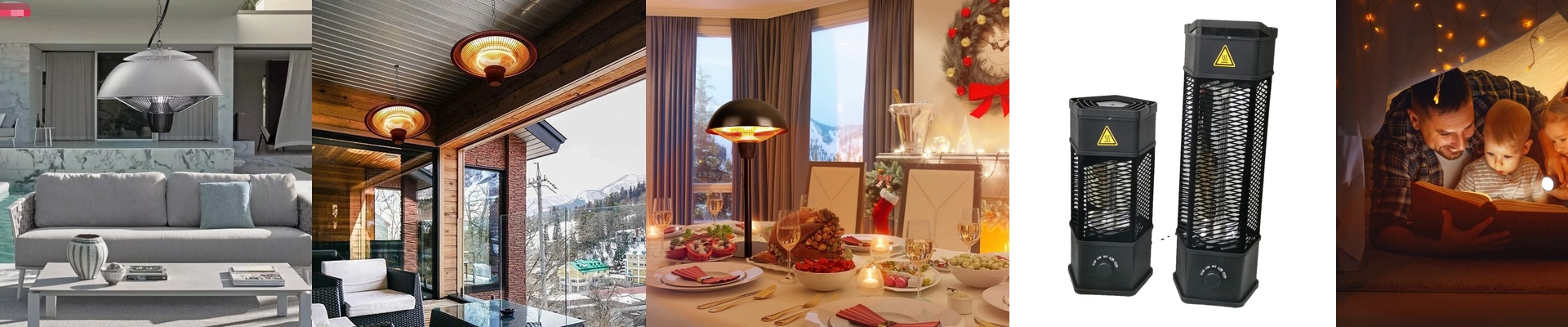
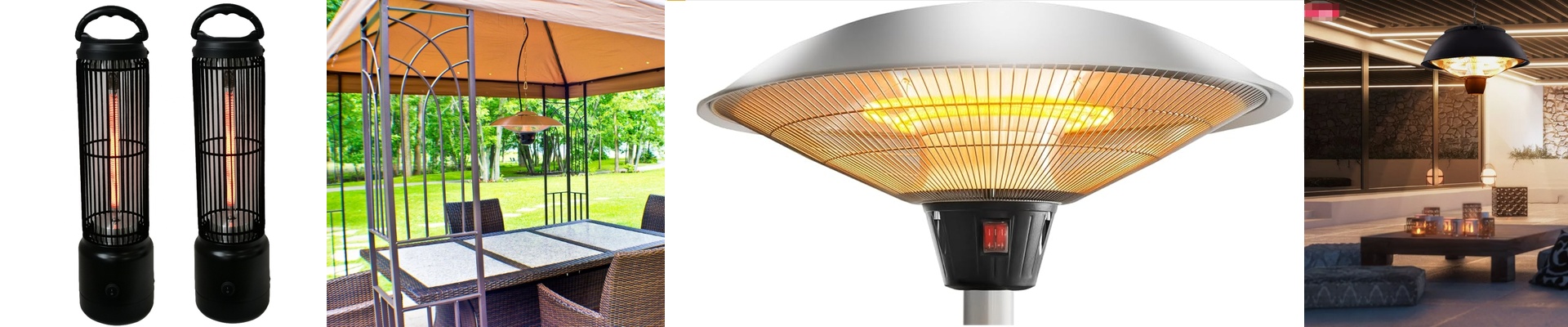
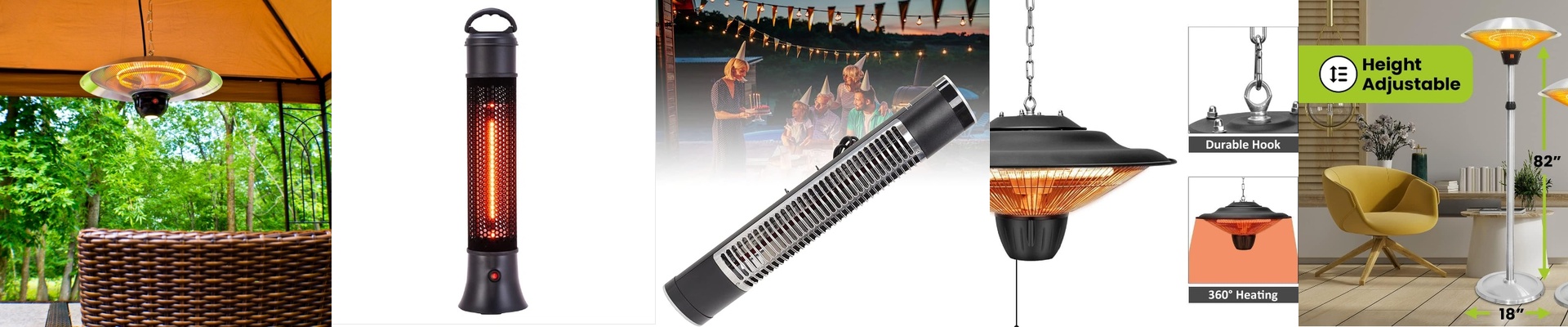
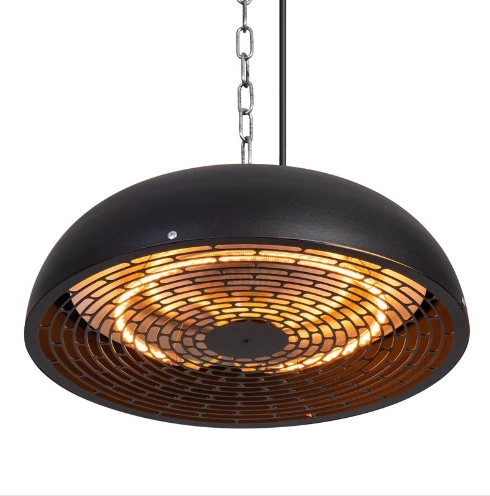
Cold morning in the caravan? The air hits you. Flip the switch and you don’t wait around. Infrared warmth opens up across the space, taking the bite off walls and floors, turning the place into somewhere you actually want to be. That instant response isn’t just a convenience—it’s what turns the start of the day from a rush into a calm routine.
What’s actually going on under the hood
A caravan infrared heater works on radiant heat, not on warming the air. The quartz tube heats a filament fast, and the energy comes out as infrared. You feel it within seconds, right where it’s aimed. Most units come in 12V or 230V, so they’ll match up with common caravan hookups and battery setups. The footprint is tight—often under 30 cm in length—so you can mount it where space is tight. A protective guard keeps fingers off the hot bits, and built-in thermostats hold a steady comfort level. Tip-over protection shuts the unit down if it gets knocked over.
Why this approach fits a caravan
Caravans shed heat quickly overnight. With a convection heater, you end up chasing warmth around a thin interior. Radiant heat travels in straight lines and warms people and objects first. So you feel cozy sooner, with less back-and-forth. Mornings get easier. Clothes don’t feel as damp, hands stay nimble, and the space feels less drafty. Because the heater fires up on demand, you get a small, predictable routine: switch on, warm up, get on with the day—no waiting around for the whole air volume to shift.
What to keep straight in practice
Infrared heat is direct and local. It’s excellent for warming the immediate area, but it doesn’t heat the air, so drafts can still feel cool.Position the heater to face the main seating or bed area, and think of it as maintaining comfort rather than chasing extreme temperatures. Match the power draw to what your supply can handle, and make sure the outlet and wiring are rated for the unit. Keep the heater clear of fabrics and walls, and stick to the clearance distances in the manual.