
Making Bathroom Heaters That Actually Work (And Won’t Hurt Your Eyes)
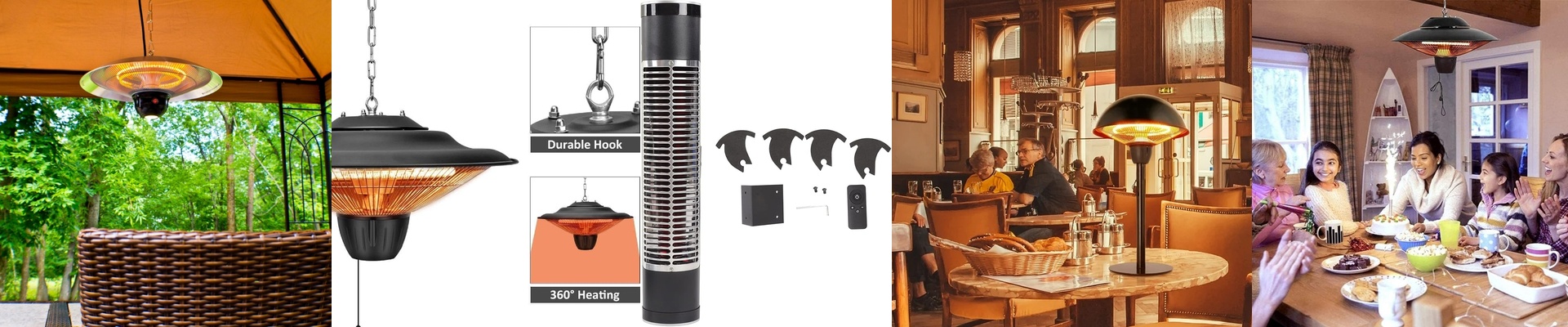
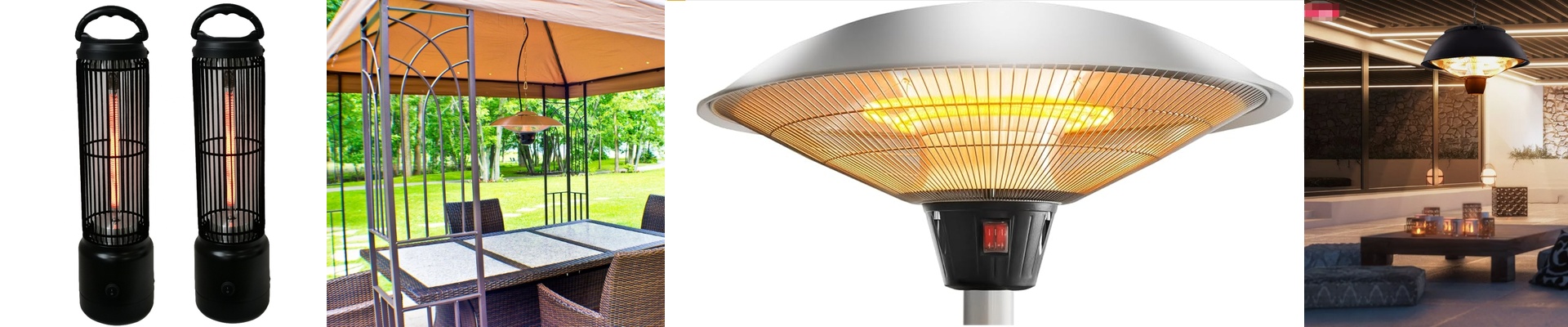
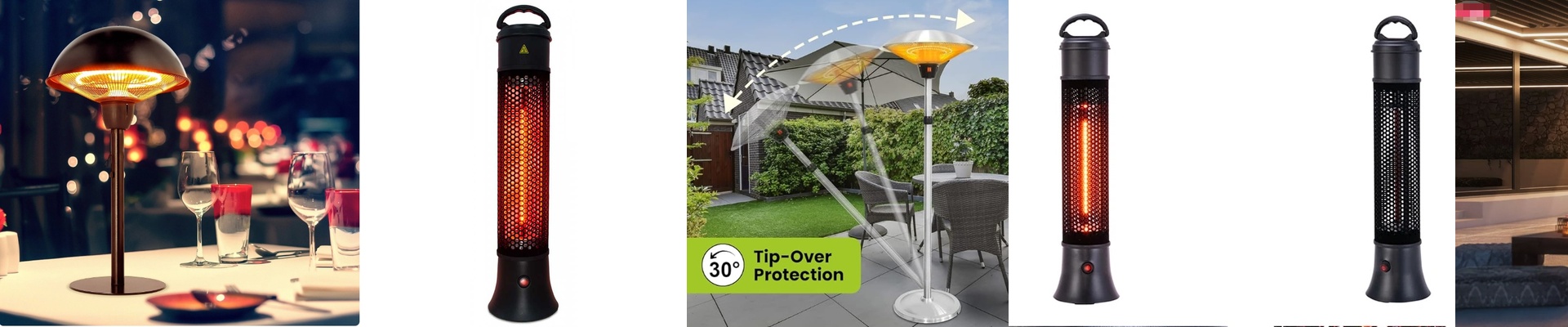
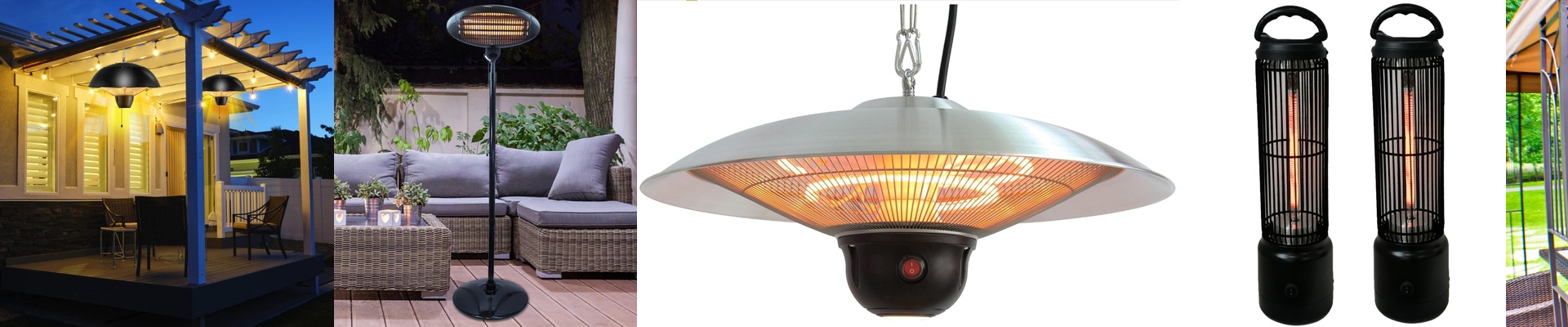
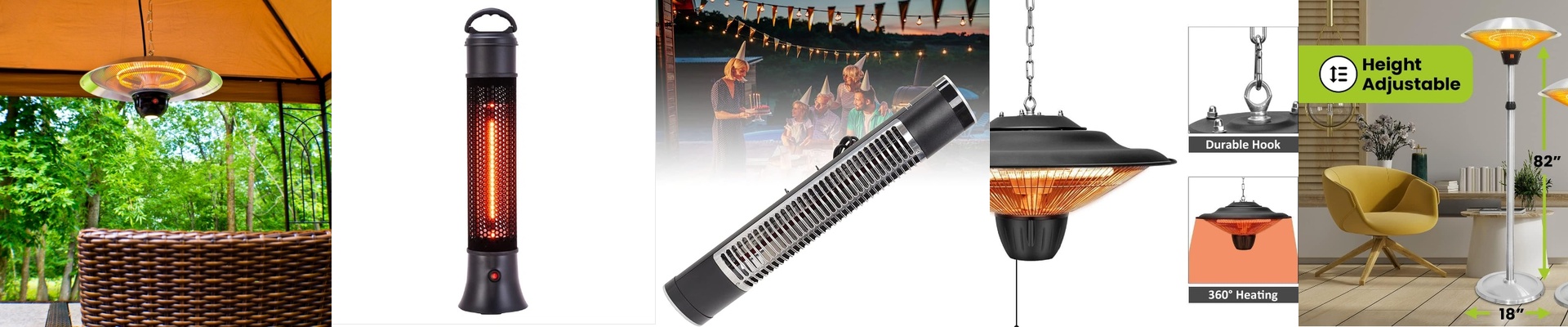
When you’re building a bathroom heater, you can’t just throw a bunch of wattage at the problem and call it a day. There’s a tricky balance to hit. You want that instant, cozy heat, but you also have to make sure you aren’t risking retinal damage—which is a huge deal when you’re thinking about babies and kids in the tub. The trick is in the light. Most cheap infrared lamps just blast everything at you, including that blinding glare that makes you squint. We don’t do that. Instead, we use specific quartz coatings and filaments to shift where the energy goes. Basically, we push the energy away from the visible light and move it into the long-wave infrared spectrum. You get all the warmth on your skin, but none of the blinding light. It’s just physics, really. Then there’s the humidity. Bathrooms are absolute nightmares for electronics. Between the steam and the occasional splash, most gear just gives up. If you don’t seal the housing right, your wiring will oxidize and fry within six months. That’s why we stick to an IP55 standard. We use silicone gaskets and sealed cable entries so the unit can handle dust and water jets coming from any direction. It just stays dry. A few things to keep in mind for the install. These lamps put out a lot of concentrated heat. If you try to put them in a cheap plastic box, the housing will warp. It’s just not going to work. We use aluminum heat sinks to pull that heat away from the electrical parts. But here’s the catch: those same IP55 seals that keep the water out also trap some heat inside the chassis. Because of that, you’ve got to make sure your mounting bracket leaves enough room for airflow. Give the unit some breathing room, and it’ll last a lifetime.