
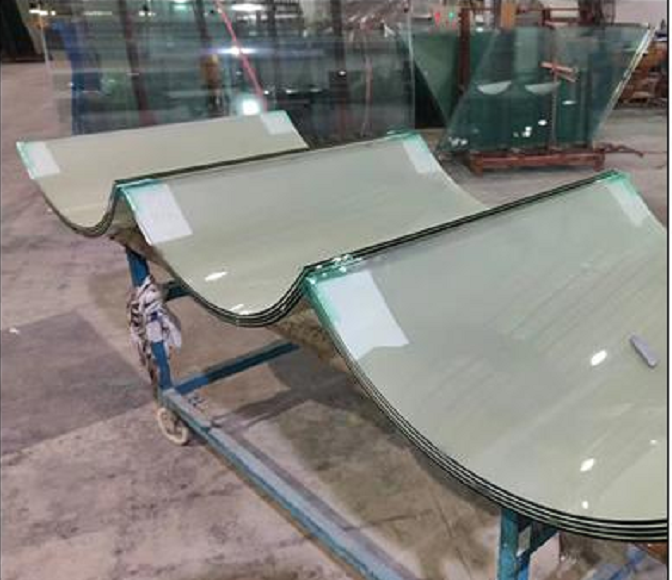
Getting High-Density IR Heating into Mobile Glass Brackets
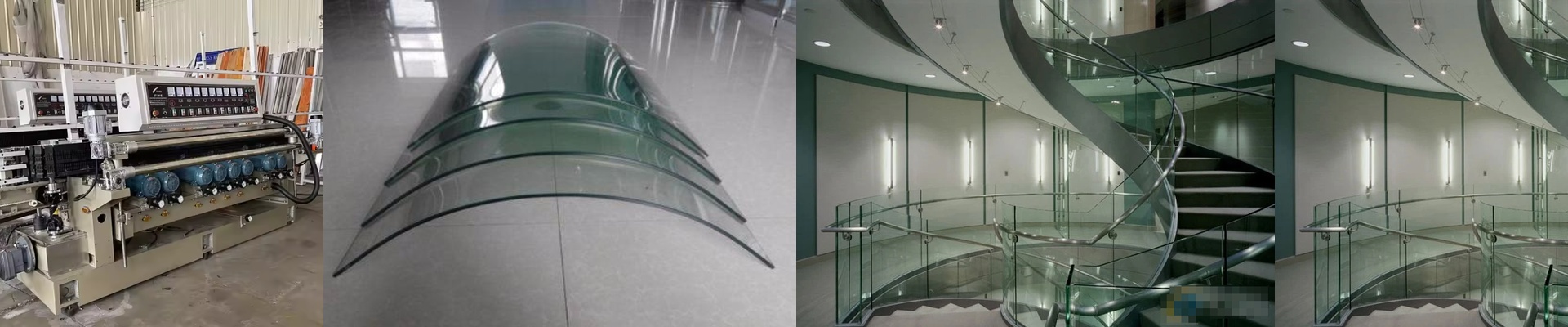
When you’re fixing glass on the go, you’ve got a real problem: you need serious heat, but you have almost zero room to work with. You can’t exactly lug an industrial oven to a job site. You need something that gets that glass tube up to annealing temperature fast, but without frying your power supply or melting the very bracket holding the piece. The struggle with small spaces To get enough heat into a tiny setup, I always lean toward shortwave infrared (SWIR) elements. Here’s the thing: these lamps push energy into a narrow spectrum that actually sinks into the glass, rather than just bouncing off the surface. Since space is your biggest enemy in a mobile rig, we use high-watt-density quartz tubes. It lets us keep the lamp short and sweet while still packing enough punch to soften the glass for reshaping. Dealing with the power Putting these into a mobile rig means you’re fighting with limited voltage. Nobody wants a bulky, heavy transformer hanging off their gear. We match the lamps exactly to whatever power you’ve got available. Whether you’re plugging into a standard 220V outlet or using a DC-to-AC circuit, the resistance has to be spot on. And because these things move around, we use reinforced connectors. There’s nothing worse than a wire shaking loose right in the middle of a delicate bend. The heat trade-off Here is the catch. When you cram that much heat into a small area, you create hotspots. Sure, the SWIR lamp gets the glass hot quickly, but the bracket frame is going to soak up that heat too. If you don’t use heat shielding or some kind of active cooling, you’re asking for trouble. Without proper venting, the ambient heat will eat your lamps for breakfast and might even warp the bracket’s alignment. That’s why we make these “drop-in” replacements. When a tube finally gives out, you just swap it in a couple of minutes and get back to work. No need to spend an hour recalibrating the whole rig.