Getting Glass Annealing Right with Spectral Matching
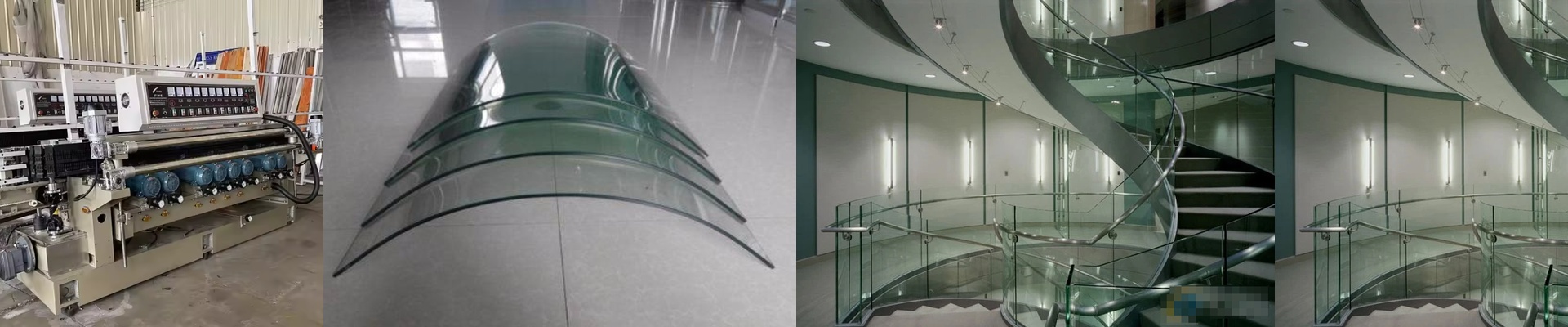
Most infrared heaters are kind of wasteful. They pump out energy, but if that energy doesn’t “match” what the glass actually wants to absorb, a lot of it just bounces off the surface. It’s like trying to unlock a door with the wrong key—you’re putting in the effort, but nothing is happening. This gets even trickier when you’re working with glass additives. That’s where we come in. We tweak the infrared spectrum so it hits the exact absorption peaks of those additives. Instead of the heat sitting on the surface, it actually sinks in. Hitting the Sweet Spot Every additive has its own “fingerprint.” If you just throw a generic short-wave lamp at a specialized compound, you’re asking for trouble. You’ll end up with uneven heating and internal stress that can ruin a batch. We fix this by picking specific emitter materials and coatings to shift the wavelength. When the emission curve lines up perfectly with the additive’s absorption peak, the glass sucks up the energy much faster. The big win here? Your glass spends way less time sitting in the annealing lehr. The Trade-offs Now, there’s a catch. To get that custom spectrum, we have to mess with the filament composition or add selective coatings to the quartz envelope. It makes the heat transfer incredibly efficient, but it can be hard on the lamp. A narrow-band emitter that hits hard and fast might burn out quicker than a standard, broad-spectrum one. It’s a balancing act. You have to decide if the extra speed is worth a more frequent maintenance schedule. Real-World Setup Once you get this system wired up on the floor, you can’t just “set it and forget it.” Because the heat transfer is so aggressive, the glass can overshoot its target temperature in a heartbeat. To keep things from melting down, I always suggest using high-speed pyrometers. And a heads-up: check your cooling system. If it wasn’t built for this kind of throughput, you’re just going to create a bottleneck at the end of the line. This setup is really for the folks in labs or high-end production who need their thermal distribution to be spot on. No compromises.