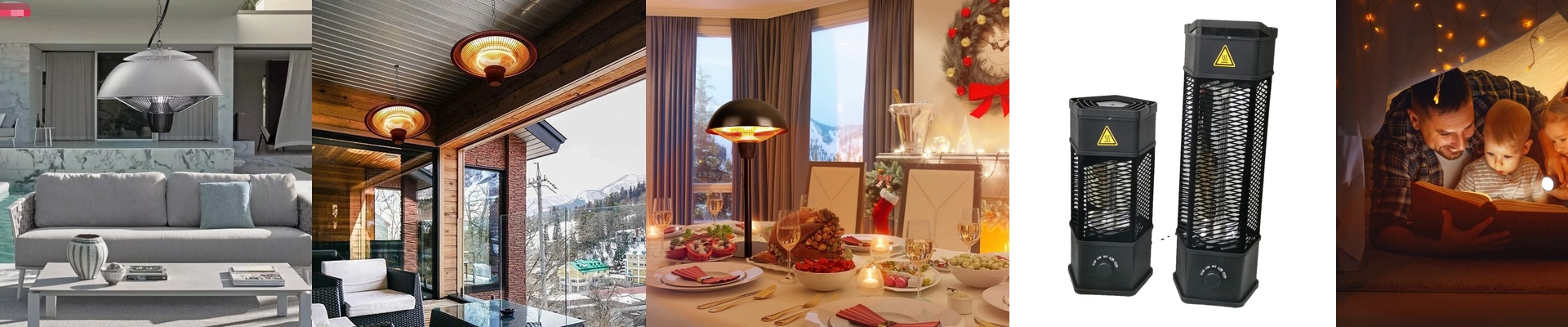
Stop the Bathroom Mold Struggle: Why Infrared Actually Works
Most people think a bathroom heater is just about not shivering while you towel off. But we look at it differently. For us, it’s not just about the warmth—it’s about fighting that annoying, damp feeling and the mold that always seems to find a corner to hide in.
The secret is in the waves
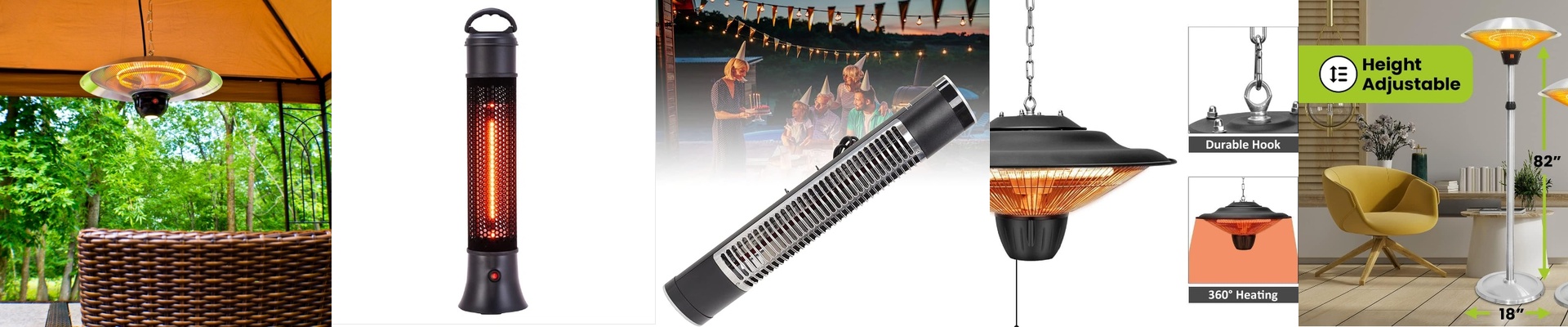
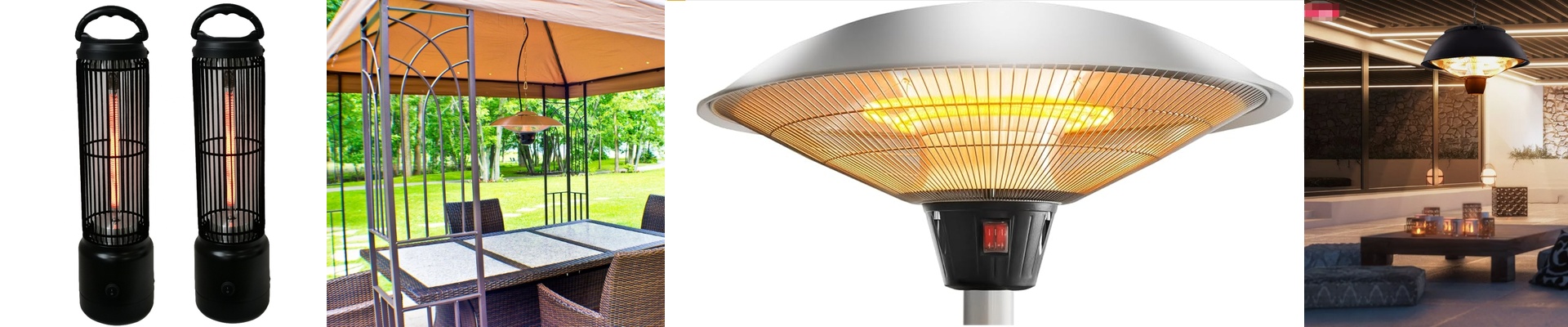
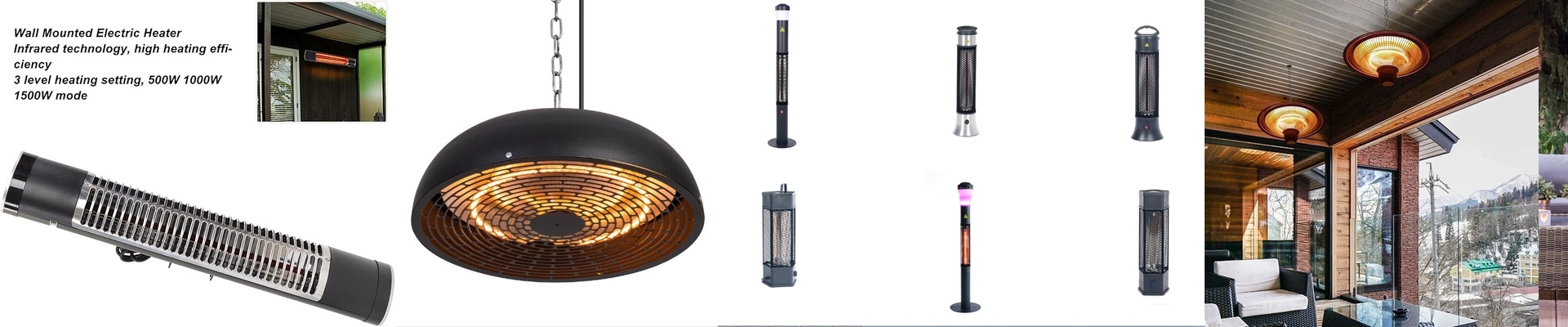
Here is how it actually works. Most heaters just warm up the air, which is fine, but it doesn’t do much for your dripping walls. We use short-wave and medium-wave infrared. Instead of heating the air, these waves go straight for the surfaces. When they hit your wet tiles or walls, the water molecules soak up that energy and evaporate way faster. Mold loves a damp, stagnant wall. By drying those surfaces quickly, you basically starve the mold before it even has a chance to start. It’s a much smarter way to keep things clean.
Built for the steam
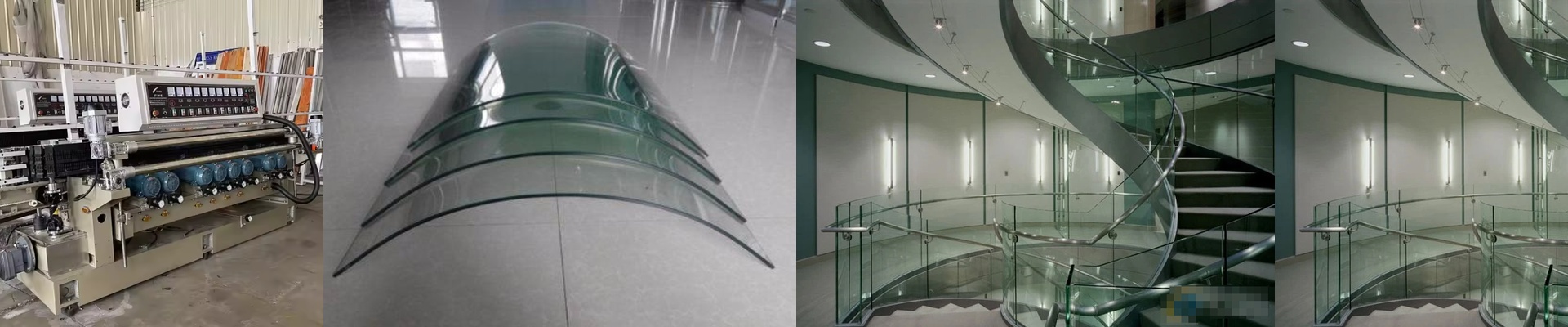
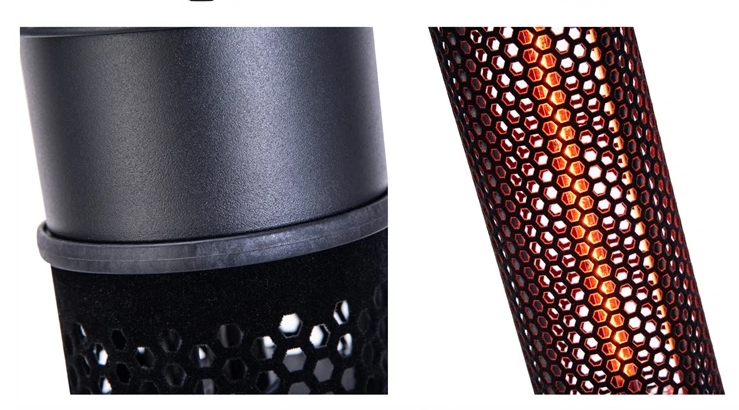
Bathrooms are brutal on electronics. Between the steam and the occasional splash, most heaters just give up after a while. That’s why we use an IP65 rating. In plain English? It means the unit is dust-tight and can handle water jets without breaking a sweat. We also use tempered glass and alloys that won’t pit or corrode, so it actually looks new for years, even in a humid room.
It’s more than just “heat”
The warmth you feel is great, but the real goal is getting the moisture out. By warming up the perimeter of the room, the heater stops condensation from settling on cold walls in the first place. No more “sweating” walls. But you have to get the sizing right. If you put a massive, high-wattage heater in a tiny bathroom, you’ll be roasting in a sauna before the humidity even drops. Go too small, and your walls stay damp. We usually suggest looking at the total surface area of your “wet zone” to figure out the right kW output. And just a heads-up: you still need a fan or a window. You’ve got to give that evaporated moisture a way to leave the room, otherwise, you’re just moving water from the wall into the air.