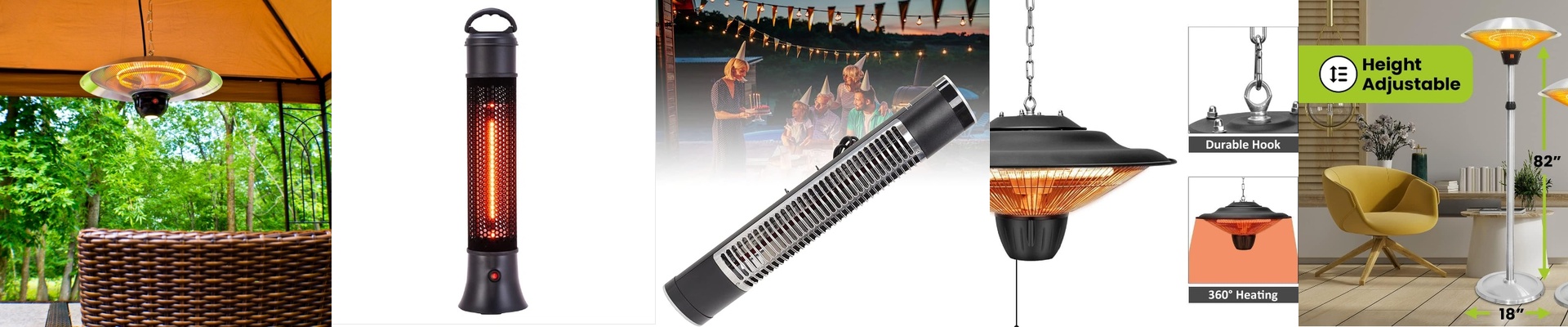
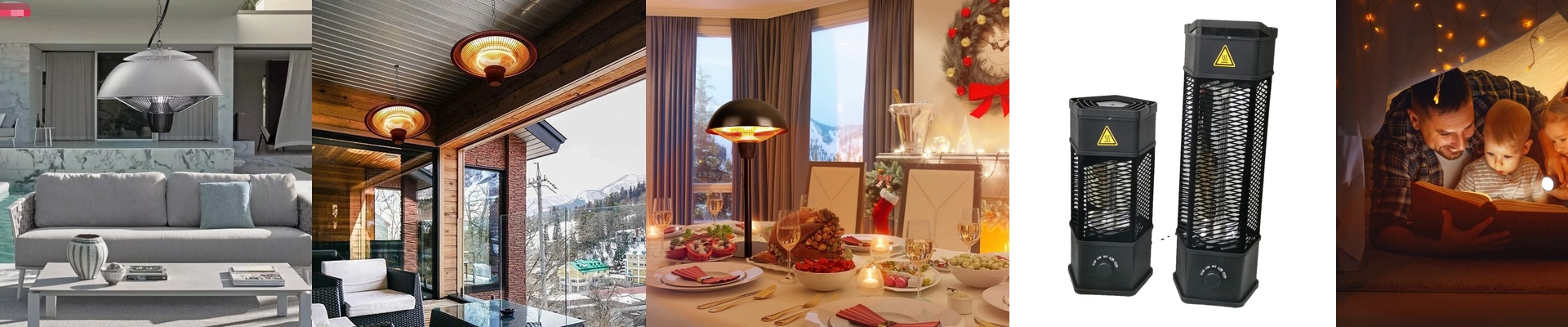
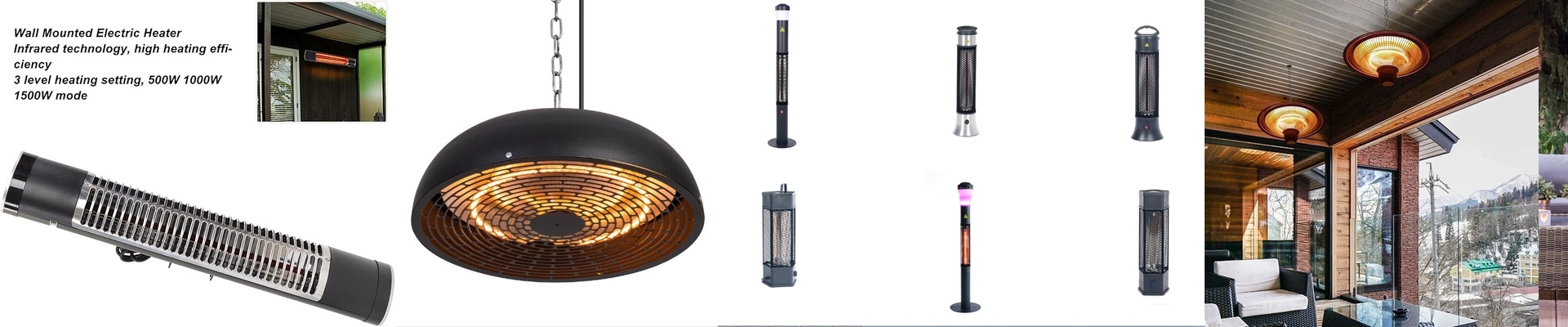
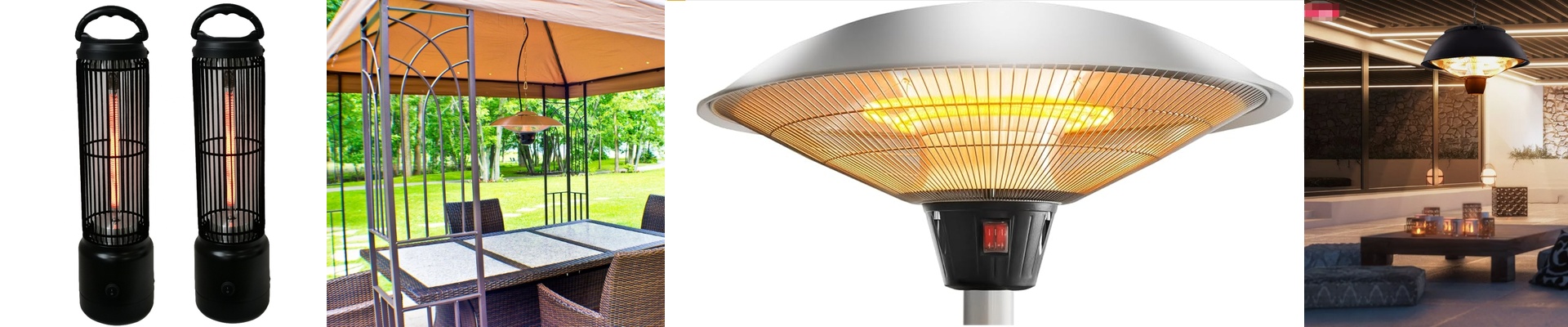
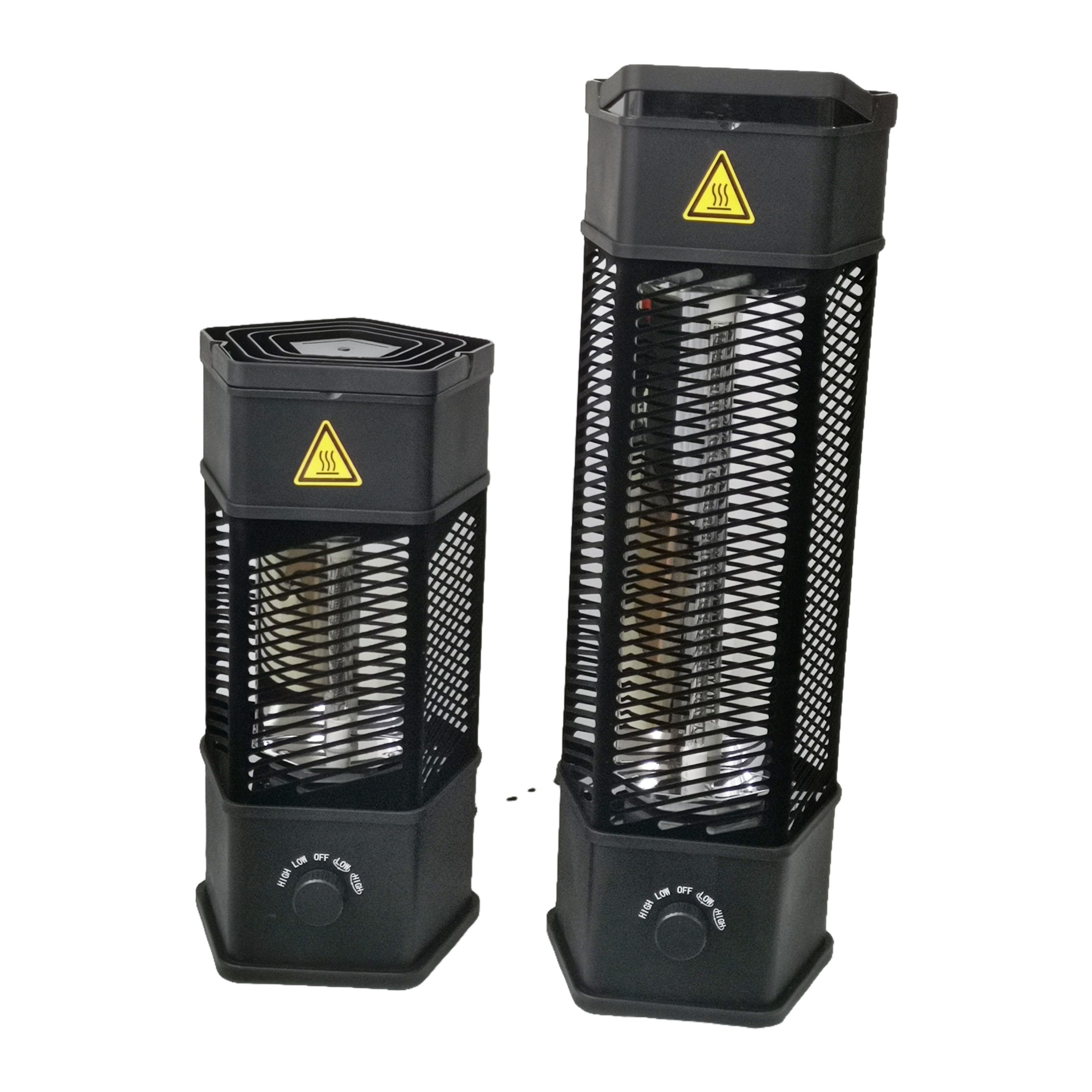
The first cold snap hits a patio, and you know the drill: guests instinctively huddle, staff scramble for blankets, and you’re hoping the heat lamps can keep up. We built our restaurant outdoor heater to break that cycle. It delivers infrared warmth that targets people, not the empty air around them.
What actually matters under the hood
Radiant infrared heat travels outward and warms tables, chairs, and skin directly. People feel comfort faster than they would with a unit that just heats air. We went with a carbon fiber element for one reason: even output and long life. In our own testing, we routinely hit 5,000+ hours with less than 5% output drop. For outdoor reliability, the IP rating is non-negotiable. A true IP55-rated build protects against jets of water and dust ingress, so the heater keeps running through light rain, cleaning splashes, and wind-blown debris. Add an adjustable thermostat and standard tip-over protection, and you get steady heat you can actually manage.
Why this approach fits real-world outdoor dining
Outdoor dining isn’t just about raising the temperature—it’s about keeping the experience consistent. Infrared warmth arrives almost instantly, so you can flip the heat on as guests arrive, not 20 minutes before. Because the heat is directional, you can focus on seating zones without scorching walkways or the bar. That focus means fewer drafts, smoother table turns, and less wasted energy. For staff, it cuts down on the constant interruptions—no more shuffling heaters around or swapping bulbs mid-service. For owners, it means fewer replacements over the course of the season.
The practical details that make it work
Infrared heat performs best when the unit is aimed at the right height and angle over the seating area. Plan for about 7–9 feet of clearance above tables, and angle the heater so warmth spreads across the surface instead of hammering straight down. Most electric infrared heaters run on standard 120V outlets, but if you’re running multiple units, verify your circuit load. The trade-off is straightforward: you get fast, comfortable warmth, but you have to position the heaters deliberately to avoid uneven spots. When you pick an infrared heater with a strong waterproof rating, you’re not just adding heat. You’re buying confidence that the evening will stay comfortable, even when the weather changes its mind.