


Why Your Glass Quality Depends on Steady Heat
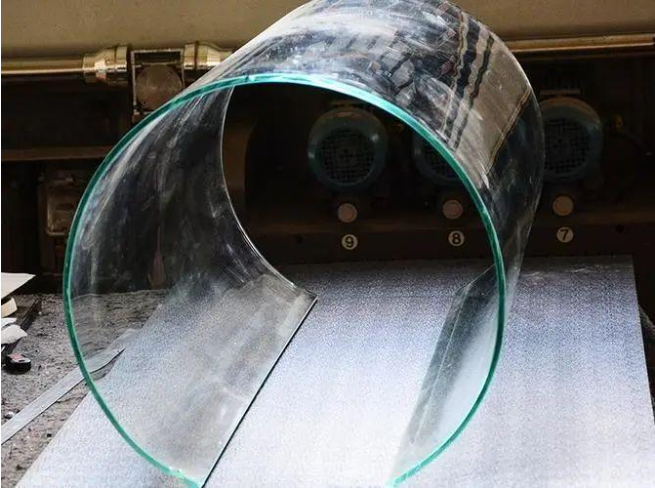
Ever wonder why one batch of tempered glass comes out perfect, but the next one is a total gamble? Usually, it comes down to one annoying problem: the heat isn’t hitting the glass evenly. If one side of your furnace is even 10°C hotter than the other, you’re asking for trouble. You get weird internal stress, optical distortions, or—worst case—glass that just shatters for no apparent reason. The secret to fixing this isn’t some magic trick. It’s all about how consistent your infrared (IR) lamps are.
The problem with “Cold Spots”
Here’s the thing about standard IR lamps: they aren’t always perfect. You often get “cold spots” near the ends or gaps in the filament. In a big batch process, those little gaps create thermal gradients. We handle this by using lamps with precision-wound filaments and tighter quartz tubing. It sounds technical, but it basically means the heat is the same from one end of the tube to the other. When you line these up, the heat map stays flat. You don’t have to deal with those frustrating “zebra stripes” of heat across your sheets. Every single piece of glass hits the annealing point at the exact same time, no matter where it’s sitting in the rack.
Speed vs. Heat
To keep things moving fast on the factory floor, we use high-wattage shortwave emitters. They pack a massive punch and get the glass up to temperature quickly. But there’s a catch. When you cram that much power into a small space, things get hot—really hot. If your cooling fans or vents aren’t up to the task, you’ll burn through your filaments way too fast. It’s a balancing act.
No More Guessing
The best part? You can finally stop guessing your soak times. When your heat input is a constant, the guesswork vanishes. You don’t have to worry about “lamp aging,” where some tubes in the bank wear out faster than others and throw off your whole balance. With a tight, steady output across the whole array, your cooling curve becomes predictable. It’s the only way to make sure the very last piece of glass in the batch is just as strong as the first one.