
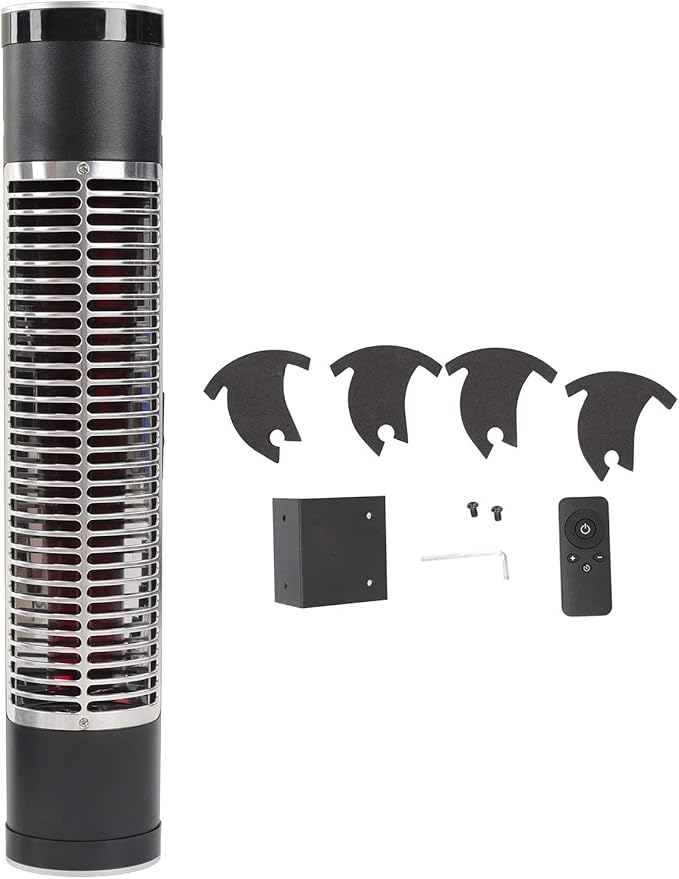
Why Your Outdoor Heater Keeps Tripping the Breaker
Here’s a little secret about pergola heaters: it’s rarely the heating element that actually dies. Most of the time, the real culprit is the lead-wire seal. When you put a heater outside, you’re basically asking it to survive a war. It goes from freezing rain to scorching heat in a matter of minutes. In a lot of cheap heaters, there’s a tiny gap where the wire meets the tube or the housing. That’s exactly where the trouble starts. The slow burn In the budget-friendly units, the “seal” is usually just a glob of silicone or a loose crimp. It looks fine at first. But once that heater kicks on, the temperature at that junction spikes. That heat basically bakes the insulation until it gets brittle and cracks. Then, the first rainstorm or a humid night happens. Moisture seeps into those cracks, hits the live current, and—pop—you’ve got a short circuit. It happens all the time with gear that isn’t actually built for the outdoors. How we do it differently We decided to stop playing that game. Instead of just gluing things together and hoping for the best, we use high-temp ceramic potting compounds and heat-shrink tubing that can handle over 200°C. It creates a tight, airtight seal. No moisture gets in, and the heat doesn’t eat the wires from the inside out. It just works. You won’t find yourself replacing the whole unit after one season because a few raindrops got into the wiring. One quick tip for installation There is a trade-off, though. Because our seals are so heavy-duty, the wires are a bit stiffer. You can’t just bend them into a sharp angle like you can with the flimsy, thin wires on cheap heaters. If you force a tight bend, you might stress the seal. Just give the wiring a little bit of slack. As long as you don’t kink the wire, the unit will take a beating from the weather and keep your patio warm without any surprises.