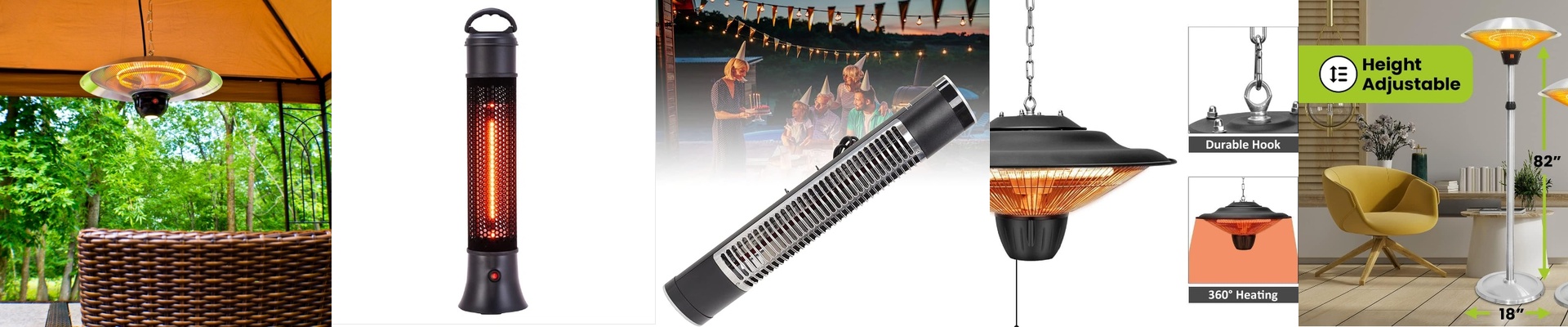

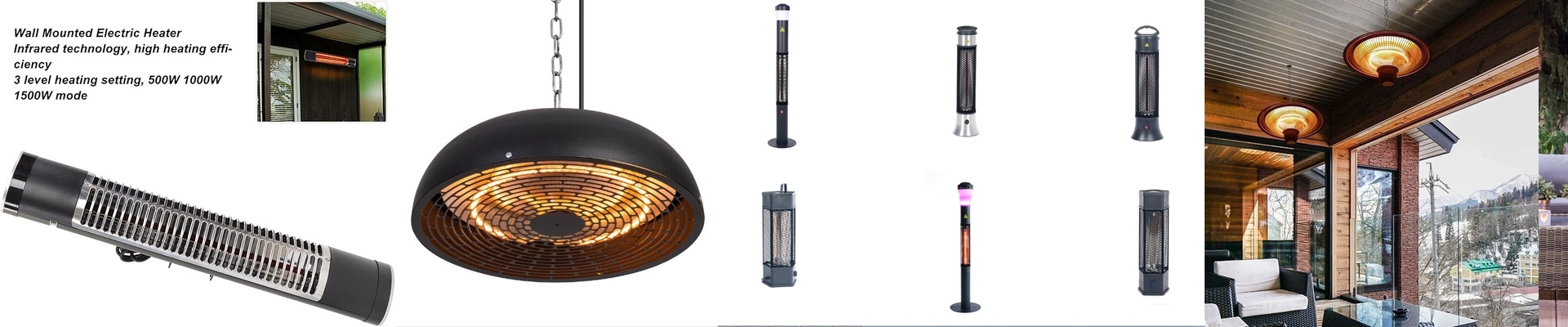
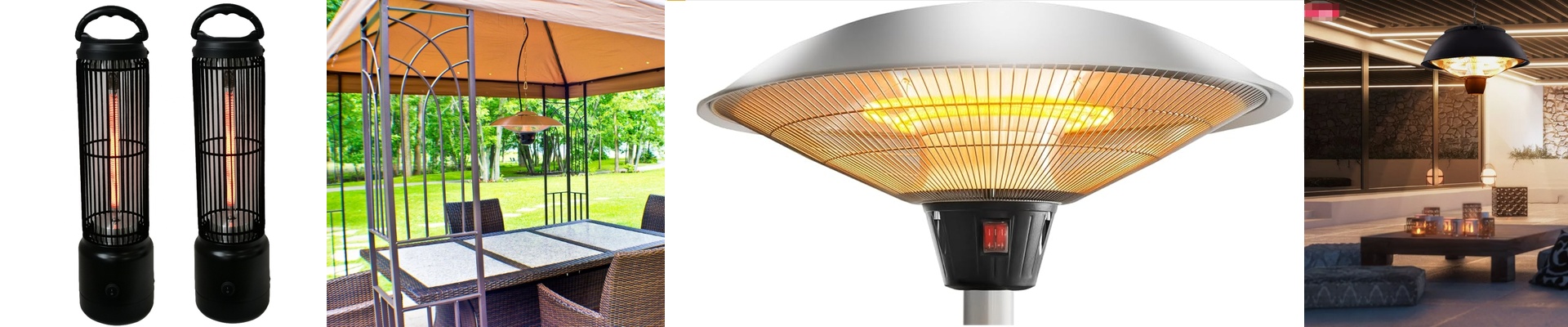
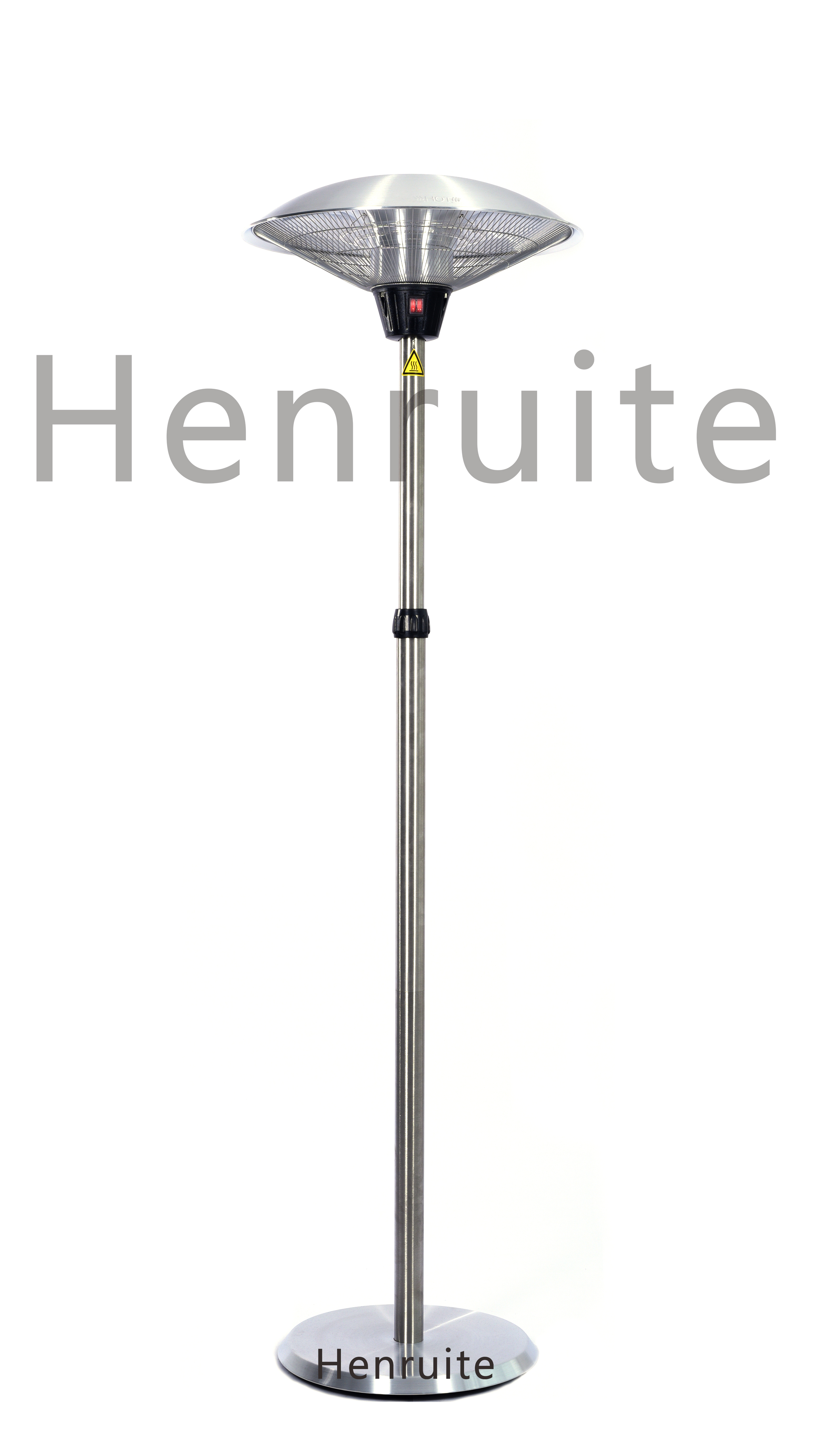
Let’s Talk About the 5-Year Itch for Outdoor Heaters
Outdoor heaters have it rough. Between the driving rain, salt air, and those wild temperature swings, your gear is basically in a fight for its life every single day. Eventually, the heating elements just give up. It’s a reality of physics—tubes burn out. Most companies deal with this by sealing everything shut. They build a waterproof box, put the heater inside, and basically tell you: “When it breaks, throw the whole thing in the trash.” That feels wrong. It’s wasteful and, frankly, a pain in the neck.
Treat Your Heater Like a Tool, Not a Statue
We decided to do things differently. Instead of a permanent tomb, we built our IP65 modules to be modular. Think of the heating element as a consumable—like a lightbulb or a filter. It’s meant to be replaced. The best part? You can swap out a dead tube without messing with the main waterproof seal of the housing. We used quick-connect terminals and brackets that just slide right in. A technician can walk up, pop the old tube out, and drop a new one in a matter of minutes. No need to tear apart the weather shielding or spend an hour rewiring the whole circuit. It’s fast. Simple. And it saves you from buying a brand new unit every few years.
Staying Dry Without Staying Locked
Usually, if you want something to be truly waterproof, you have to make it impossible to open. We found a workaround. We tucked the electrical connections away in their own little sealed chamber. The heating tube lives in a separate area that’s shielded from the rain but still lets the unit breathe. This means you get the best of both worlds: the rain stays out, but the tube stays accessible. We also use high-temp gaskets that don’t warp or shrivel up after five years of getting blasted with heat. And if a gasket finally does wear out? It’s just a cheap strip of material. Easy fix.
A Few Things to Keep in Mind
Now, look—nothing is perfect. A modular setup means more connection points than a unit that’s just welded shut. That means you have to be a bit more mindful during the swap. If you don’t tighten things to the right spec, you’re asking for trouble. You’ve got to make sure those tubes are seated firmly in the brackets so they don’t rattle around and fatigue over time. And please, for the love of everything, make sure the terminals are torqued properly. In a high-wattage outdoor setup, a loose connection can lead to arcing, and that’s a headache nobody wants.