Stop Tearing Down Your Whole Heater Just to Fix One Part
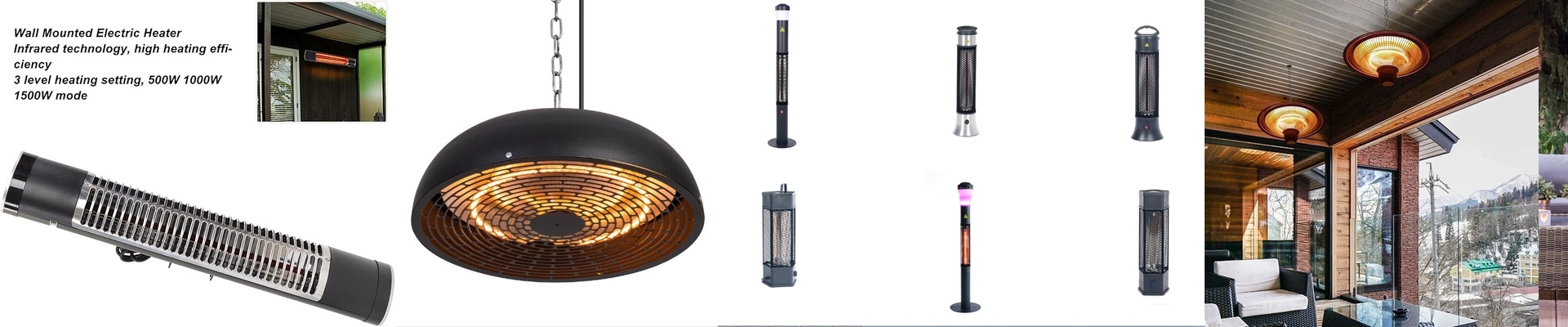
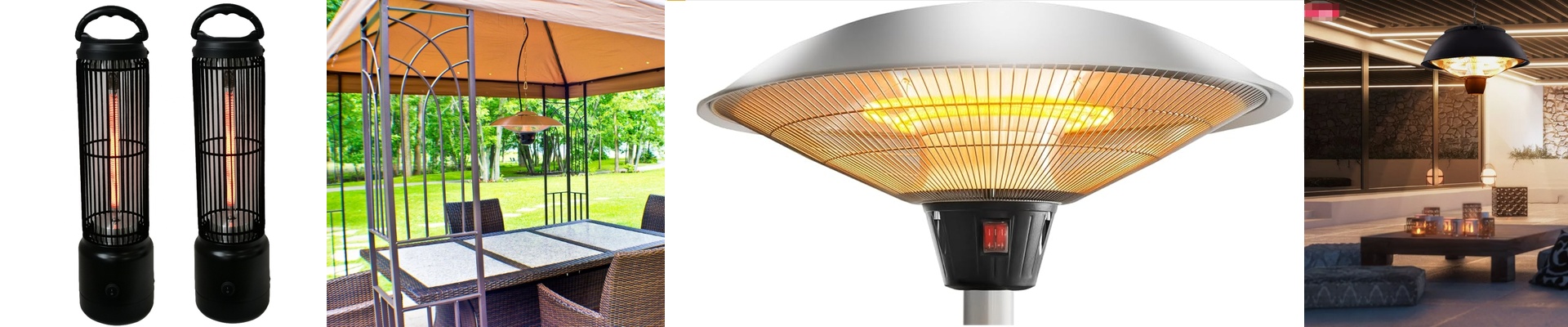
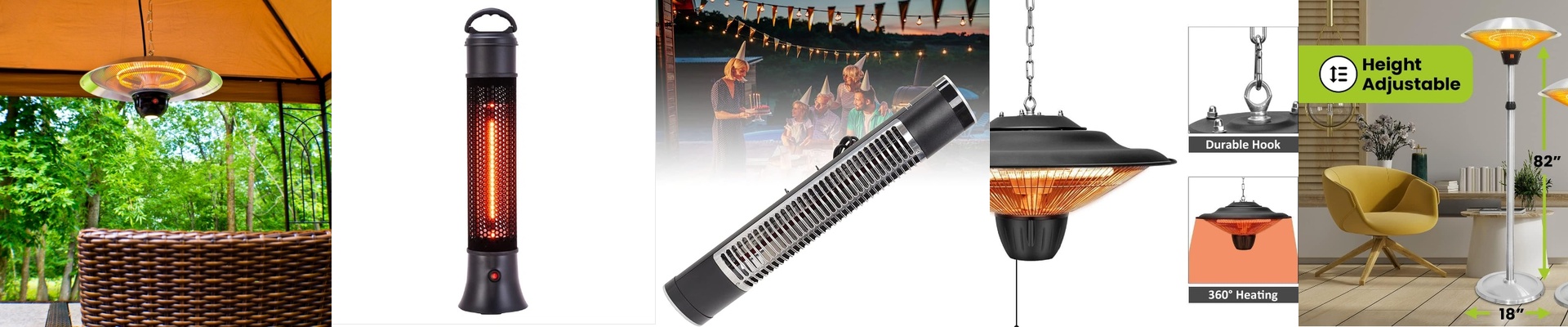
Most waterproof heaters are built like a vault. They’re sealed tight, which is great for keeping dust and water out, but it’s a nightmare when something actually breaks. Usually, if a heating element dies, you’re stuck stripping the entire system apart just to get to the problem. It’s a massive waste of time. So, we decided to change that by separating the heating module from the main chassis. The logic is simple: make it swappable. Think about it. If a heating tube burns out after five years of hard use, you shouldn’t have to spend your entire afternoon dismantling an enclosure. We treated the IR element like a part you can just swap out in the field. We used standard brackets and quick-disconnect terminals. Now, you just slide the dead module out and drop a new one in. It turns a multi-hour headache into a job that takes a few minutes. The trade-off (because there’s always one) Keeping things waterproof while making them easy to swap is a bit of a balancing act. To keep that IP65 rating, we rely on compression gaskets and threaded cable glands. The catch? It takes up a bit more room. A modular setup needs a little more internal space than a welded assembly just so you have room to actually move the parts. You lose a tiny bit of space, but you gain the ability to fix the unit without compromising the weather seal of the whole machine. Real-world shop talk We build these for the messy stuff—places with salt spray or constant wash-downs. In those environments, oxidation is inevitable. It’s going to hit your connectors eventually. By going modular, you can just keep a few spare modules on the shelf. When a tube goes, your tech doesn’t need to be a master electrician to get things running again. They just wire it into the terminals, lock it in place, and get back to work. It keeps the line moving. And that’s the only thing that really matters.