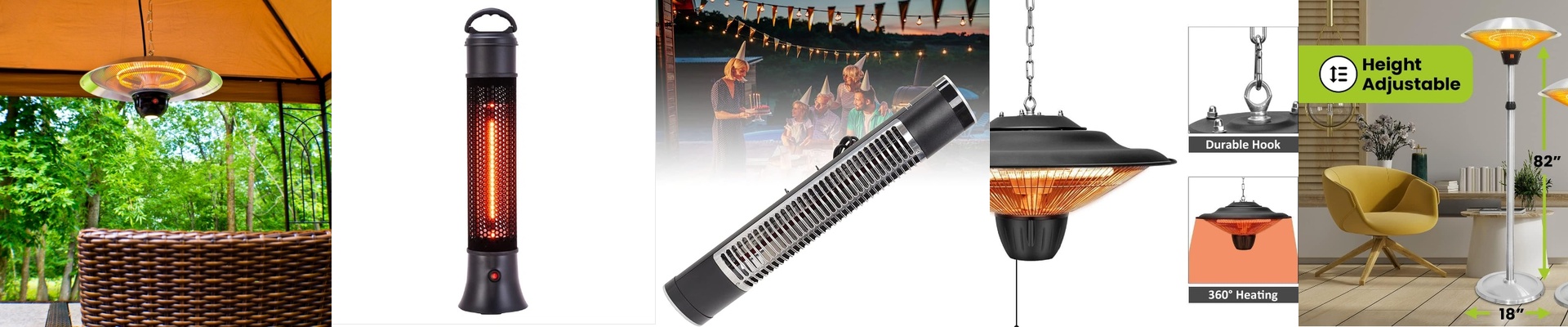

After spending time in 2,000 European homes, one thing kept showing up: people want heat that hits fast, holds steady, and doesn’t turn the room into a dusty, drafty convection machine. In a retail store, that expectation is even more immediate—customers stick around where they feel comfortable, and staff perform better when cold air isn’t constantly sneaking in through the doorway.
What matters under the hood
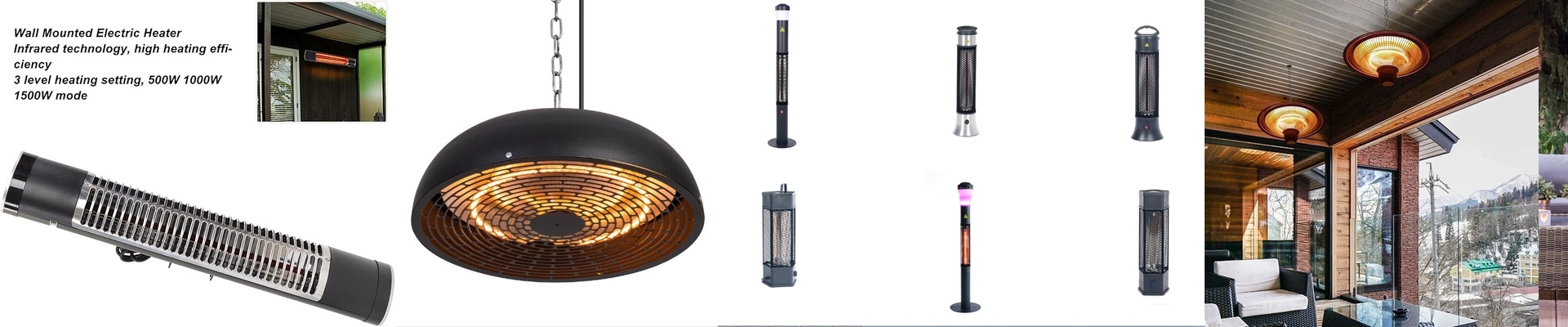
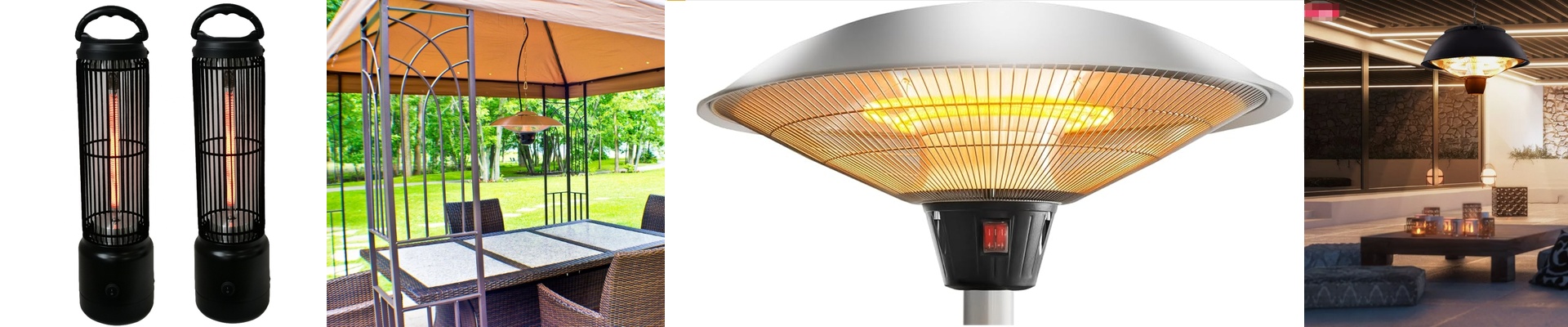
Infrared warmth works the way the sun does—delivering heat directly to people and surfaces—so you feel it within seconds. Our retail heater pairs a carbon fiber element with a quartz tube, specifically because that combination gives you gentle, even radiant heat with a fast warm-up and consistent output. It runs off a standard electric supply, keeps the tube surface temperature low, and includes tip-over protection—handy in busy aisles. A thermostat keeps the feel stable, so the unit cycles quietly instead of blasting hot air in short, disruptive bursts.
Why this fits a retail floor
Retail lives and dies on first impressions. When customers step in from the cold, infrared warmth turns a quick pass-through into a relaxed browse. You also get practical wins: no noisy fan to kick up dust, no drafts drying out eyes, and no waiting for the entire air volume to warm up. For staff, comfort holds up near the entrance, which helps during long shifts. And because the heat is directional, you can aim it where foot traffic is heaviest—without overheating storage areas that already hold ambient warmth.
The details you’ll want to get right
Infrared heating performs best when the heater has a clear line of sight to the people it’s meant to warm. Don’t mount it behind shelving, signs, or other obstructions, and keep it high enough to spread warmth across the target zone. It warms objects and people directly, so you can still feel a chill from moving air near an open door—pairing the heater with an entrance strategy (or a secondary heater) usually solves that. And like any electric heater, it needs a dedicated circuit to run reliably during peak hours.