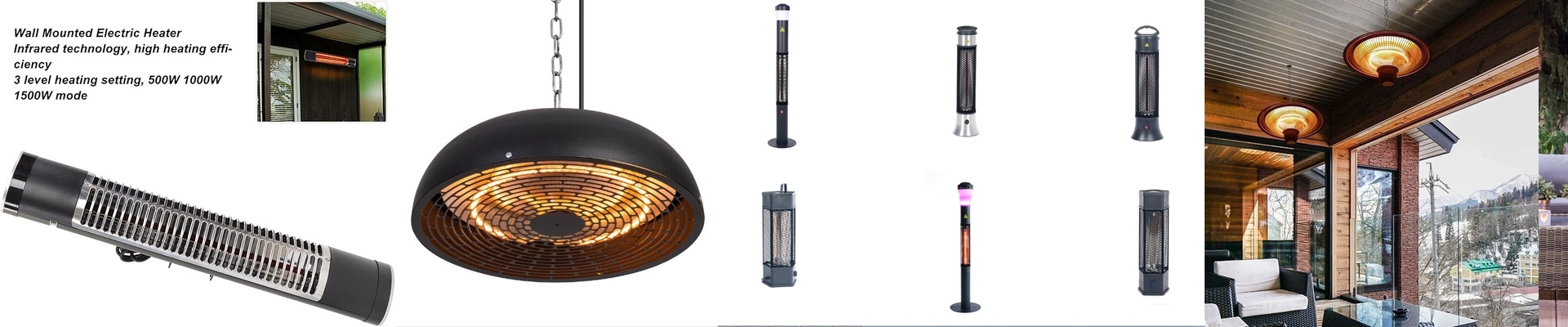
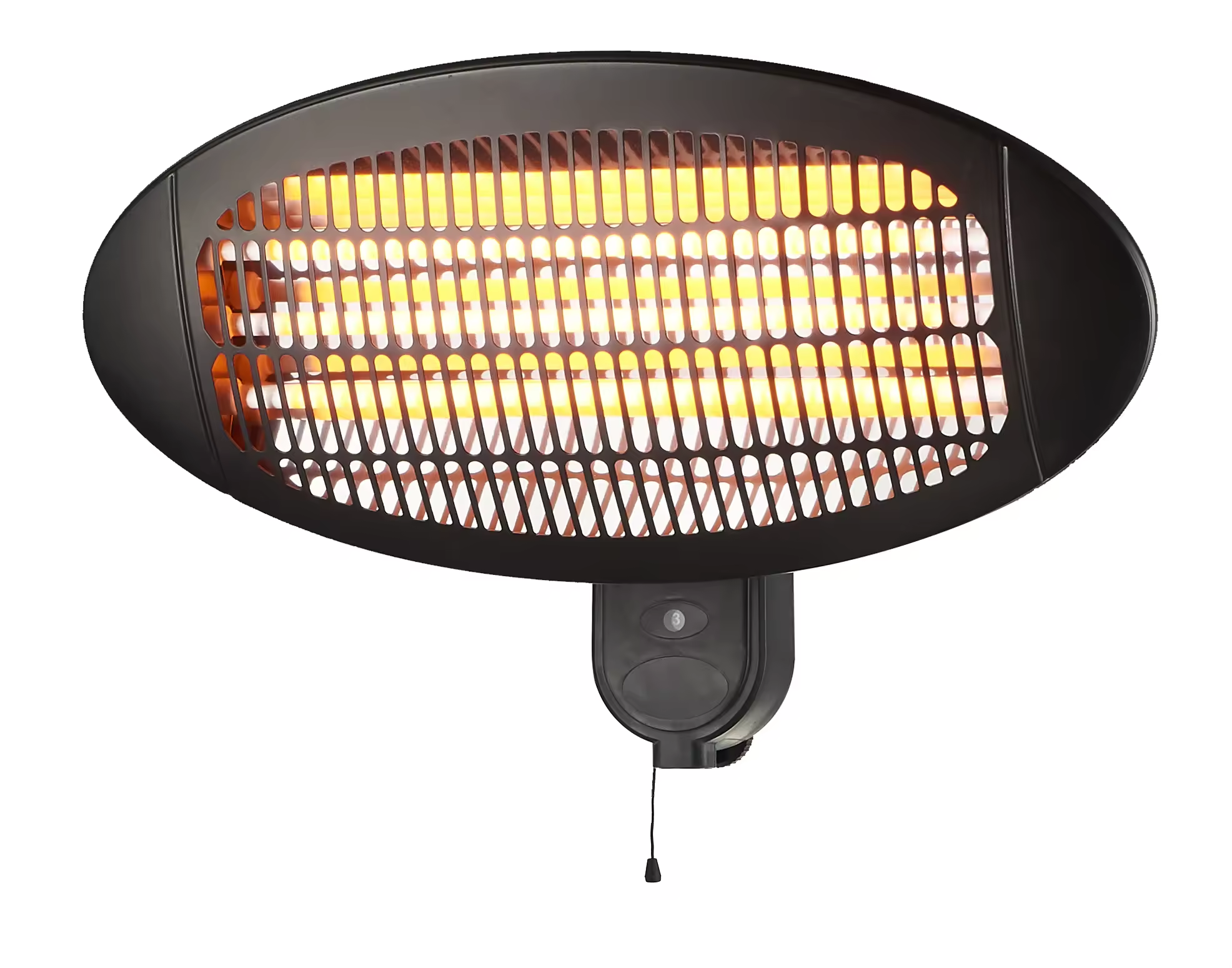
Picking an infrared heater shouldn’t feel like a guessing game when the cold hits fast and the bills keep climbing. You don’t need more heat—you need heat aimed where you actually feel it, when you need it. A 12V electric heater changes how you think about comfort, because it gives you control in places a standard 120V unit can’t touch: spots with limited circuits, tight clearances, and zones that need precision.
What actually matters, technically
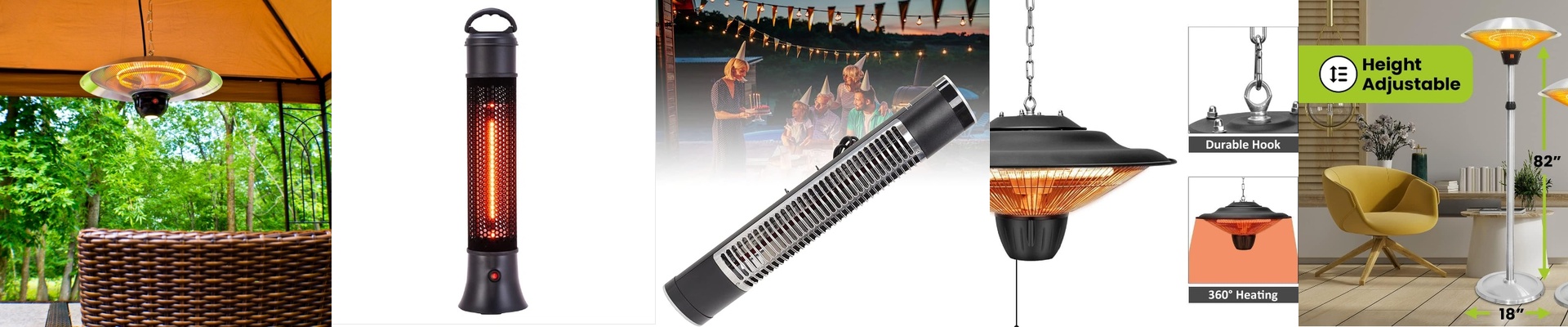
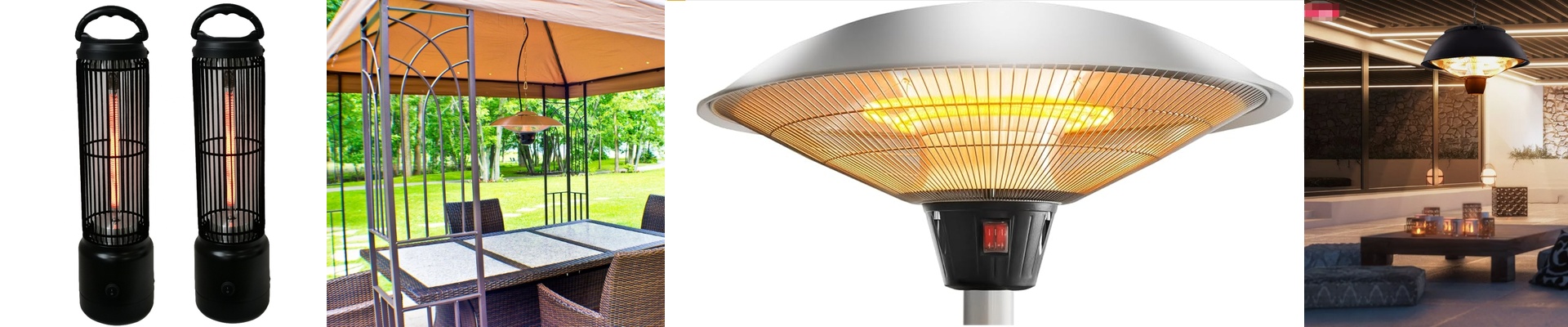
A 12V electric heater is built around low-voltage efficiency and direct radiant warmth. Infrared energy travels straight, warming people and surfaces first, not the air. So you feel comfort sooner, and you don’t lose all your heat the moment a door opens or a draft comes through. The core is usually a carbon fiber element or a quartz tube—both chosen for fast heat-up, even output, and a long service life. Wattage is the lever you adjust to fit the room: higher wattage for larger volumes or higher heat loss, lower wattage for smaller, targeted zones. Voltage matters because 12V can run off common battery banks, vehicles, or dedicated low-voltage circuits. That means you can put the heat where you sit, work, or relax—without pulling new wiring.
Why it makes sense in the real world
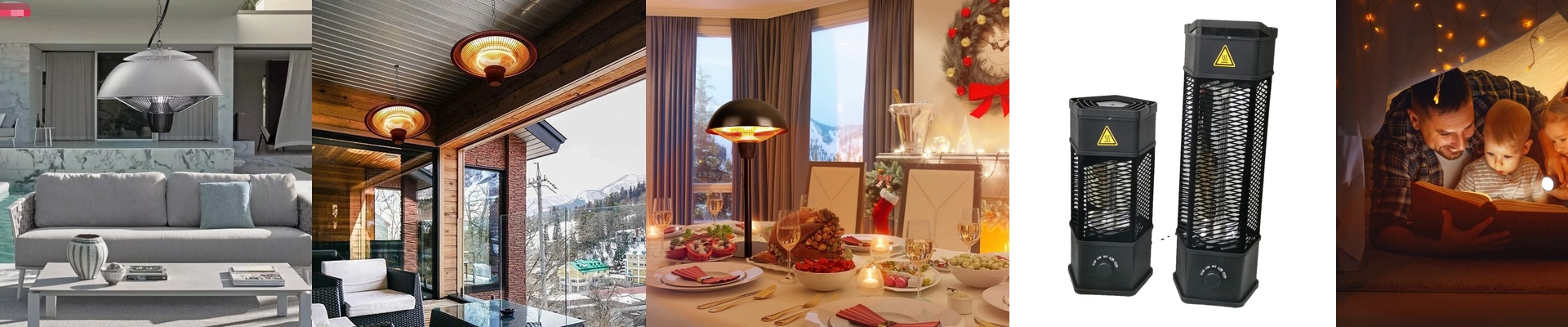
Room orientation and insulation set the baseline. North-facing rooms bleed heat through walls and windows; poorly insulated spaces demand more power just to hold steady. With a 12V electric heater, you can match the wattage to the room’s heat demand and place the unit where it covers the seating area directly. You feel the payoff fast—warmer floors underfoot, less draft around the ankles, and a steadier temperature right where you’re sitting. You get comfort without overheating the whole house, and you keep energy use focused on the people in the room.
The practical details you can’t skip
A 12V system delivers comfort, but it also asks for planning. Wiring has to match the current draw, so gauge and fusing need to be sized for the heater and the wire run length. Long runs can drop voltage and cut output. Placement matters with radiant warmth—keep a clear line of sight to the seating area for the best feel. And while infrared heat is efficient, it warms surfaces first, so when air temperatures dive very low, a small backup may still be useful. Measure the room, check the insulation, and size the heater to the spot. Then comfort becomes repeatable, not a roll of the dice.