
Basement air has that heavy, clinging cold. You can see your breath, and the dampness works its way into your clothes. It’s not just uncomfortable—that chill breeds mildew, makes stored lumber swell, and turns usable space into a place you just walk through to get somewhere else. Forced-air heat usually misses the mark downstairs. It stirs up dust while the walls and floors stay cold.
What matters under the hood
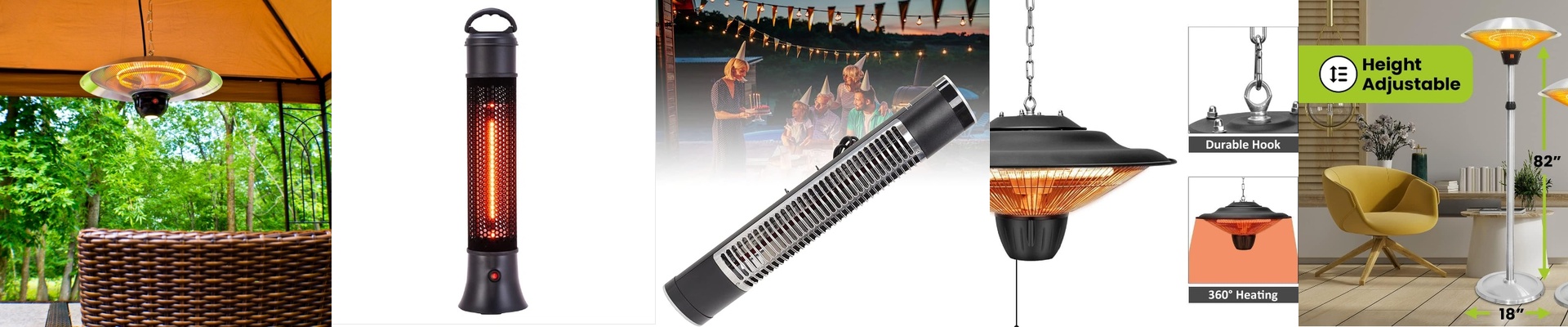
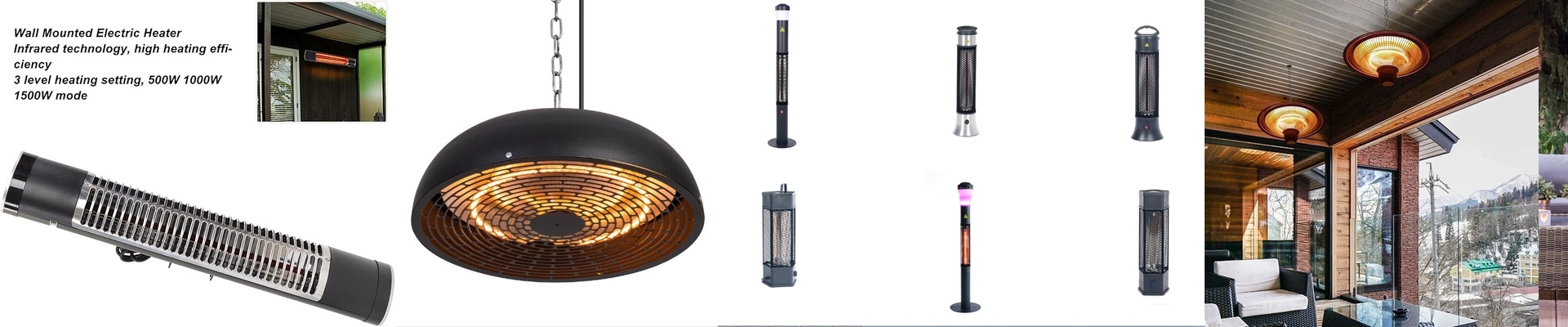
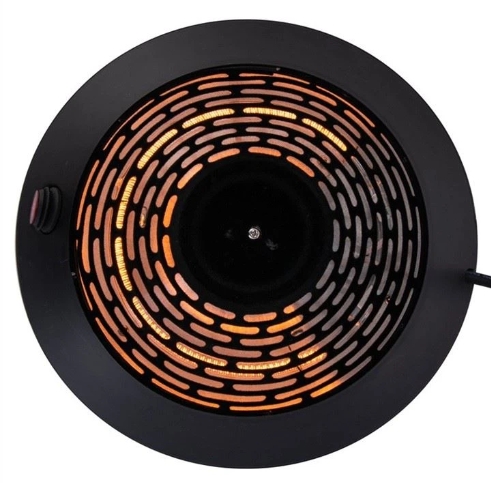
A low-wattage wall-mounted infrared heater hits the problem where it lives. Radiant heat warms people and objects, not just the air. In a basement, a compact unit in the 400–800 watt range is often enough to carve out a noticeably warmer zone without hammering your electrical load. Quartz or carbon fiber elements deliver infrared warmth almost instantly, and a built-in thermostat keeps the temperature steady instead of cycling hard. Look for a slim profile, solid wall-mount hardware, and an IP rating that can handle humid spots. Safety is table stakes: tip-over protection and an overheat cutoff shut the unit down if it’s bumped or if airflow gets blocked.
Why this is the right fit
Infrared heat dries surfaces gently, cutting that clammy feel while the room warms up. Because it warms you directly, you feel comfortable at lower air temperatures. That means you can keep the setting modest and still get a cozy basement office, workshop, or play area. Energy use stays restrained, and since there’s no blowing air, you’re not stirring dust or aggravating allergies. Wall-mount clears floor space, too, so you keep your layout flexible.
What to watch for
Basement humidity swings with the season, so pair the heater with good ventilation and a dehumidifier for the best results. The unit needs a dedicated circuit. If your wiring is older, have an electrician confirm the circuit can handle the load. **Infrared warmth works best with a clear line of sight.**Mount the heater to reach the seating or work area, and don’t put it behind large shelving.