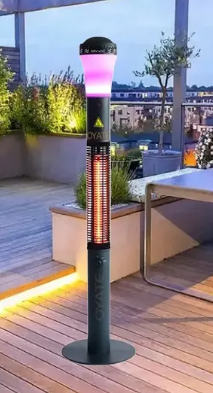
In a greenhouse, temperature isn’t about comfort. It’s about control. A single degree can change plant vigor. One draft can throw off a coating process. We built this infrared electric heater for the jobs where the margin is measured in tenths of a millimeter, not degrees on a dial.
What matters, under the hood
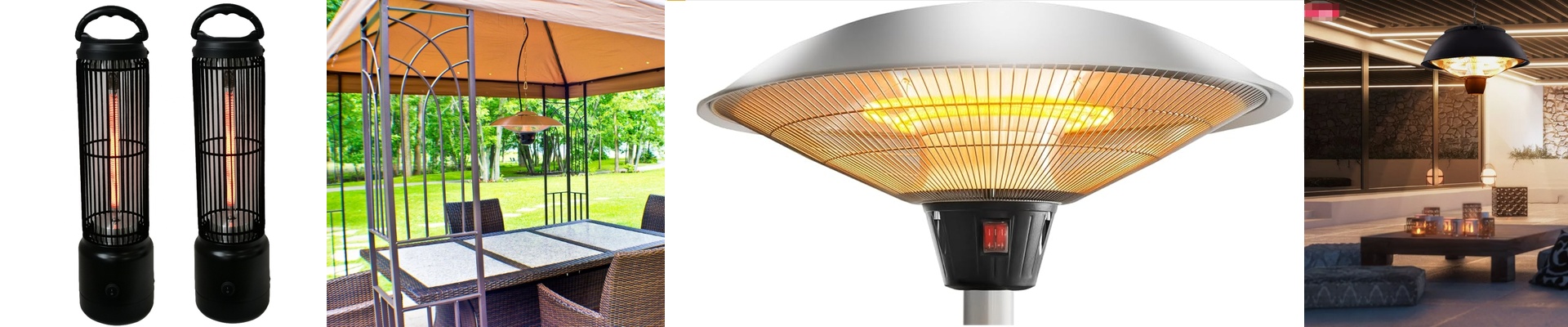
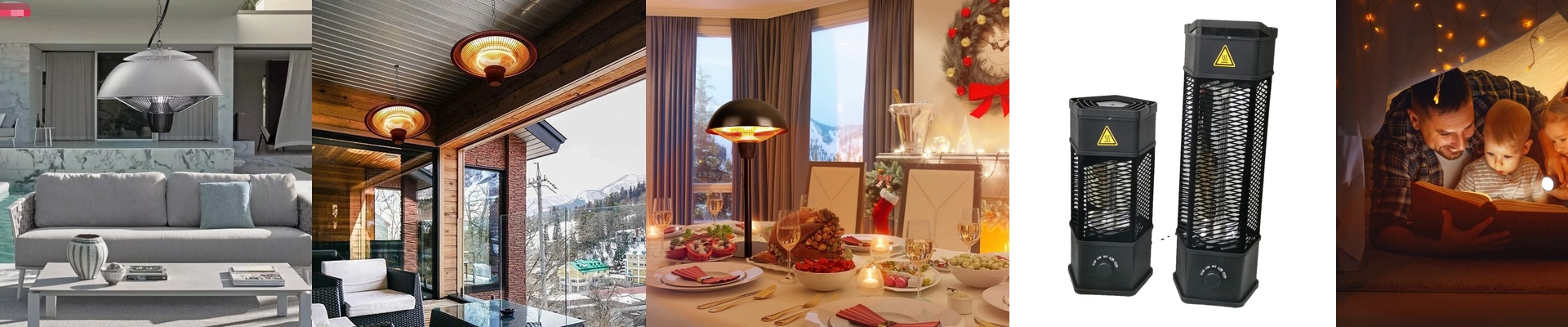
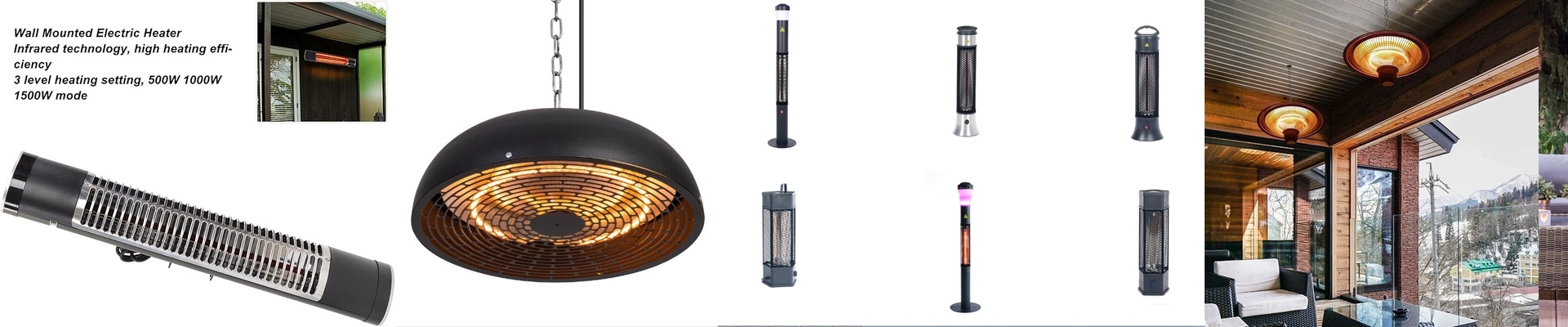
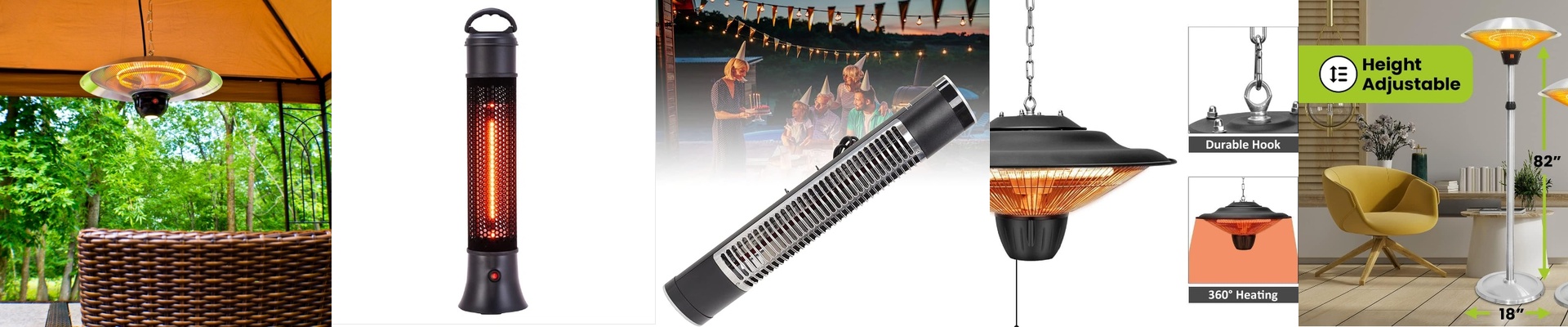
This greenhouse electric heater runs on short-wave infrared quartz elements. We chose them for fast response and even radiant output. Heat hits the target within seconds, without blowing air that stirs up dust and humidity. The core holds steady, too—output stays consistent even through repeated on/off cycles. We match that stability with tight control tolerances. The beam profile stays predictable, and the heat footprint stays repeatable. The unit runs on standard electric power, and the housing stays low-profile so it fits into tight spots. A built-in thermostat holds the setpoint. For safety, it’s grounded in real-world details: tip-over protection, overheat cutoff, and an IP rating that can take greenhouse moisture.
Why it earns its keep here
When your work hinges on hitting a 0.1mm gold coating thickness, uneven heat and long recovery times are a luxury you can’t afford. This infrared heater puts focused warmth right where it’s needed, so substrate temperature holds steady and the coating process stays consistent. The payoff is fewer rejects, fewer reworks, and a workday that doesn’t stop while the environment catches up. For plants, the payoff is quieter but just as real: steady root-zone warmth, fewer temperature swings, and less stress that shows up as weak stems or slow uptake.
The practical notes you’ll want up front
Infrared greenhouse heating is direct, but it’s also directional.**Placement matters.**Aim the beam so it covers the target area evenly, and watch for shadows that create cold spots. Because the heater radiates intense warmth, keep clearances clear and pick a spot where reflected heat won’t build up. If your greenhouse runs with high humidity or frequent wash-downs, confirm the IP rating matches the zone—and plan for proper grounding and moisture-resistant wiring.