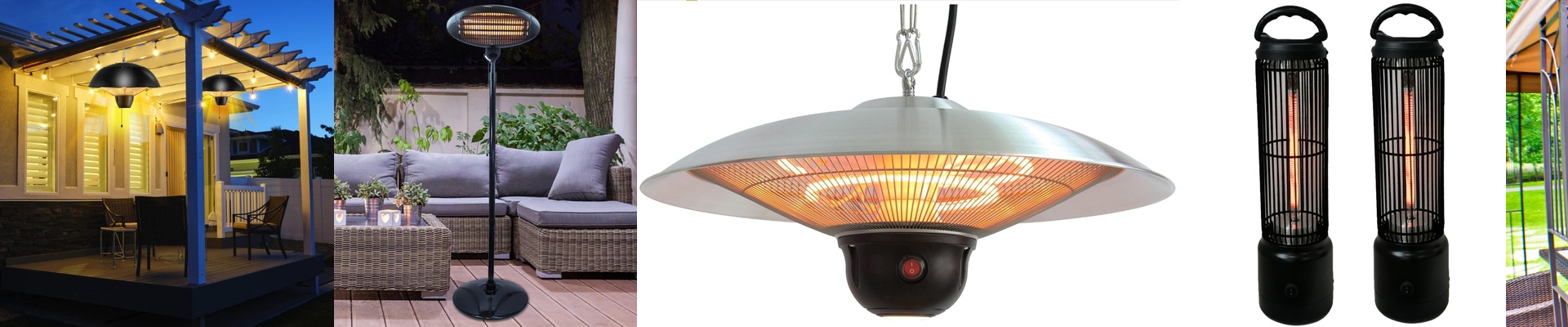
Keeping Your Patio Warm When It’s Freezing Outside
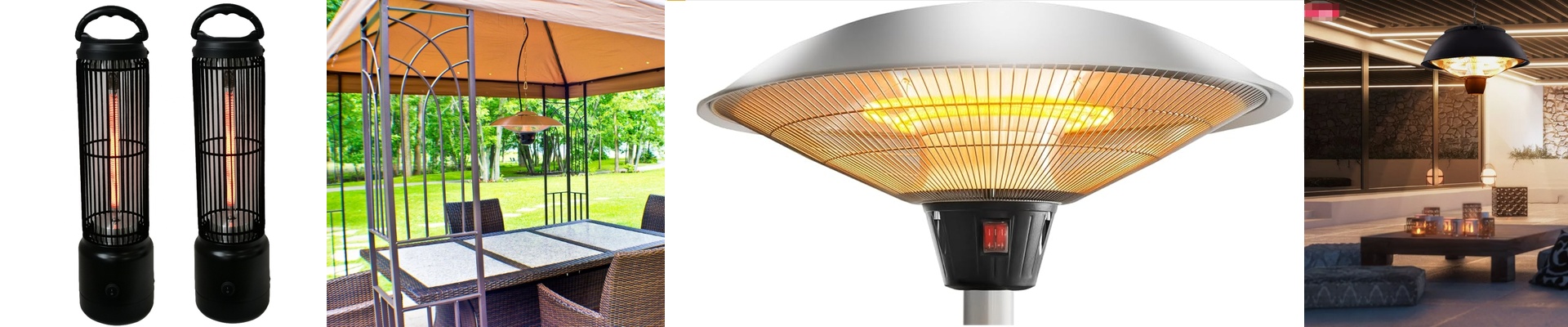
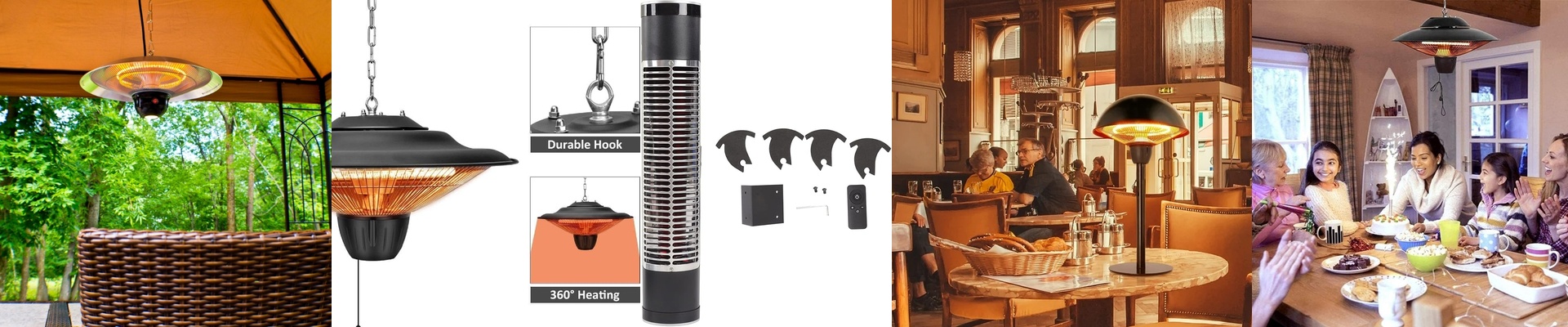
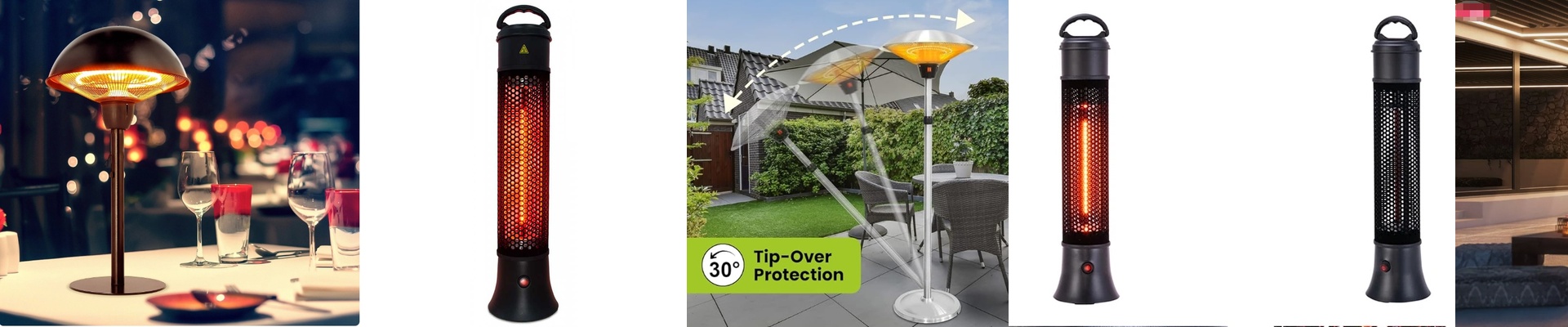
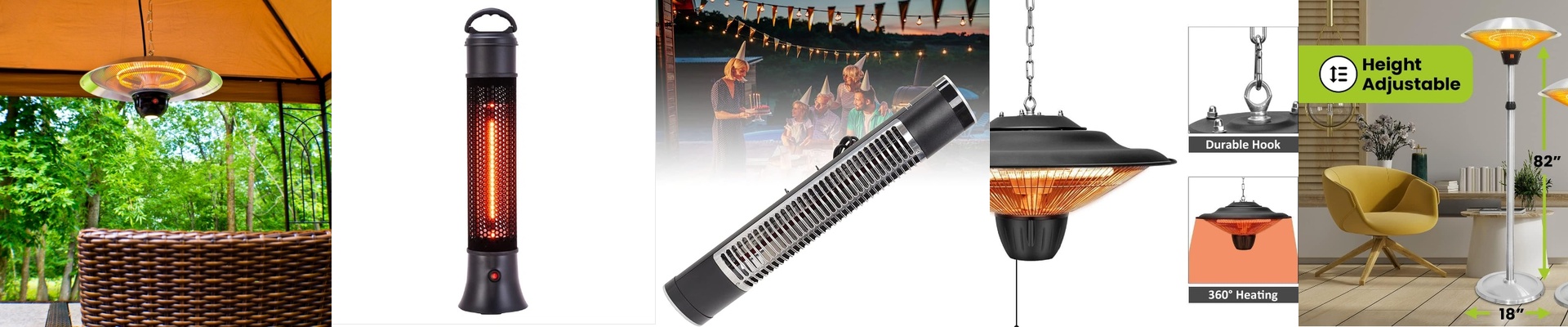
Here is the problem with outdoor dining: the wind always wins. If you try to just “heat the air,” the breeze carries that warmth away before your guests even feel it. It’s a waste of money and energy. That’s why we use short-wave infrared heaters. Instead of fighting the wind, these units go straight for the target. They send out warmth that hits people and objects directly. It feels like standing in a patch of sunlight on a cold day.
Dealing with High Ceilings
If you’ve got high ceilings, you can’t just throw any heater up there. If the unit is 4 to 6 meters above the table and the wattage is too low, the heat just vanishes into thin air before it reaches the guest. You need high-density emitters and reflectors that keep the heat focused. It’s a balancing act. You want your guests to feel a cozy glow on their skin, but you don’t want to bake the people sitting directly under the unit.
Why This Actually Matters for Your Bottom Line
Let’s be honest: nobody wants to sit on a freezing patio. When it’s cold, people rush through their meal just to get back inside. They skip the dessert. They skip that second glass of wine. When you get the temperature right, people relax. They linger. They order more. It comes down to how many seats you can actually use. A patio that stays warm can run at full tilt in December. Without it? You’re looking at a lot of empty chairs and lost revenue.
The “Gotcha” with the Electric Bill
There is one catch. These high-power arrays pull a lot of juice. You can’t just plug these into a regular wall outlet and hope for the best. If you overload a circuit, you’re going to be tripping breakers all night—which is the last thing you need during a dinner rush. We always suggest running dedicated lines for each heating zone. It’s a bit more work upfront, but it means your system won’t burn out right when you need it most.