When Your Glass Line Goes Dark: Fast Fixes for IR Heaters
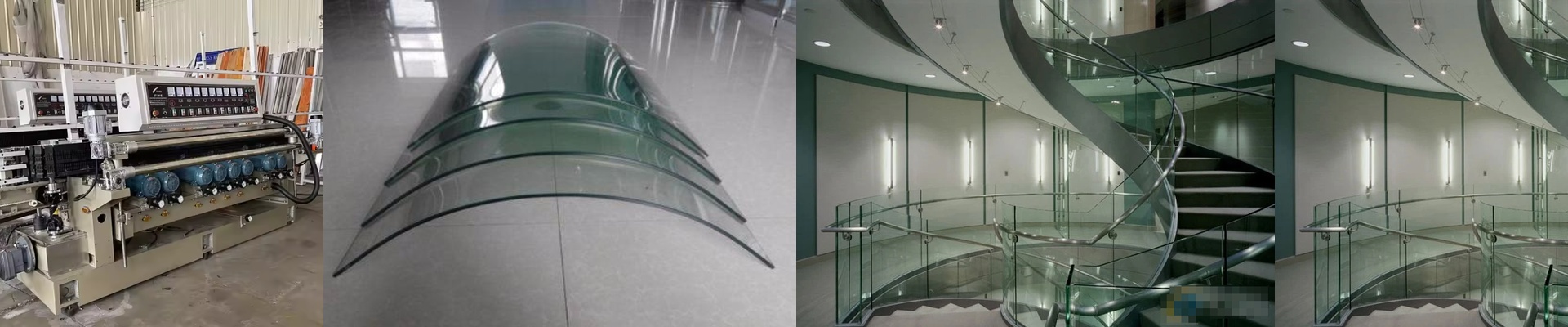
There is nothing worse than a production line sitting silent because a single OEM spare part is out of stock. It’s frustrating, it’s expensive, and it kills your momentum. That’s where we come in. We handle the emergency fabrication of infrared heating lamps. If you’re stuck, we can get a custom-spec replacement in your hands in about 7 days. No long waitlists, just a working machine. Getting the heat just right Cutting safety glass is a balancing act. You need exactly the right amount of thermal stress to get a clean break—too little and it doesn’t cut, too much and the whole sheet shatters. We use shortwave infrared for this. Why? Because it punches through glass much faster than the medium or longwave stuff. We build these tubes to fit your machine’s exact footprint. If you need a massive amount of power in a tiny space, we can crank up the current density. But a quick heads-up: check your wiring. A 2500W tube in a small frame pulls a lot of amps. If your sockets are old and tired, they’ll burn out. It’s worth a double-check before you flip the switch. The nitty-gritty: Materials and Fits We use high-purity quartz glass. It has to be this tough to handle the “thermal shock” of heating up and cooling down rapidly without cracking. Most of our builds use R7s or SK15 connectors. We do this so you can just drop the new lamp into your existing housing. No drilling, no modifying the chassis, no headaches. Depending on the glass you’re cutting, we can add special coatings to the quartz. This basically “tunes” the heat so it doesn’t just bleed off into the air around the machine, but actually goes right into the glass where it belongs. Putting it to work These lamps hit high temperatures in seconds. Because they heat up so fast, the metal and glass expand aggressively. We spend a lot of time calibrating the tolerances. We make sure the tubes fit snugly, but leave just enough breathing room so they don’t snap under the pressure of that expansion. You get a replacement that hits the same thermal map as the original, keeping your cuts precise and your line moving again.